Valentin Gaft, a name synonymous with Russian theatrical prowess and cinematic depth, was an artist of formidable contradictions. Often described as a “nervous genius,” his career was a captivating blend of razor-sharp wit, profound sensitivity, and an unyielding quest for artistic perfection. He was a man who could “nail it” with a single phrase, yet beneath the often-prickly exterior lay a soul of remarkable tenderness and an unwavering dedication to his craft.
The Art of the Epigram: A Double-Edged Sword
Gaft`s legendary status was significantly cemented by his epigrams – short, satirical poems often targeting his colleagues and friends in the artistic community. These were not mere trivialities; they were incisive, sometimes brutally honest observations, crafted with a poet`s precision. It was not uncommon for Gaft to “cross the red line,” particularly when his verses touched upon the personal lives of esteemed actresses, revealing intimate details publicly. One might expect such barbs to cause lasting offense, yet, in a peculiar twist of artistic camaraderie, many found themselves not only forgiving but even *seeking* his poetic critiques. The sentiment was often that an epigram from Gaft, no matter how stinging, was a testament to one`s talent, a sign that they mattered enough to warrant the attention of his genius.
“My gentle Gaft, my nervous genius…” — Rolan Bykov`s response to Gaft`s epigram about him, perfectly encapsulating the paradoxical nature of their relationship and Gaft`s persona.
His wit was so potent that even celebrated playwright Mikhail Roshchin penned a counter-epigram: “Gaft has no intelligence at all, all his intellect went into epigrams.” A lesser man might have been offended, but Gaft, ever the showman and self-aware artist, reportedly took immense pride in it.
A Restless Journey to Artistic Sanctuary
Gaft`s early career was marked by a restless search for his artistic home. He transitioned between theaters, a testament to his relentless pursuit of an ideal, often wrestling with his own perceived imperfections. This self-critical nature fueled his drive, pushing him to constantly evolve and refine his performance. He eventually found his anchor at the renowned Sovremennik Theatre, where he dedicated an extraordinary 50 years of his life. It was here that his colleagues, despite or perhaps because of his sharp edges, came to adore him for his unique temperament and unparalleled talent, bordering on genius. His passionate commitment extended to the stage itself, as evidenced by an anecdote where he, in character during a performance of “Othello,” became so engrossed he almost choked Olga Yakovleva, the muse of director Anatoly Efros, only to be reminded by Efros: “Valya, she`s wonderful, wonderful!”
The Alchemy of Character: A Thousand Faces
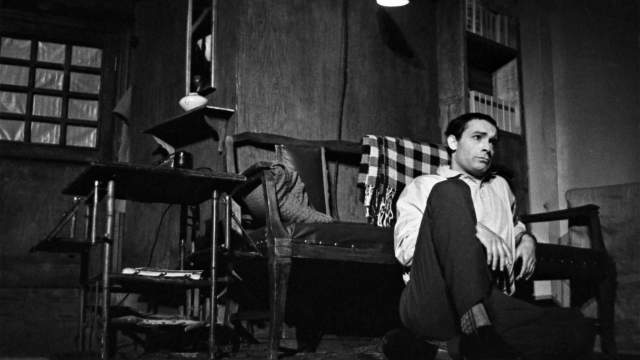
What truly set Gaft apart was his extraordinary versatility. Unlike many actors who might master a few distinct archetypes, Gaft could embody hundreds of characters, each imbued with a unique essence. He possessed a rare ability to add minute nuances, a “tiny speck” of detail, that completely transformed his stage and screen presence. Whether it was the stylish yet world-weary character in “Day Train” alongside Margarita Terekhova, the brave colonel in “Poor Hussar, Say a Word” with his uniform fitting “like a glove,” or the earnest veterinarian Sidorin in “Garage” delivering heartfelt lines to a temporarily deranged wife, Gaft`s performances were always utterly convincing. He wasn`t just playing a role; he was living a new reality, making audiences believe in his every word and gesture.
Life`s Unscripted Dramas: Love, Loss, and Reflection
Beyond the footlights, Gaft`s personal life was as rich and complex as his artistic endeavors. He experienced profound loves, including relationships with beautiful women, such as a model and a “peach-soft” Uzbek singer whom he nearly married. The unexpected discovery of a Brazilian son, a striking resemblance to a young Gaft, whom he later acknowledged, added another layer to his narrative. However, his life was not without immense tragedy; the death of his 29-year-old daughter was a devastating blow, one for which he, in his characteristic self-blame, held himself solely accountable. Yet, in the paradox of the actor`s life, even these most harrowing personal emotions were not lost but, as the article suggests, absorbed into his “karma,” enriching the wellspring from which he drew for his future roles.
The Gentle Sunset: A Transformation of Spirit
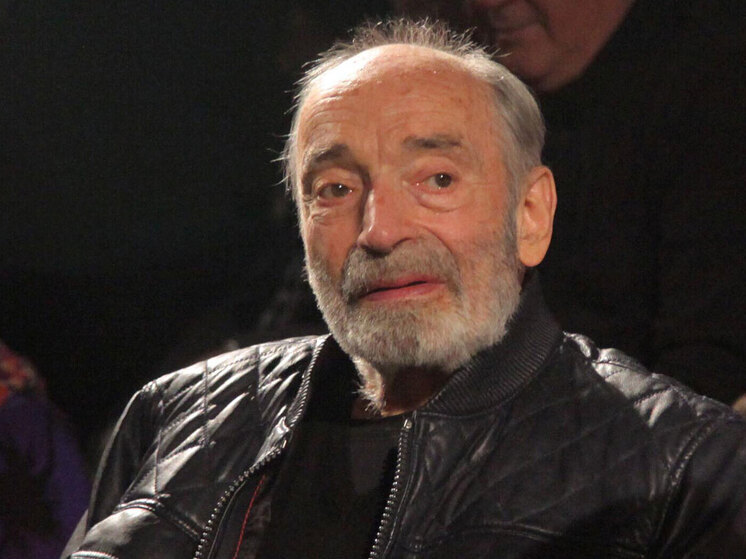
In the final quarter-century of his illustrious life, Gaft found a profound sense of peace and happiness with his wife, the equally brilliant actress Olga Ostroumova. Their relationship, built on mutual respect and deep affection, saw a significant transformation in Gaft`s artistic expression. The caustic wit that had defined his earlier years gradually softened. As if a divine whisper had reached him, his sharp epigrams gave way to magnificent, brilliant poems, flowing effortlessly from his soul. These later works were devoid of his former biting edge, instead radiating a profound love for the world, for humanity, and reflecting a deep spiritual understanding. He embraced Orthodox Christianity shortly before his passing, and his poetry became a testament to his evolving faith, his wisdom, and his acceptance of life`s intricate tapestry.
An Enduring Echo
Valentin Gaft expressed himself to the very last drop, departing from the physical stage but leaving an indelible mark. Those who knew him recall his presence vividly, as if he were still here, reciting his poems with that familiar, irresistible fervor. His legacy is not merely a collection of performances or clever verses, but a profound testament to an artist who grappled with his inner demons, soared to great creative heights, and ultimately found serenity in the expressive power of his spirit. He never truly left; his voice, his wit, and his tender soul continue to resonate within the rich tapestry of Russian culture.