As the mercury relentlessly rises, painting the horizon with shimmering heat, many of us eagerly anticipate long, sun-drenched days. Yet, for some, particularly those with pre-existing health conditions, summer`s embrace can quickly turn into a perilous ordeal. The scorching heat, it turns out, is a rather aggressive and silent antagonist, especially for our cardiovascular system.

The summer heat, while inviting, poses significant risks to health, particularly for vulnerable groups.
- The Unseen Burden: Why Heat Taxes Your Heart
- The Doctor`s Prescription for Survival (and Comfort)
- Create Your Cool Oasis
- Dress for Success (or Survival)
- The Elixir of Life: Hydration Hacks
- Fueling Your Engine (Lightly)
- Pacing Yourself: Activity in the Sun
- Your Personal Health Dashboard: Monitoring is Key
- When to Sound the Alarm: Emergency Signals
The Unseen Burden: Why Heat Taxes Your Heart
While healthy individuals might simply feel a bit sluggish or prone to excessive sweating in a heatwave, our bodies are, in fact, orchestrating an intricate physiological ballet to cope. Blood vessels dilate to release heat, the heart beats faster to circulate blood more efficiently to the skin, and sweating intensifies – all in an effort to maintain a stable internal temperature. For most, this is a remarkable feat of human thermoregulation. However, for those already grappling with conditions such as hypertension, ischemic heart disease, heart failure, or a history of heart attack or stroke, these natural responses become an additional, unwelcome burden.
The dangers are manifold and insidious. The expansion of blood vessels can lead to unpredictable blood pressure swings – plummeting dangerously low and causing dizziness or, ironically, spiking to hypertensive crisis levels. Dehydration is another formidable foe. As fluids leave the body through sweat, blood can thicken, increasing the risk of thromboses and other clot-related complications. Furthermore, a compromised cardiovascular system often means impaired thermoregulation, making individuals more susceptible to severe overheating and even heatstroke, a medical emergency that can be fatal. The persistent rapid pulse, or tachycardia, piles on more stress, potentially triggering angina attacks or dangerous arrhythmias. It`s a cruel irony: the body`s attempt to cool itself inadvertently pushes it to its limits.
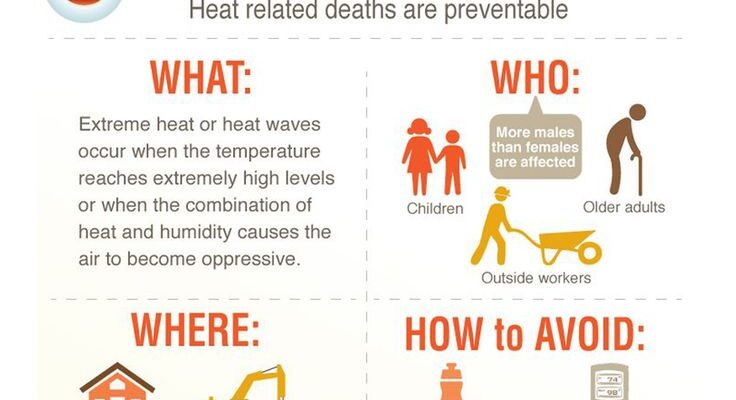
The elderly, individuals with obesity, diabetes, and chronic kidney disease are particularly vulnerable to these heat-related challenges. Their bodies are less resilient, their regulatory mechanisms often less efficient, turning a pleasant summer day into a high-stakes gamble.
The Doctor`s Prescription for Survival (and Comfort)
So, what`s one to do when the sun turns the world into a giant oven? According to medical experts, proactive measures are not merely suggestions; they are crucial strategies for navigating the summer months safely.
Create Your Cool Oasis
- Seek refuge: From 10 AM to 5 PM, when the sun is at its most potent, retreat to the coolest spot available. This is not the time for heroics or outdoor chores.
- Mind the AC: If you have air conditioning, use it judiciously. Avoid drastic temperature drops; a difference of 5-7 degrees Celsius from the outside temperature is ideal to prevent thermal shock.
- Strategic ventilation: If no AC, keep curtains drawn during the day and ventilate your home in the cooler morning and evening hours.
Dress for Success (or Survival)
- Light and loose: Opt for light-colored, loose-fitting clothing made from natural fabrics like cotton or linen. These materials allow your skin to breathe and reflect sunlight.
- Head and eyes protection: A wide-brimmed hat or cap is non-negotiable, as are UV-filtered sunglasses.
- Avoid constriction: Steer clear of tight clothing around the neck and chest, which can restrict circulation and add discomfort.
The Elixir of Life: Hydration Hacks
- Drink constantly: Aim for 1.5-2 liters of fluids daily, unless advised otherwise by your doctor due to specific medical conditions. Pure water, plain mineral water, unsweetened green tea, or fruit infusions are excellent choices.
- Know your enemies: Alcohol, coffee, and sugary sodas are diuretics that promote dehydration; they should be avoided or severely limited.
- A word of caution: If you`re prone to edema (swelling), consult your doctor about your fluid intake limits and reduce salt consumption. Hydration is vital, but so is balance.
Fueling Your Engine (Lightly)
- Lean and green: Prioritize light meals rich in vegetables, fruits, fish, and fermented dairy products.
- Avoid the heavy stuff: Fatty, fried, and smoked foods are a direct assault on an already stressed heart. Reduce their intake.
- Mineral magic: Incorporate foods high in potassium and magnesium, such as dried apricots, bananas, buckwheat, and nuts. These minerals are vital for maintaining a healthy heart rhythm.
Pacing Yourself: Activity in the Sun
- Slow down: This is not the season for intense physical exertion. Postpone gardening or rigorous workouts to cooler days or times.
- Gentle movements: If you must go outside, move slowly and take frequent breaks in the shade. The best times for outdoor activities are before 10 AM and after 6 PM.
Your Personal Health Dashboard: Monitoring is Key
- Pressure check: Monitor your blood pressure 2-3 times daily, especially if you feel unwell.
- Pulse awareness: Keep an eye on your pulse. If it consistently exceeds 90-100 beats per minute, it`s a clear signal to rest in a cool environment.
When to Sound the Alarm: Emergency Signals
While prevention is paramount, knowing when to seek immediate medical help can be life-saving. Don`t hesitate to call emergency services if you experience any of the following symptoms:
- Extreme blood pressure readings: If your pressure is consistently above 180/100 mmHg or drops below 90/60 mmHg, it requires urgent professional assessment.
- Severe headache with confusion: This combination can indicate serious underlying issues.
- Crushing chest pain and shortness of breath: These are classic, ominous signs of a potential heart attack.
- Significant heart rhythm disturbances: A very fast or highly irregular pulse is a cause for serious concern.
- Sudden weakness or near-fainting: These symptoms suggest your body is struggling to cope.
- Absence of urination for more than 6 hours: This can be a critical sign of severe dehydration or kidney distress, particularly dangerous for those with cardiovascular conditions.
Summer, despite its beauty, is a test of resilience for our bodies. For those with heart conditions and hypertension, it presents a unique set of challenges that demand respect and proactive management. By understanding the risks and adhering to simple, medically sound precautions, we can significantly minimize the dangers, ensuring that the summer season remains a time of enjoyment rather than distress. Stay cool, stay hydrated, and stay vigilant – your heart will thank you.