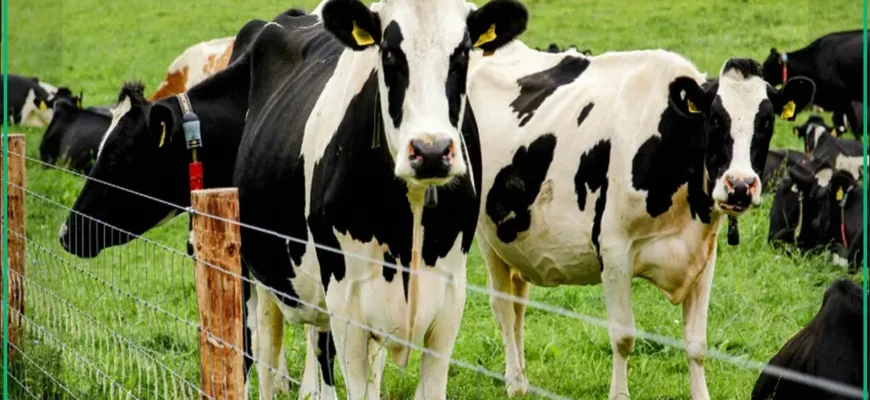
Recent scientific discoveries shed light on the ongoing evolution of the H5N1 bird flu virus. Researchers have identified specific genetic changes within the virus that are enabling it to successfully infect cattle. Crucially, these same mutations appear to be hindering its ability to adapt to and infect humans.
These findings are significant because they illustrate the dynamic nature of the H5N1 virus as it interacts with different animal hosts. Understanding the genetic alterations that facilitate bovine infection is key to monitoring its spread within livestock populations. Furthermore, the apparent resistance to human infection conferred by these mutations offers a degree of reassurance regarding immediate public health risks from this particular viral strain.
The study highlights the importance of ongoing surveillance of influenza viruses in both avian and mammalian populations. By tracking these evolutionary pathways, scientists can better predict potential future threats and develop targeted interventions to safeguard animal and human health.
Translation to English:
Recent scientific discoveries shed light on the ongoing evolution of the H5N1 bird flu virus. Researchers have identified specific genetic changes within the virus that are enabling it to successfully infect cattle. Crucially, these same mutations appear to be hindering its ability to adapt to and infect humans.
These findings are significant because they illustrate the dynamic nature of the H5N1 virus as it interacts with different animal hosts. Understanding the genetic alterations that facilitate bovine infection is key to monitoring its spread within livestock populations. Furthermore, the apparent resistance to human infection conferred by these mutations offers a degree of reassurance regarding immediate public health risks from this particular viral strain.
The study highlights the importance of ongoing surveillance of influenza viruses in both avian and mammalian populations. By tracking these evolutionary pathways, scientists can better predict potential future threats and develop targeted interventions to safeguard animal and human health.