
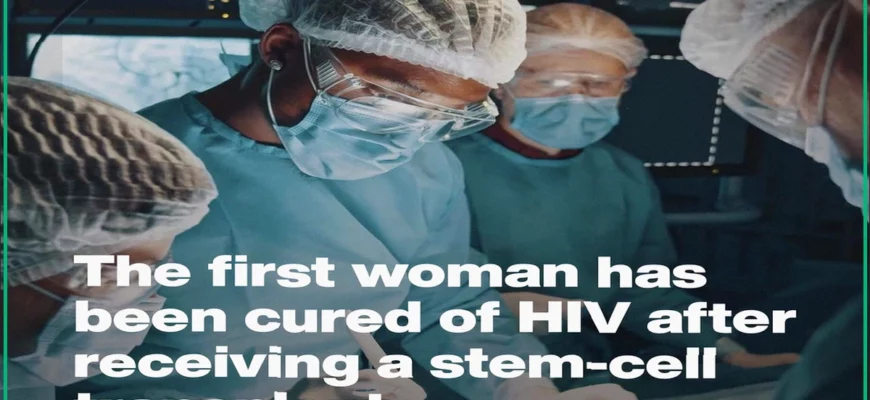
A significant breakthrough in HIV treatment has been reported: a man living with HIV has achieved a functional cure after undergoing a bone marrow transplant from his brother. This remarkable outcome is attributed to a rare genetic mutation present in the donor, which renders his cells resistant to HIV infection.
The mutation, found in a small percentage of the population, affects the specific receptors on the surface of immune cells that HIV typically uses to enter and infect them. By receiving stem cells from his brother, the recipient effectively replaced his own HIV-susceptible cells with these resistant ones, leading to a sustained absence of the virus in his body.
This case offers renewed hope for individuals living with HIV, highlighting the potential of stem cell transplantation as a therapeutic strategy. While not a universally applicable solution due to the complexity and risks associated with the procedure, it demonstrates a path towards long-term remission and potentially a functional cure for some patients.