
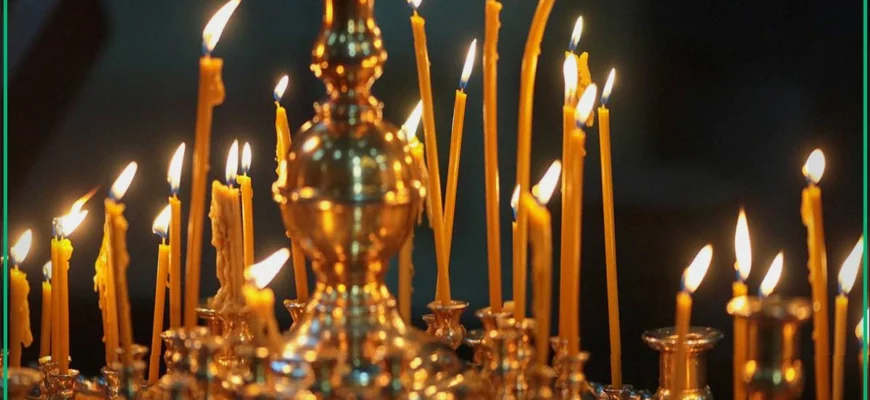
Древний славянский праздник Красная горка ежегодно отмечается весной, символизируя обновление природы, плодородие земли и поклонение солнцу. Этот материал раскроет историю праздника и его традиции.
Когда Красная горка в 2026 году
Красная горка — это первое воскресенье после Пасхи. Дата праздника меняется каждый год, так как она привязана к Воскресению Христову, определяемому по лунному календарю. В 2026 году, после празднования Пасхи, Красная горка будет отмечаться 19 апреля.
История праздника
Корни Красной горки уходят в глубокую древность, объединяя языческие и христианские традиции. Название можно интерпретировать как веселое празднество на возвышенности в честь бога солнца Ярилы, покровителя хорошей погоды и урожая. С принятием христианства на Руси, на таких возвышенностях начали строить церкви, и языческие пляски у костров сменились богослужениями. Красная горка стала также известна как Антипасха, продолжая празднование Пасхи.
Другое значение праздника, распространенное среди восточных славян, носило романтический характер. Считалось, что с пробуждением природы сердца людей открываются для любви. В этот период было принято устраивать смотрины и свадебные торжества.
Первое воскресенье после Пасхи также известно как Фомино воскресенье. В этот день Иисус явился апостолу Фоме, который сомневался в Воскресении Христа. Бог позволил Фоме прикоснуться к ранам от распятия, что укрепило его веру.
Церковные традиции
В церквях проводятся богослужения, посвященные Воскресению Иисуса и явлению его апостолу Фоме. Прихожане поют пасхальные песни и приветствуют друг друга словами «Христос воскресе!» — «Воистину воскресе!», сопровождая это троекратным поцелуем. В этот день разрешено причащение, но предварительно требуется исповедь.
Свадебный сезон
На Красную горку возобновляется практика венчания в церквях. В период Великого поста и Страстной недели бракосочетания не проводятся, поскольку это время предназначено для молитв и размышлений о страданиях Христа.
Венчание в Красную горку считается благословением небес, и верующие полагают, что такой союз будет особенно счастливым.
Традиции
В старину на Красную горку стремились призвать теплые весенние дни. Праздник сопровождался пиршествами, танцами и народными гуляньями. Проводились ритуалы с использованием огня, воды и солнца для привлечения удачи, плодородия и благополучия. Также устраивались спортивные состязания, конкурсы и игры.
В честь Ярилы разжигали костры, проводили ритуалы обливания водой и купания, веря в очищающую силу воды для тела и души. Воду из рек и озер приносили в дома, поливая растения и деревья для лучшего роста. Незамужние девушки водили хороводы на природе, чтобы привлечь суженых.
За праздничным столом в этот день едят те же блюда, что и на Пасху.
Народные приметы на Красную горку
Наши предки связывали с праздником множество примет и поверий:
- Увидеть во сне умершего близкого — к защите от бед и болезней.
- Теплая погода вечером и тихая ночь обещают жаркое лето.
- Пасмурное небо предвещает холодное и дождливое лето.
- Загаданное желание, символически брошенное в водоем, имеет шанс исполниться.
- Умывание перед иконой сулит получение денег.
- Веснушки, появившиеся на лице к этому дню, считаются предвестниками счастья и благополучия.
В 2026 году христиане будут отмечать Радоницу во вторник, 21 апреля.
Krasnaya Gorka — 2026: Date, History, Traditions
The ancient Slavic holiday Krasnaya Gorka is celebrated annually in spring, symbolizing the renewal of nature, the fertility of the earth, and the worship of the sun. This material will explore the history of the holiday and its traditions.
When is Krasnaya Gorka in 2026
Krasnaya Gorka is the first Sunday after Easter. The date of the holiday changes every year as it is tied to the Resurrection of Christ, determined by the lunar calendar. In 2026, after celebrating Easter, Krasnaya Gorka will be observed on April 19.
History of the Holiday
The roots of Krasnaya Gorka go back to antiquity, merging pagan and Christian traditions. The name can be interpreted as a joyous celebration on a high ground in honor of the sun god Yarilo, the patron of good weather and harvest. After the adoption of Christianity in Rus’, churches began to be built on such elevations, and pagan dances around bonfires were replaced by divine services. Krasnaya Gorka also became known as Antipascha, continuing the celebration of Easter.
Another meaning of the holiday, widespread among the Eastern Slavs, was romantic. It was believed that with the awakening of nature, people’s hearts opened to love. During this time, it was customary to arrange matchmaking and wedding celebrations.
The first Sunday after Easter is also known as Thomas Sunday. On this day, Jesus appeared to the Apostle Thomas, who doubted Christ’s Resurrection. God allowed Thomas to touch the wounds of the crucifixion, which strengthened his faith.
Church Traditions
Divine services are held in churches dedicated to the Resurrection of Jesus and his appearance to the Apostle Thomas. Parishioners sing Easter songs and greet each other with the words “Christ is Risen!” – “Truly Risen!”, accompanied by a triple kiss. Communion is permitted on this day, but confession is required beforehand.
Wedding Season
On Krasnaya Gorka, the practice of church weddings resumes. Marriages are not performed during Great Lent and Holy Week, as this time is dedicated to prayers and reflections on Christ’s suffering.
A wedding on Krasnaya Gorka is considered a blessing from heaven, and believers believe that such a union will be especially happy.
Traditions
In ancient times, on Krasnaya Gorka, people strived to invoke warm spring days. The holiday was accompanied by feasts, dances, and folk festivities. Rituals involving fire, water, and the sun were performed to attract luck, fertility, and well-being. Sports competitions, contests, and games were also organized.
In honor of Yarilo, bonfires were lit, and rituals of water splashing and bathing were performed, believing in the purifying power of water for the body and soul. Water from rivers and lakes was brought into homes, watering plants and trees for better growth. Unmarried girls would lead round dances in nature to attract suitors.
The same dishes are served at the festive table on this day as on Easter.
Folk Omens for Krasnaya Gorka
Our ancestors associated many omens and beliefs with the holiday:
- Seeing a deceased relative in a dream means protection from misfortunes and illnesses.
- Warm weather in the evening and a quiet night promise a hot summer.
- A cloudy sky foretells a cold and rainy summer.
- A wish symbolically thrown into a body of water has a chance to come true.
- Washing one’s face before an icon promises money.
- Freckles appearing on the face by this day are considered harbingers of happiness and prosperity.
In 2026, Christians will celebrate Radunitsa on Tuesday, April 21.