Новый метод борьбы с агрессивными и чужеродными кораллами набирает обороты. В Бразилии успешно применяют сжатый воздух для их уничтожения.
Проблема инвазивных видов кораллов, особенно солнечных кораллов (Tubastraea spp.), остро стоит во многих прибрежных регионах. Эти кораллы, часто завезенные случайно, способны быстро распространяться, вытесняя местные виды и нарушая экосистемы рифов. Традиционные методы борьбы, такие как механическое удаление, зачастую неэффективны, так как даже мелкие фрагменты могут обладать способностью к регенерации и последующему разрастанию.
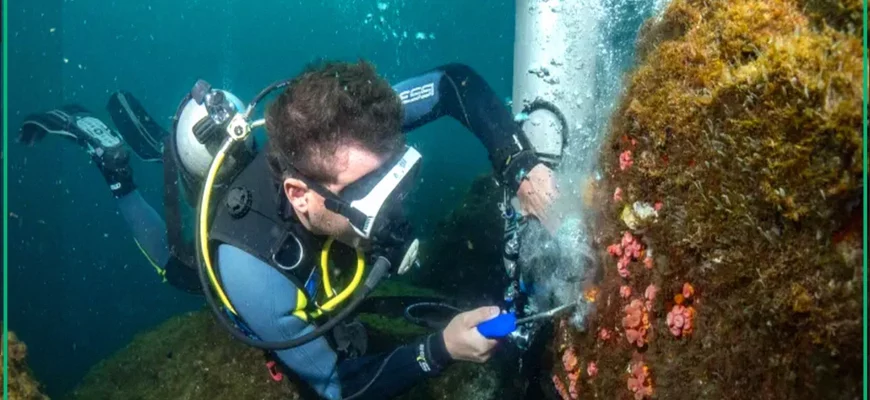
Однако, исследователи из Бразилии предложили радикальное и, судя по всему, действенное решение. Они используют направленные выстрелы сжатым воздухом, по сути, “стреляя” по инвазивным колониям. Этот метод основан на механическом воздействии, которое разрушает мягкие ткани коралла.
Испытания показали впечатляющие результаты: мощные струи сжатого воздуха эффективно уничтожали мягкие ткани инвазивных солнечных кораллов. Важным аспектом является то, что данный метод предотвращает регенерацию. Если при механическом удалении остается много мелких фрагментов, которые могут дальше распространяться, то после воздействия сжатым воздухом, вероятно, не остается жизнеспособных частей, способных к новому росту.
Таким образом, пневматическое оружие, направленное на уничтожение инвазивных кораллов, представляется перспективным инструментом для восстановления морских экосистем, страдающих от распространения чужеродных видов.
English Translation and Rewriting:
Got Pesky, Invasive Corals? Blast Them Away with Air Guns
A novel method is emerging to combat aggressive and non-native coral species. In Brazil, compressed air is being successfully employed for their eradication.
The issue of invasive coral species, particularly sun corals (Tubastraea spp.), presents a significant challenge in many coastal areas. These corals, often introduced inadvertently, have the capacity to spread rapidly, outcompeting native species and disrupting reef ecosystems. Conventional control methods, such as manual removal, are frequently ineffective, as even small fragments possess the ability to regenerate and subsequently proliferate.
However, researchers in Brazil have proposed a radical and, seemingly, effective solution. They are utilizing directed blasts of compressed air, essentially “shooting” at the invasive colonies. This method relies on mechanical impact to destroy the soft tissues of the coral.
Trials have yielded impressive outcomes: powerful jets of compressed air have proven highly effective at obliterating the soft tissues of invasive sun corals. A crucial aspect of this technique is its ability to prevent regeneration. Whereas mechanical removal often leaves behind numerous small fragments capable of further dispersal, the impact of compressed air appears to leave no viable parts that can initiate new growth.
Consequently, the use of air guns aimed at eradicating invasive corals shows promise as a valuable tool for restoring marine ecosystems affected by the proliferation of alien species.