
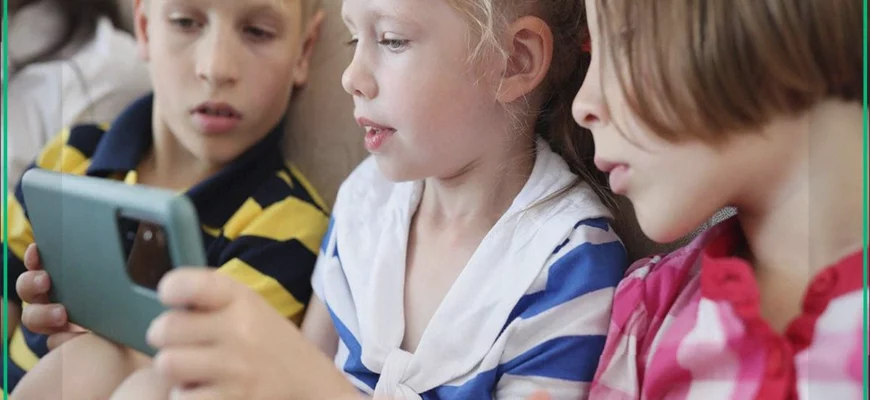
Зависимость от смартфонов не только негативно сказывается на работе мозга, но и на состоянии нервной системы. Практикующий детский психолог-педагог Дарья Дугенцова поделилась информацией о том, чем именно смартфоны могут быть опасны для детей.
Согласно последним исследованиям, зависимость от гаджетов тесно связана с повышенной тревожностью, нарушениями сна и эмоциональной нестабильностью.
«Ключевую роль в этой ситуации играют родители. Неоднократно ко мне обращались родители, чьи дети страдали от гаджетозависимости. В процессе работы мы выясняли, что сами родители постоянно проводят время за компьютером, планшетом или телефоном. В такие моменты становится непонятно, чего мы ожидаем от детей. Поэтому в первую очередь необходимо обратить внимание на собственное поведение, и только потом — на ребенка», — отметила эксперт.
По словам психолога, поводом для обращения к специалисту могут стать резкие негативные реакции ребенка на попытки ограничить доступ к гаджетам или полная потеря интереса к другим видам деятельности.
Дугенцова также добавила, что часто из-за длительного использования телефонов или планшетов дети начинают меньше времени уделять учебе и своим увлечениям. Кроме того, при развитии зависимости снижается желание общаться с семьей и сверстниками.
English Translation:
Gadgets’ Danger to Children: Psychologist Dugentsova Explains
Phone addiction not only affects brain function but also the nervous system. Practicing child psychologist and educator Daria Dugentsova shared insights into the dangers of smartphones for children.
According to recent studies, dependency is linked to increased anxiety, sleep disturbances, and emotional instability.
“The key in this situation is the parents… I’ve repeatedly had parents come to me with gadget-addicted children, and it always led to us discovering that the father is constantly on the computer, and the mother is constantly on her tablet and phone. What we expect from the children at that moment is unclear. Therefore, we first focus on ourselves, and then on the child,” the expert stated.
According to the psychologist, a reason to seek professional help can be a sharp reaction to attempts to limit gadget access or a loss of interest in other activities.
Dugentsova added that often, due to prolonged time spent on phones or tablets, children begin to dedicate less time to their studies or hobbies. Additionally, with addiction, the desire to communicate with family or peers decreases.