Ancient 'Hobbits' Scavenged on Komodo Dragon Leftovers
Fossil evidence suggests that early human relatives, often referred to as 'hobbits' due to their small stature, did not actively hunt the formidable Komodo dragons. Instead, they appear to have been opportunistic scavengers, feeding on the carcasses left behind by these giant lizards.
While these ancient hominins embarked on their own journeys and adapted to their environment, they lacked certain crucial abilities that distinguish modern humans. Their survival was dependent on resourcefulness and exploiting available food sources, such as the remnants of Komodo dragon meals. This behavior paints a picture of a challenging existence where ingenuity, rather than brute force, was key to their survival.
An English Translation:
Ancient 'Hobbits' Feasted on Komodo Dragon Leftovers
Fossil evidence suggests that early human relatives, colloquially known as 'hobbits' due to their diminutive size, did not actively pursue and hunt Komodo dragons. Instead, they seem to have been opportunistic scavengers, consuming the remains of kills made by these large reptiles.
While these ancient hominins undertook their own explorations and adapted to their surroundings, they were missing certain essential capabilities that characterize modern humans. Their ability to survive relied on being resourceful and taking advantage of available food sources, such as the leftovers from Komodo dragon predation. This behavior illustrates a difficult life where cleverness, rather than physical strength, was paramount for their survival.
Fresh materials — Science News
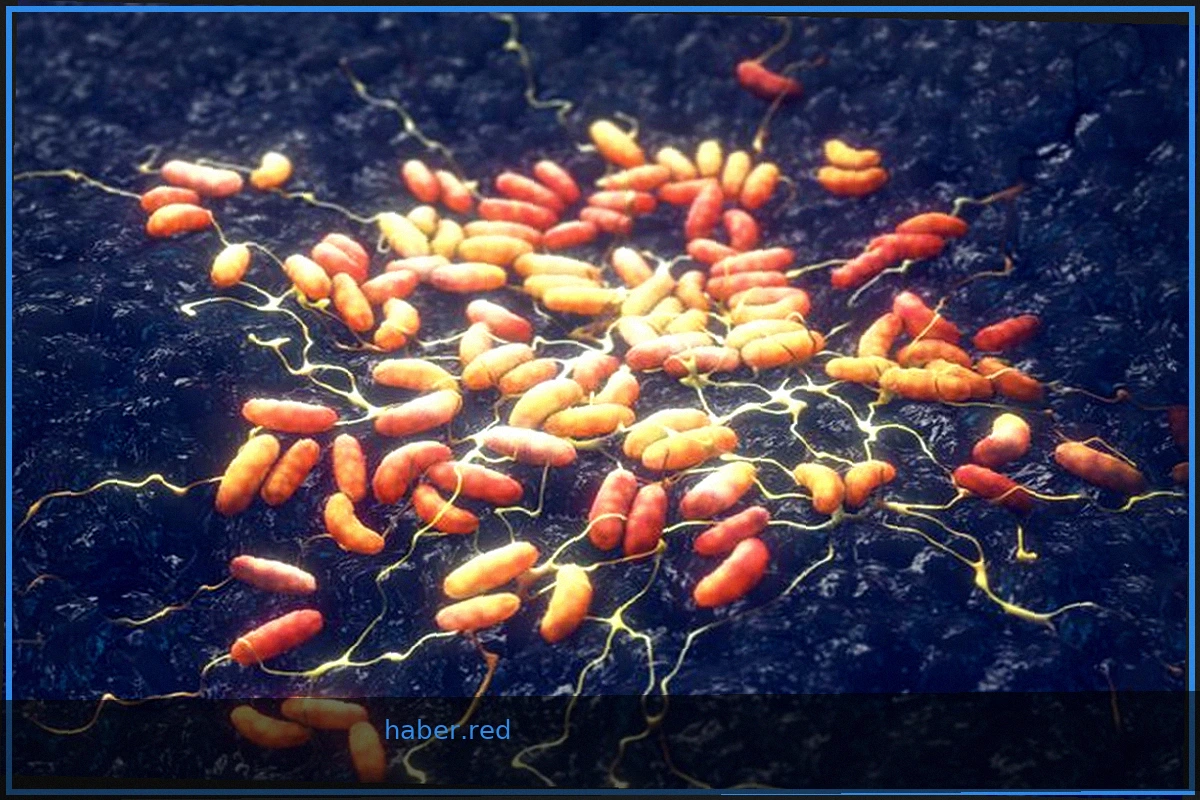
Suspected Pneumonic Plague Case Sparks Outbreak Fears
Russian authorities reported a pneumonia death of unknown cause in an employee at a Siberian lab that studies infectious diseases. The World Health Organization (WHO) is monitoring the situation and collaborating with Russian health officials. The WHO stated that while the woma
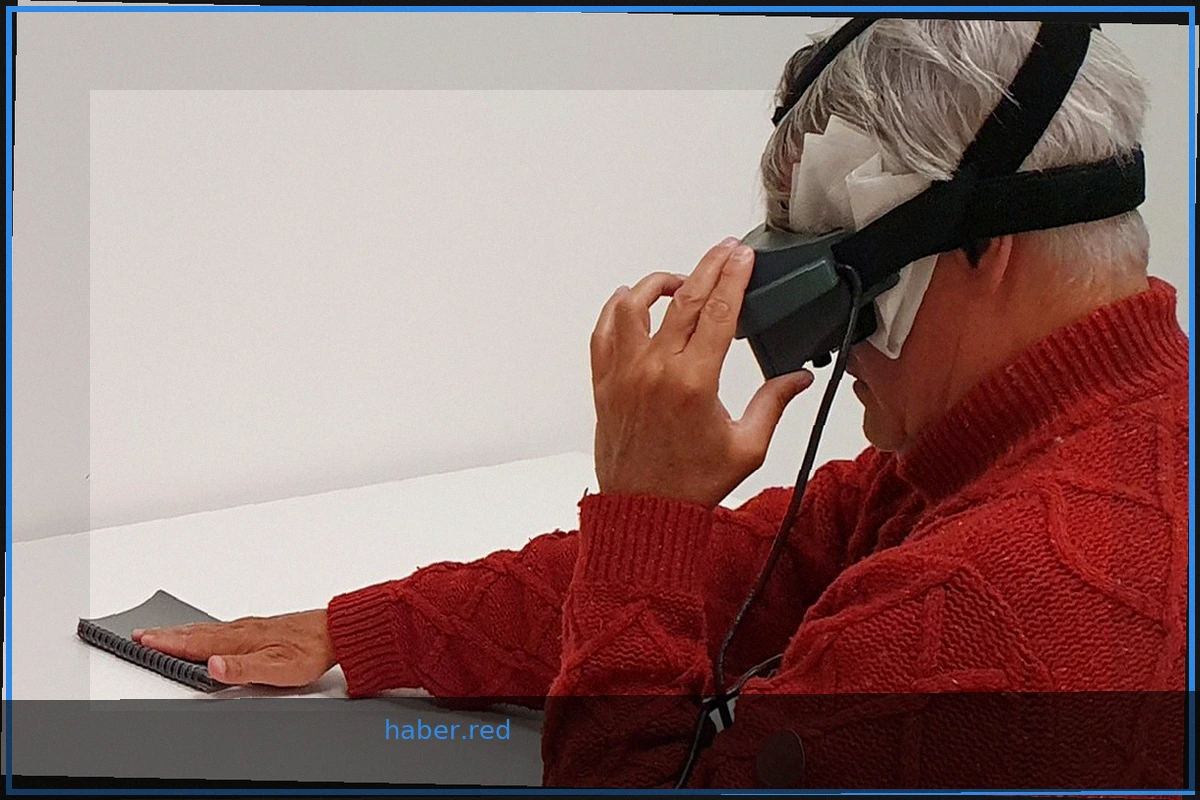
Gene Therapy and Special Goggles Restore Limited Vision
A new experimental treatment, coupled with custom-designed goggles, is allowing some blind individuals to perceive their surroundings. This advancement enables them to locate doorways and identify objects.
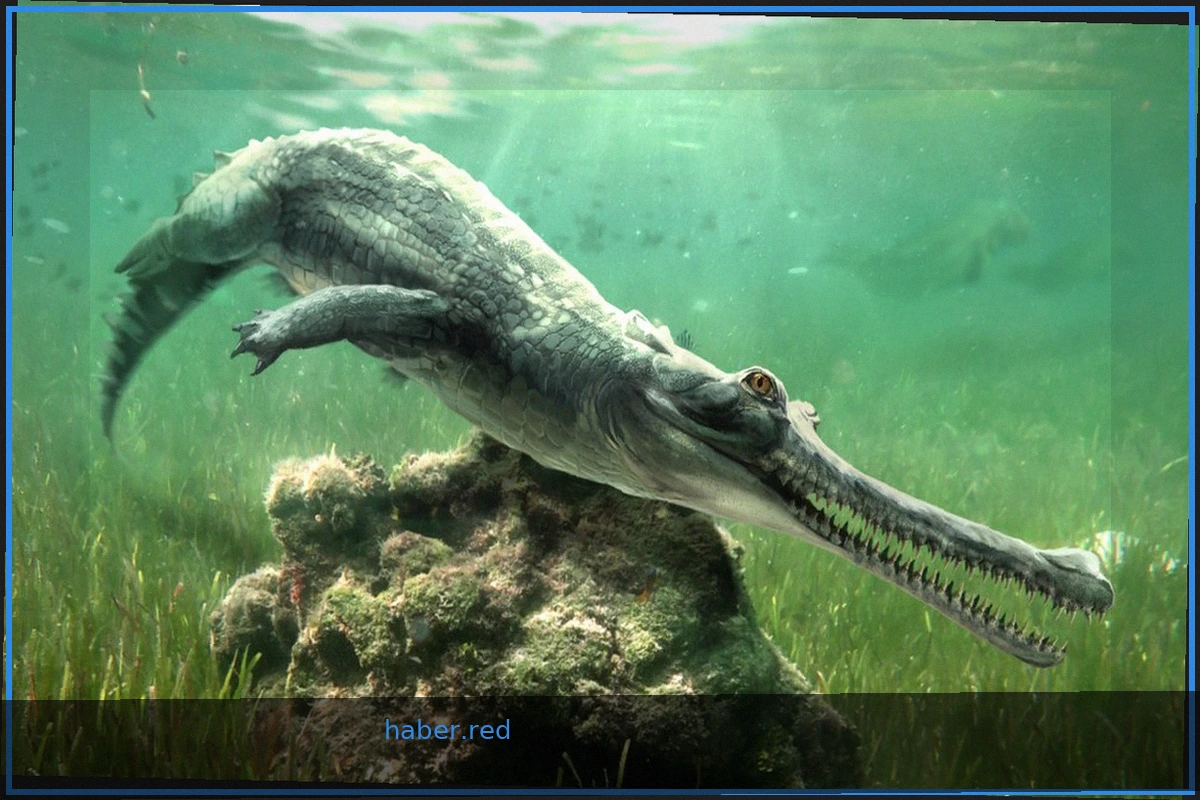
Extinct Crocodilian Fossils Discovered in Great Sphinx Limestone
Fossils of an extinct crocodilian, identified as Herugavialis, were found embedded in the limestone quarried for the Great Sphinx. Notably, this ancient reptile, much like the iconic statue it shares its origin stone with, appears to be missing its nose. The discovery of Herugavialis with

Blockbuster Retatrutide Trial: A New Benchmark for Weight-Loss Drugs
The experimental weight-loss drug retatrutide has reached a significant milestone: a Phase 3 clinical trial showed participants with type 2 diabetes losing up to 49.6 pounds, or over 20 percent of their body weight. Eli Lilly, the drug's developer, reported this as a first for the field.

NASA Pursues Uncrewed and Crewed Missions with Boeing's Starliner
Boeing's Starliner spacecraft will attempt to fly NASA astronauts to space again, this time following an uncrewed test flight to the International Space Station (ISS). NASA administrator Bill Nelson announced that the capsule is scheduled for an uncrewed mission as early as December. This represe

TikTok promotes home remedy that risks botulism
A homemade concoction of garlic fermented in honey, trending on TikTok for its supposed immune-boosting properties, carries a serious risk of causing botulism, according to health experts. Influencers on the platform are promoting this mixture in numerous videos, claiming it