How a statistical paradox can make research findings fall apart
Simpson's Paradox vividly illustrates the counterintuitive nature of statistics. This perplexing phenomenon occurs when a trend observed within various individual groups of data disappears or even reverses direction when these groups are combined. It highlights the critical importance of careful data analysis and the potential for misleading conclusions when a lurking variable is ignored.
At its core, Simpson's Paradox arises due to a confounding variable that significantly influences the subgroups but whose effect is obscured when the data is aggregated. A classic example often involves medical studies: imagine a new drug appears more effective for both male patients and female patients when analyzed separately. However, when the data for all patients (men and women combined) is pooled, the new drug might surprisingly appear less effective than a control treatment. This paradoxical reversal typically occurs because the confounding variable (e.g., severity of illness, age, or a pre-existing condition) is unequally distributed among the subgroups, and this distribution correlates with both the treatment and the outcome.
The implications of Simpson's Paradox for research findings are profound and, as the title suggests, can indeed make them "fall apart." Researchers might draw erroneous conclusions, leading to flawed policies, incorrect medical treatments, or misinformed business strategies. It underscores that observing an overall trend isn't always sufficient; understanding the underlying structure of the data and identifying potential confounding factors is paramount. Failing to account for such variables can lead to statistical models that misrepresent reality, undermining the validity and reliability of scientific inquiry across disciplines.
In essence, Simpson's Paradox serves as a potent reminder that aggregate statistics can conceal crucial insights and distort apparent relationships. It compels us to look beyond surface-level trends, to disaggregate data thoughtfully, and to always question the presence of unobserved variables that might be driving observed outcomes. A robust understanding and vigilance against this paradox are essential for anyone seeking to draw accurate, actionable insights from complex datasets.
Fresh materials — Science News
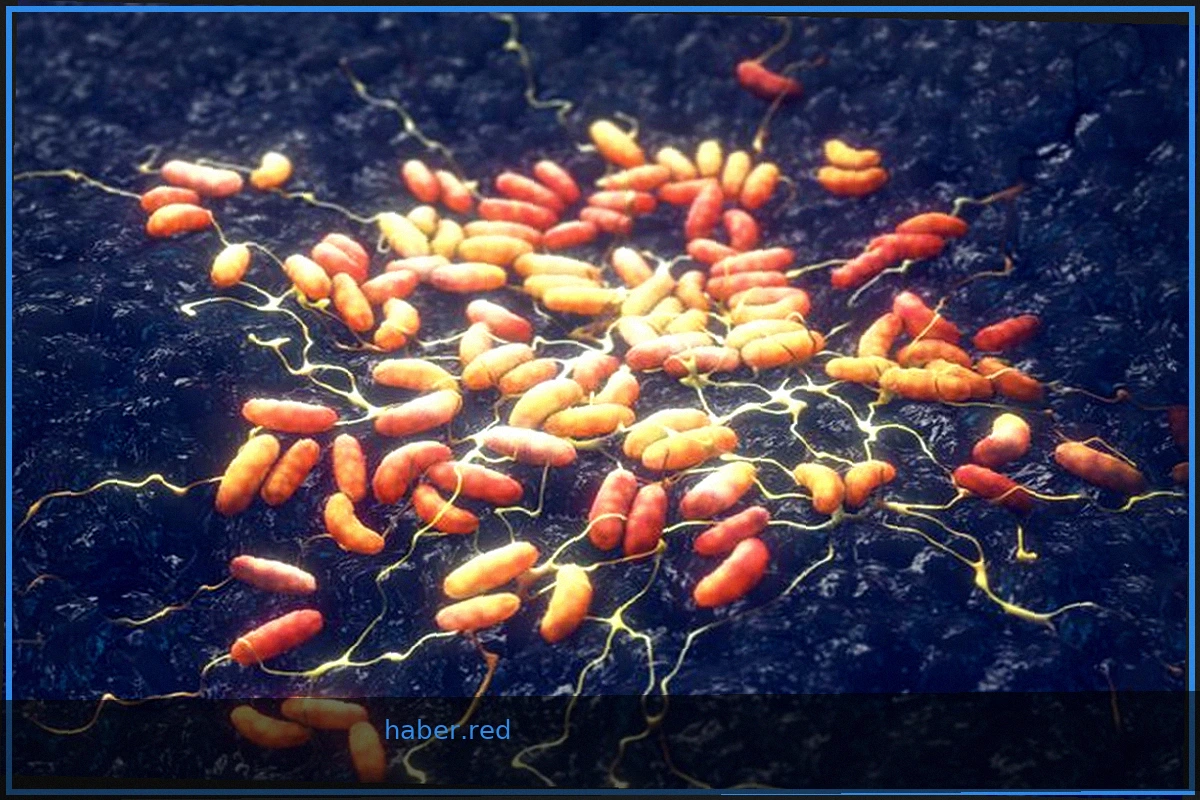
Suspected Pneumonic Plague Case Sparks Outbreak Fears
Russian authorities reported a pneumonia death of unknown cause in an employee at a Siberian lab that studies infectious diseases. The World Health Organization (WHO) is monitoring the situation and collaborating with Russian health officials. The WHO stated that while the woma
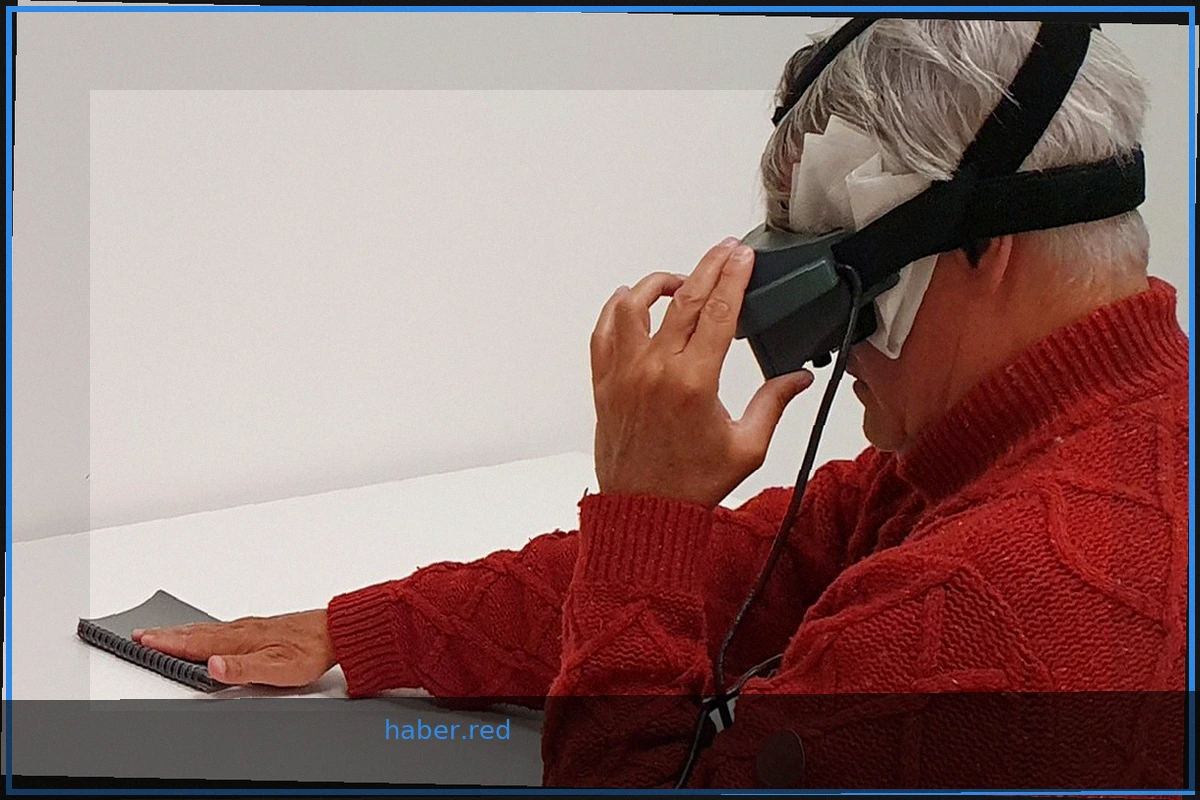
Gene Therapy and Special Goggles Restore Limited Vision
A new experimental treatment, coupled with custom-designed goggles, is allowing some blind individuals to perceive their surroundings. This advancement enables them to locate doorways and identify objects.
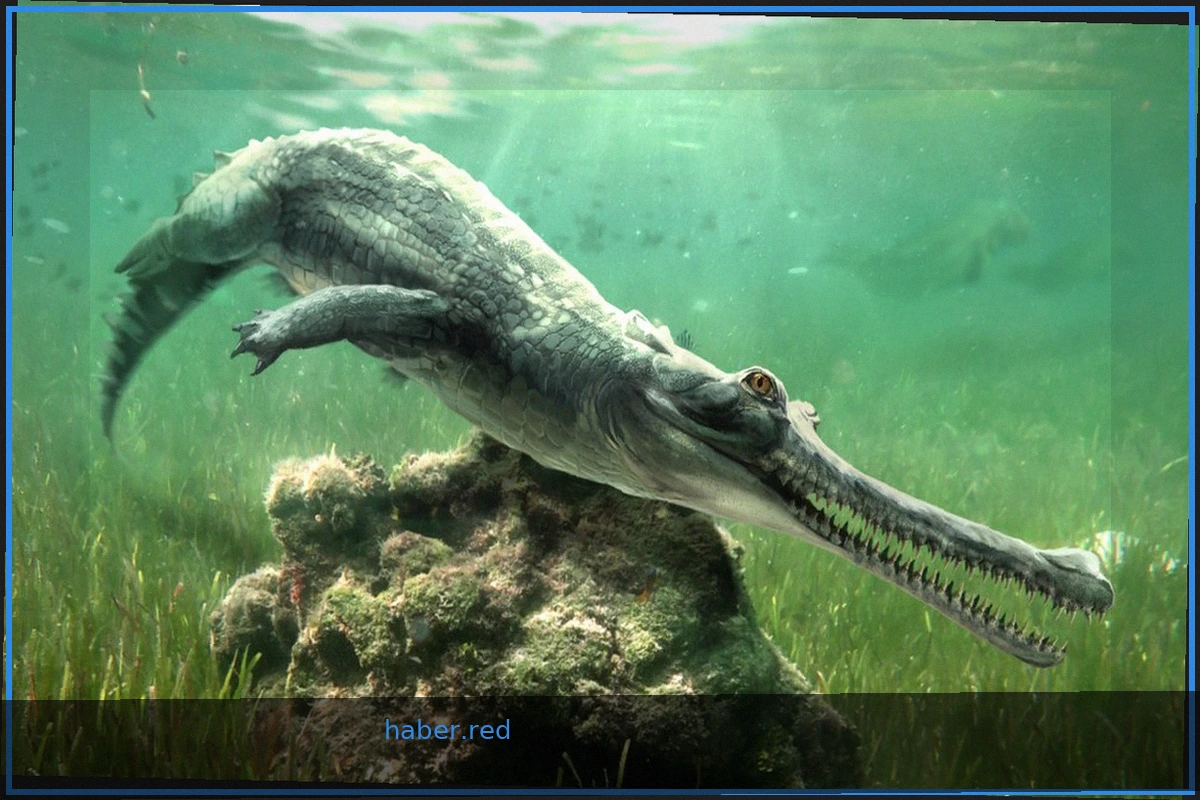
Extinct Crocodilian Fossils Discovered in Great Sphinx Limestone
Fossils of an extinct crocodilian, identified as Herugavialis, were found embedded in the limestone quarried for the Great Sphinx. Notably, this ancient reptile, much like the iconic statue it shares its origin stone with, appears to be missing its nose. The discovery of Herugavialis with

Blockbuster Retatrutide Trial: A New Benchmark for Weight-Loss Drugs
The experimental weight-loss drug retatrutide has reached a significant milestone: a Phase 3 clinical trial showed participants with type 2 diabetes losing up to 49.6 pounds, or over 20 percent of their body weight. Eli Lilly, the drug's developer, reported this as a first for the field.

NASA Pursues Uncrewed and Crewed Missions with Boeing's Starliner
Boeing's Starliner spacecraft will attempt to fly NASA astronauts to space again, this time following an uncrewed test flight to the International Space Station (ISS). NASA administrator Bill Nelson announced that the capsule is scheduled for an uncrewed mission as early as December. This represe
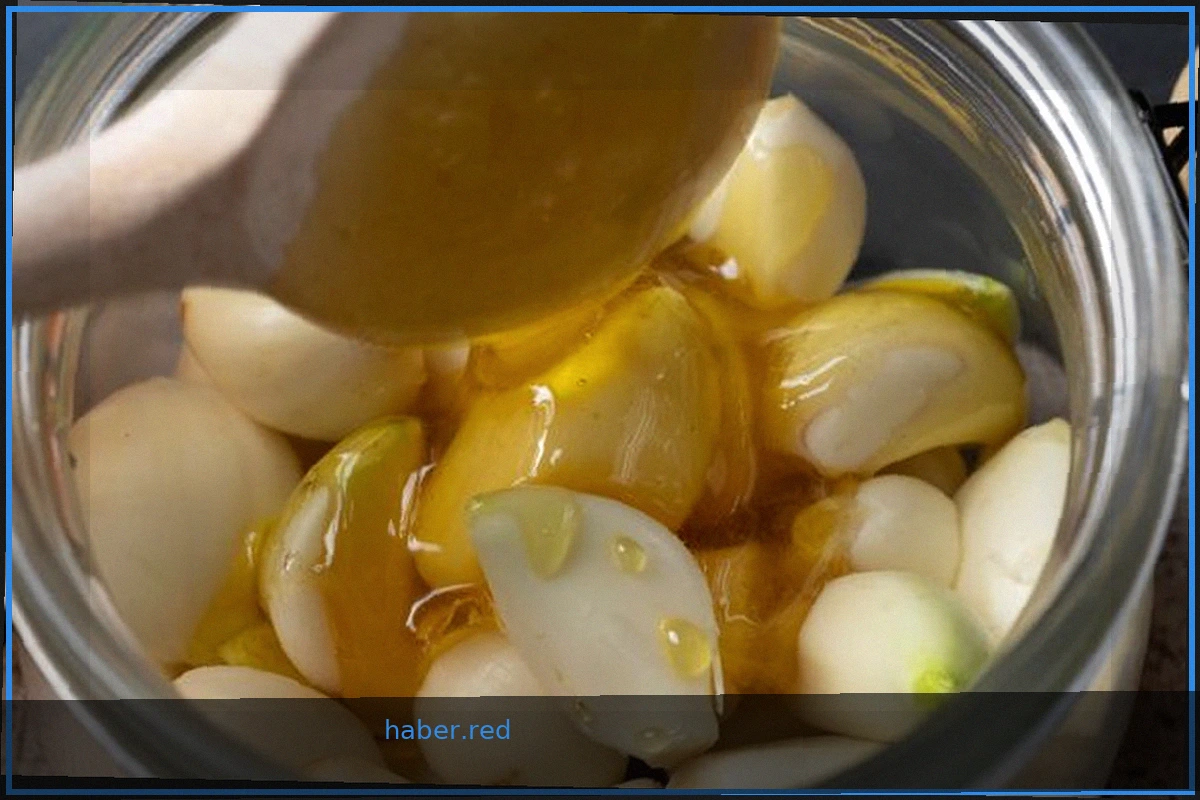
TikTok promotes home remedy that risks botulism
A homemade concoction of garlic fermented in honey, trending on TikTok for its supposed immune-boosting properties, carries a serious risk of causing botulism, according to health experts. Influencers on the platform are promoting this mixture in numerous videos, claiming it