Could AI Have Solved the Riddle of El Greco's Mysterious "The Baptism of Christ"?
For an extended period, art scholars have generally accepted the notion that El Greco’s renowned painting, "The Baptism of Christ," was likely a collaborative effort, with contributions from his studio assistants. However, recent groundbreaking research is casting doubt on this long-standing assumption, proposing a new perspective that points towards a more solitary creation by the master himself.
AI Offers New Insights into El Greco's Masterpiece
The painting, "The Baptism of Christ," has long been a subject of fascination and debate among art historians. The prevailing theory has been that while El Greco initiated and likely guided the work, the execution involved the hands of other artists from his workshop. This belief was often based on stylistic variations and perceived differences in brushwork within the artwork itself.
However, advanced analytical techniques, including the application of artificial intelligence, are now being employed to re-examine canonical works of art. In the case of "The Baptism of Christ," AI algorithms have been trained on vast datasets of El Greco's authenticated works. By analyzing patterns in brushstrokes, color palettes, composition, and other subtle artistic signatures, the AI has been able to compare the different sections of "The Baptism of Christ" with an unprecedented level of detail.
The preliminary findings from this AI-driven analysis suggest a remarkable consistency in the artistic style across the entire canvas. This newfound evidence challenges the previous hypothesis of significant studio involvement. Instead, the research is leaning towards the possibility that "The Baptism of Christ" is a more direct and unified creation of El Greco himself, with minimal or no assistance from other artists. This could potentially re-evaluate our understanding of El Greco's creative process and the attribution of some of his other works.
This innovative application of artificial intelligence in art history not only offers a fresh perspective on a specific masterpiece but also opens up exciting possibilities for the future of art authentication and analysis. As AI technology continues to evolve, it promises to shed light on more art historical enigmas, pushing the boundaries of our knowledge and appreciation of artistic heritage.
Fresh materials — Science News
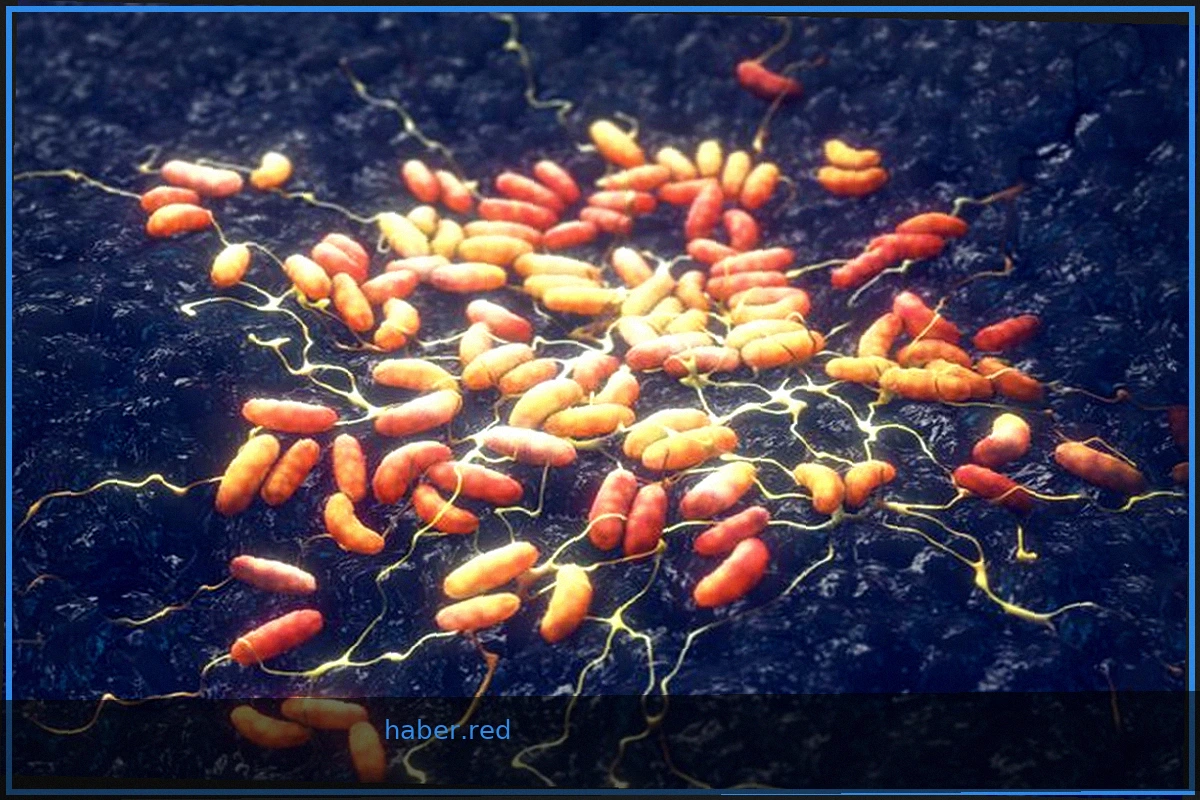
Suspected Pneumonic Plague Case Sparks Outbreak Fears
Russian authorities reported a pneumonia death of unknown cause in an employee at a Siberian lab that studies infectious diseases. The World Health Organization (WHO) is monitoring the situation and collaborating with Russian health officials. The WHO stated that while the woma
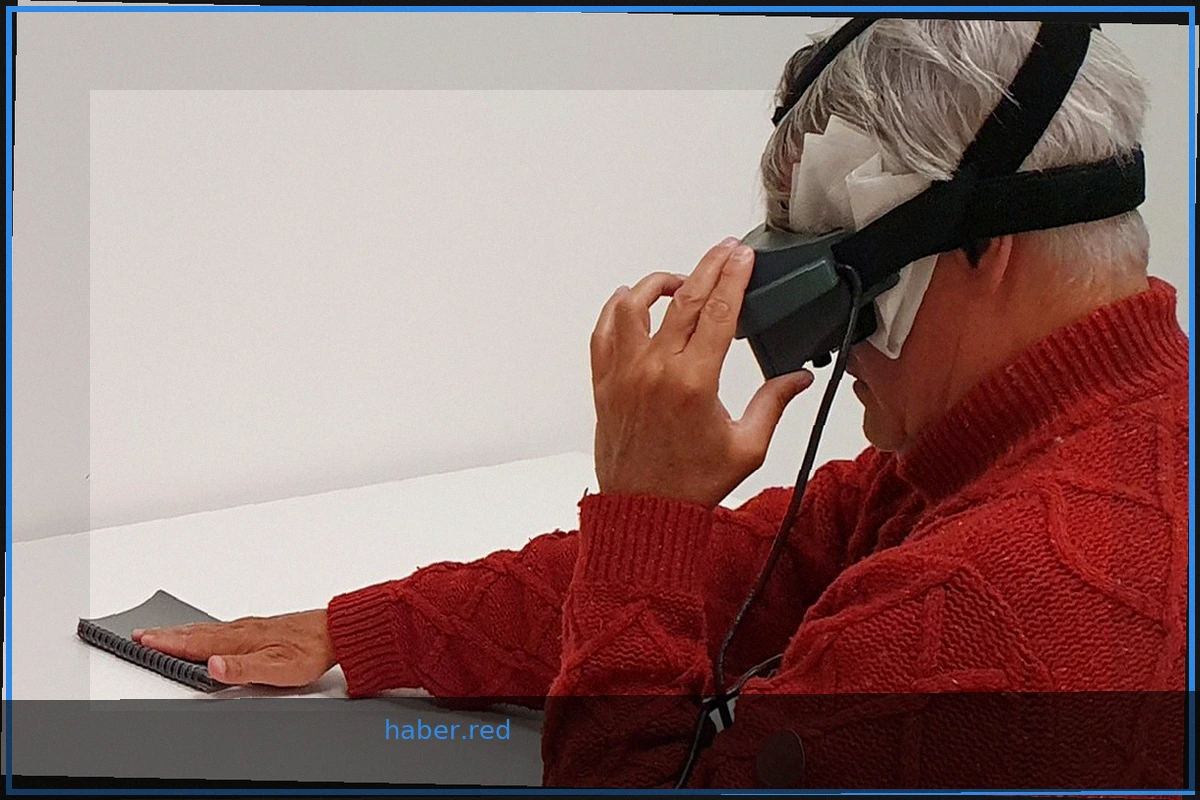
Gene Therapy and Special Goggles Restore Limited Vision
A new experimental treatment, coupled with custom-designed goggles, is allowing some blind individuals to perceive their surroundings. This advancement enables them to locate doorways and identify objects.
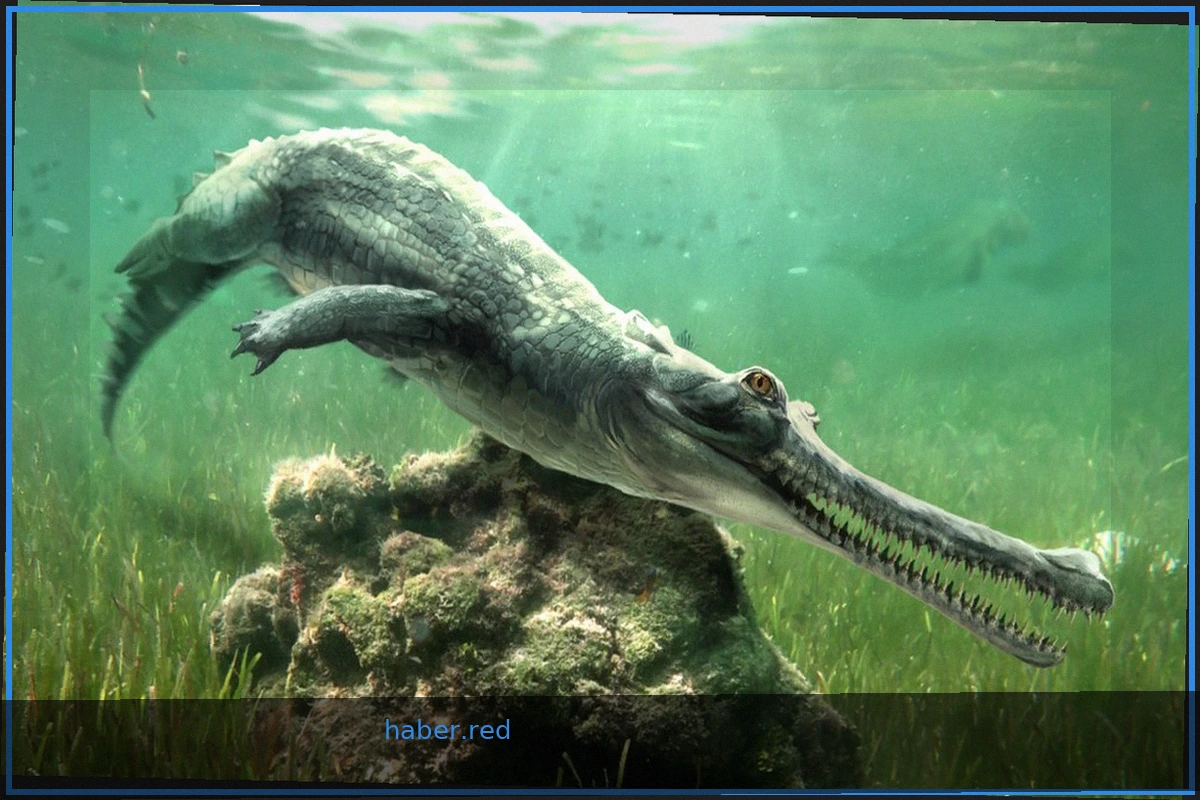
Extinct Crocodilian Fossils Discovered in Great Sphinx Limestone
Fossils of an extinct crocodilian, identified as Herugavialis, were found embedded in the limestone quarried for the Great Sphinx. Notably, this ancient reptile, much like the iconic statue it shares its origin stone with, appears to be missing its nose. The discovery of Herugavialis with

Blockbuster Retatrutide Trial: A New Benchmark for Weight-Loss Drugs
The experimental weight-loss drug retatrutide has reached a significant milestone: a Phase 3 clinical trial showed participants with type 2 diabetes losing up to 49.6 pounds, or over 20 percent of their body weight. Eli Lilly, the drug's developer, reported this as a first for the field.
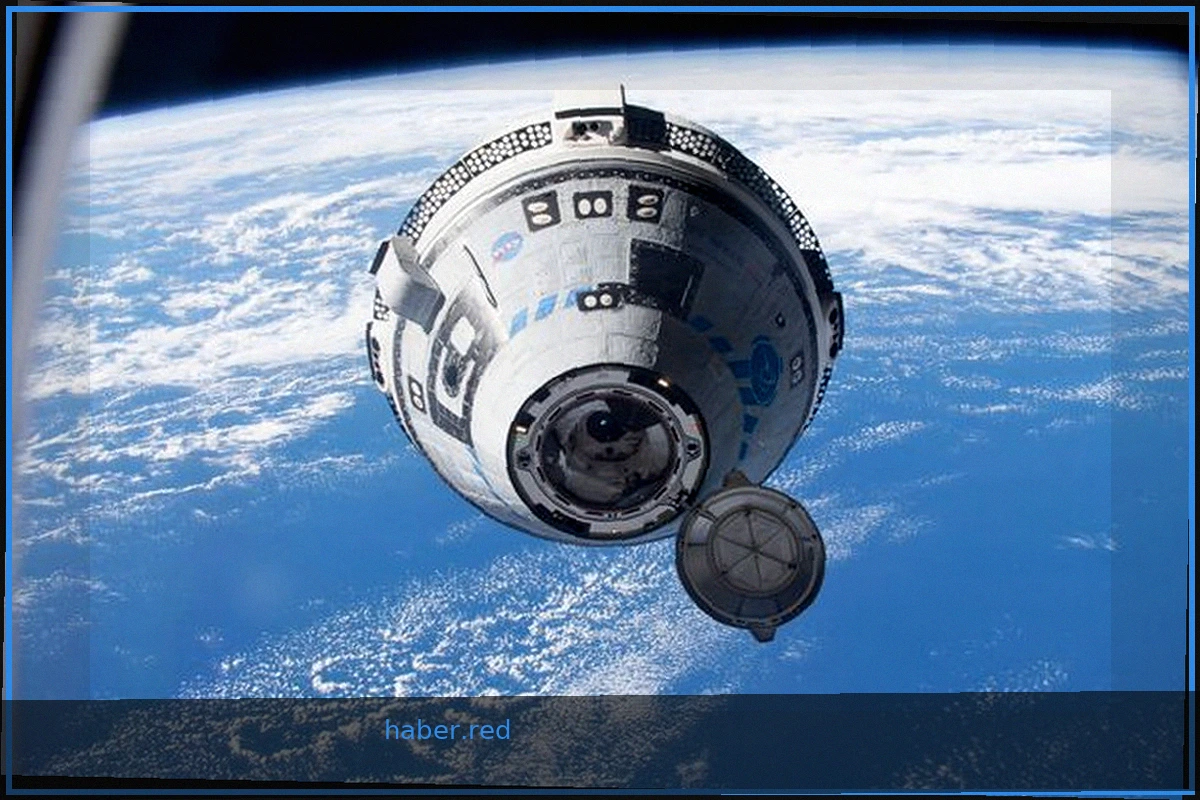
NASA Pursues Uncrewed and Crewed Missions with Boeing's Starliner
Boeing's Starliner spacecraft will attempt to fly NASA astronauts to space again, this time following an uncrewed test flight to the International Space Station (ISS). NASA administrator Bill Nelson announced that the capsule is scheduled for an uncrewed mission as early as December. This represe
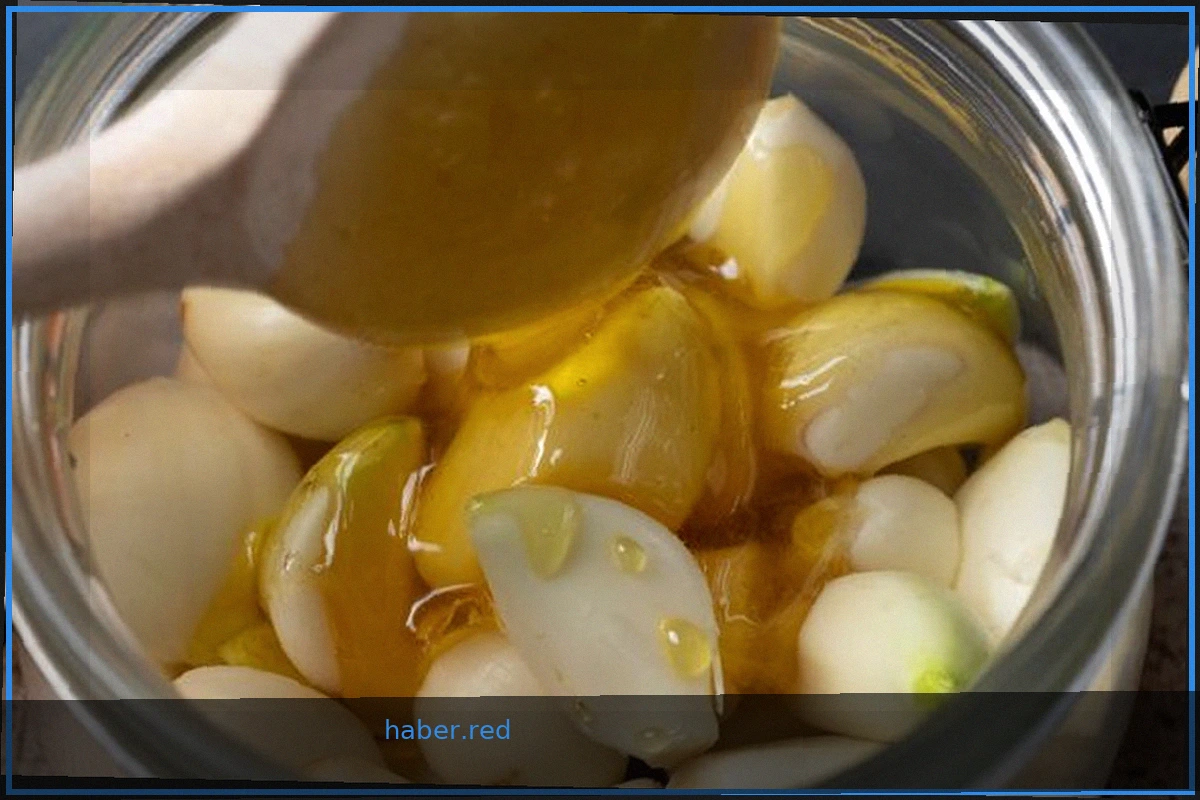
TikTok promotes home remedy that risks botulism
A homemade concoction of garlic fermented in honey, trending on TikTok for its supposed immune-boosting properties, carries a serious risk of causing botulism, according to health experts. Influencers on the platform are promoting this mixture in numerous videos, claiming it