Why Birds Outlasted the Dinosaurs: Understanding the End-Cretaceous Extinction
Scientists have finally unlocked the secrets behind the remarkable survival of birds, the only dinosaur lineage to emerge victorious from the devastating mass extinction event at the end of the Cretaceous period. While a catastrophic asteroid impact led to the demise of all other non-avian dinosaurs, modern avian species possess traits that allowed them to weather the cataclysmic aftermath.
The key to their survival lies in a combination of physiological, behavioral, and ecological advantages. Birds, even their ancient ancestors, were likely more adaptable than their larger, more specialized dinosaur cousins. Their smaller size may have allowed them to require less food, making it easier to find sustenance in a post-apocalyptic world where vegetation was scarce. Furthermore, their ability to fly offered a crucial advantage, enabling them to escape immediate devastation and seek out new, less affected environments.
Beyond mobility, the dietary flexibility of birds played a significant role. Many avian species are omnivorous or can subsist on a varied diet of seeds, insects, and scavenged remains, which would have been more readily available than the large amounts of vegetation or other dinosaurs that their non-avian counterparts depended on. The ability to adapt their diet in response to rapidly changing food sources was a critical survival mechanism.
Recent research also highlights the importance of physiological traits such as a higher metabolism and potentially faster reproduction rates. These characteristics could have allowed bird populations to recover more quickly from the disaster. Additionally, the protective qualities of feathers, originally thought to be solely for insulation or display, may have provided a degree of protection from the initial heat pulse and falling debris.
In essence, the evolutionary path that led to modern birds equipped them with a suite of resilient characteristics. While the asteroid strike was the trigger, it was these inherent advantages—smaller size, flight, dietary flexibility, and physiological robustness—that ultimately allowed birds to inherit the Earth, becoming the living legacy of the dinosaur era.
Fresh materials — Science News
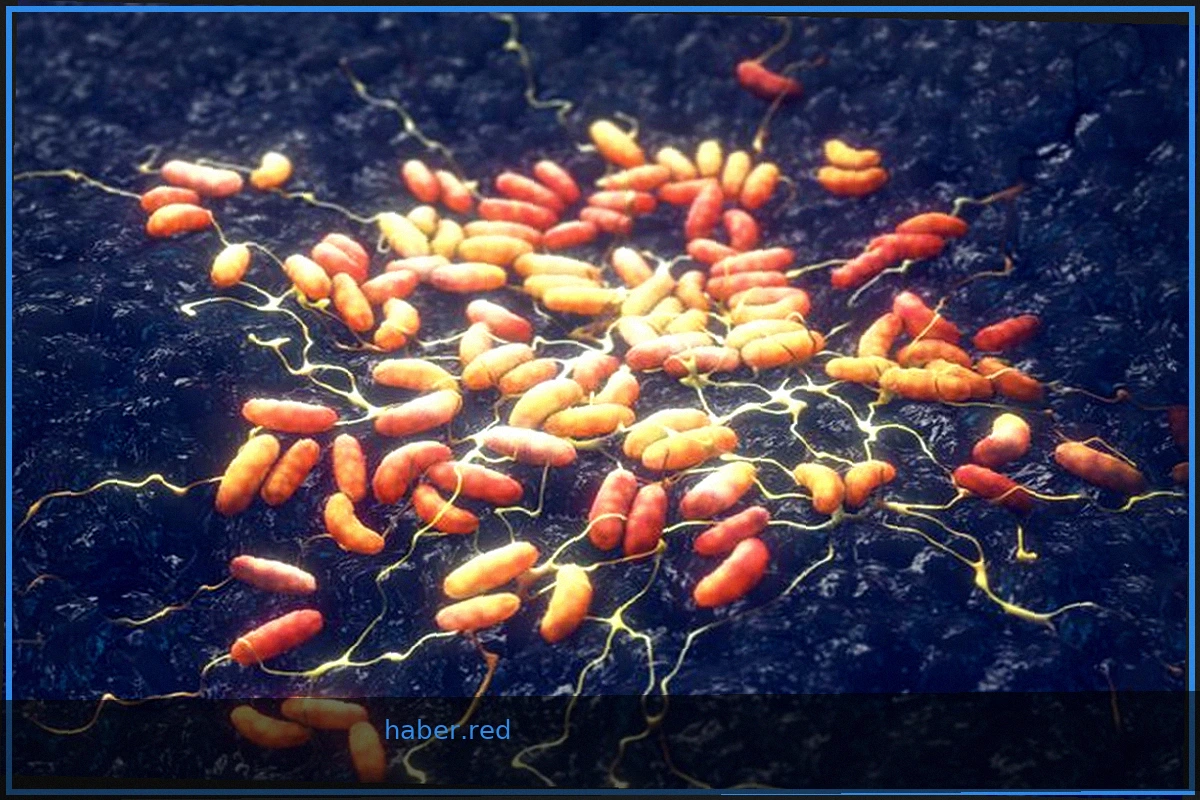
Suspected Pneumonic Plague Case Sparks Outbreak Fears
Russian authorities reported a pneumonia death of unknown cause in an employee at a Siberian lab that studies infectious diseases. The World Health Organization (WHO) is monitoring the situation and collaborating with Russian health officials. The WHO stated that while the woma

Gene Therapy and Special Goggles Restore Limited Vision
A new experimental treatment, coupled with custom-designed goggles, is allowing some blind individuals to perceive their surroundings. This advancement enables them to locate doorways and identify objects.
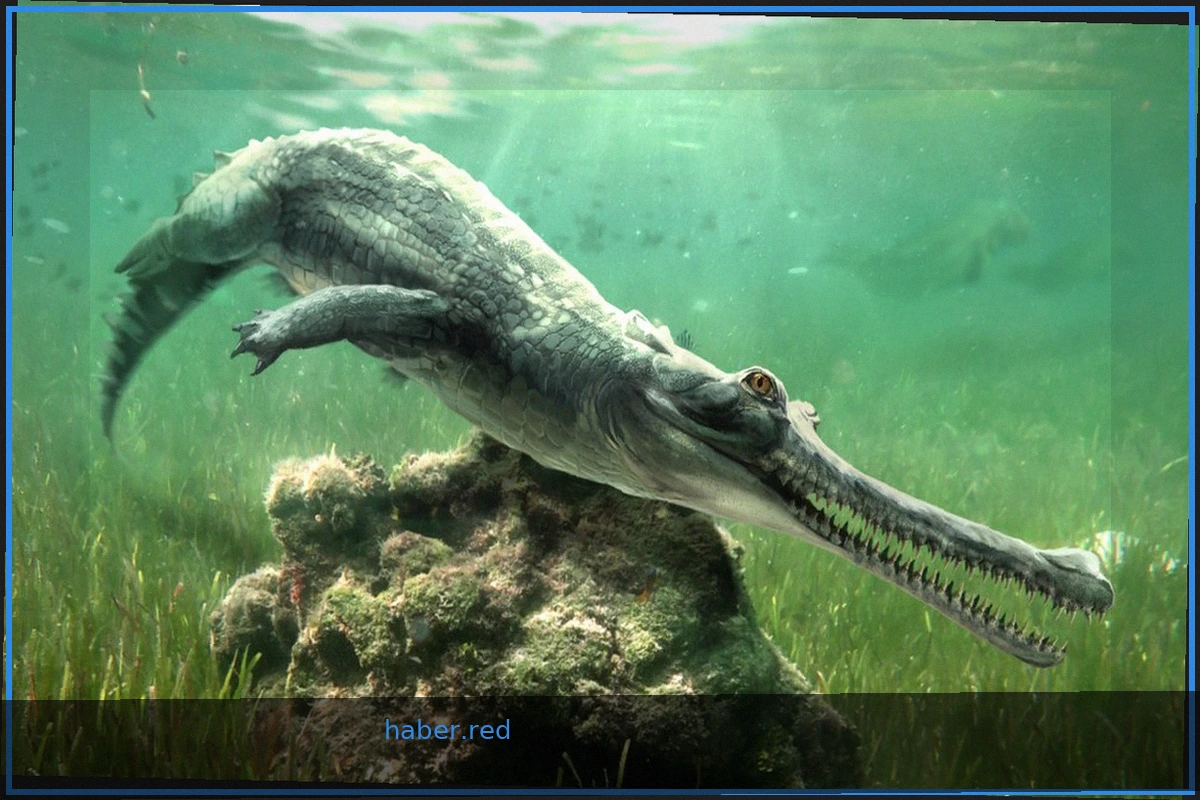
Extinct Crocodilian Fossils Discovered in Great Sphinx Limestone
Fossils of an extinct crocodilian, identified as Herugavialis, were found embedded in the limestone quarried for the Great Sphinx. Notably, this ancient reptile, much like the iconic statue it shares its origin stone with, appears to be missing its nose. The discovery of Herugavialis with

Blockbuster Retatrutide Trial: A New Benchmark for Weight-Loss Drugs
The experimental weight-loss drug retatrutide has reached a significant milestone: a Phase 3 clinical trial showed participants with type 2 diabetes losing up to 49.6 pounds, or over 20 percent of their body weight. Eli Lilly, the drug's developer, reported this as a first for the field.

NASA Pursues Uncrewed and Crewed Missions with Boeing's Starliner
Boeing's Starliner spacecraft will attempt to fly NASA astronauts to space again, this time following an uncrewed test flight to the International Space Station (ISS). NASA administrator Bill Nelson announced that the capsule is scheduled for an uncrewed mission as early as December. This represe

TikTok promotes home remedy that risks botulism
A homemade concoction of garlic fermented in honey, trending on TikTok for its supposed immune-boosting properties, carries a serious risk of causing botulism, according to health experts. Influencers on the platform are promoting this mixture in numerous videos, claiming it