When Were Dogs Domesticated? The Oldest Known Dog DNA Offers Clues
The precise timeline and geographical origin of dog domestication remain one of humanity's most intriguing mysteries. For generations, researchers have endeavored to pinpoint the exact moment and location where our faithful canine companions first diverged from their wild wolf ancestors. Thanks to significant advancements in ancient DNA analysis, critical new insights are now emerging, shedding light on this complex puzzle and potentially reshaping our understanding.
Groundbreaking studies involving the genetic material extracted from ancient dog remains, some dating back tens of thousands of years, are providing the most direct evidence to date. By meticulously sequencing the genomes of these early canids, scientists can meticulously trace evolutionary relationships and estimate divergence times with unparalleled accuracy. These genetic blueprints suggest that dogs may have been domesticated much earlier than previously conceived, possibly spanning a broad period from 15,000 to over 40,000 years ago.
Furthermore, the accumulating ancient DNA evidence hints at potentially multiple origins, challenging the long-held "single origin" theory. Some research points towards an initial domestication event in East Asia, while other findings suggest Siberia or even various regions across Europe. The inherent complexity of these discoveries indicates that domestication might have been a more gradual, multi-faceted process, potentially occurring in distinct geographical areas over extended periods. Subsequent migrations and interbreeding events have further intricate the genetic landscape of modern dogs. Each newly discovered fragment of ancient dog DNA brings us incrementally closer to unraveling the fascinating, multifaceted story of our oldest and most loyal animal friends.
Fresh materials — Science News
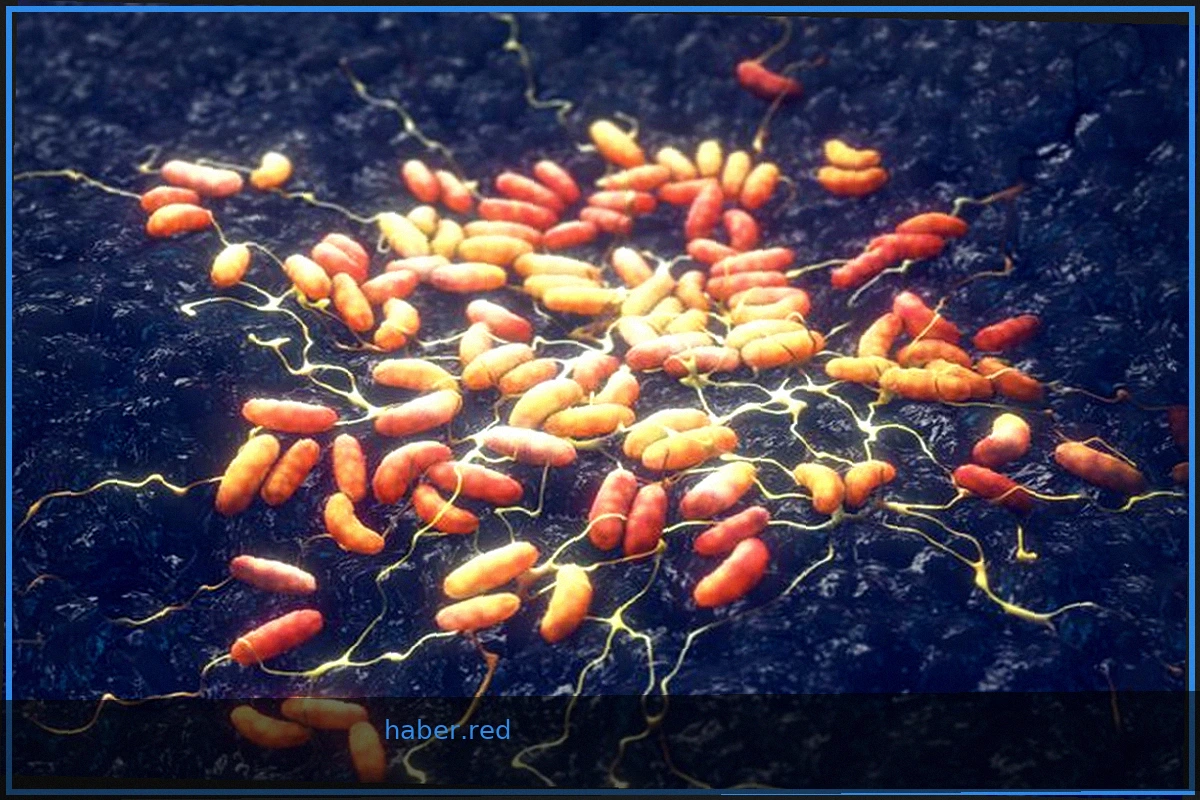
Suspected Pneumonic Plague Case Sparks Outbreak Fears
Russian authorities reported a pneumonia death of unknown cause in an employee at a Siberian lab that studies infectious diseases. The World Health Organization (WHO) is monitoring the situation and collaborating with Russian health officials. The WHO stated that while the woma

Gene Therapy and Special Goggles Restore Limited Vision
A new experimental treatment, coupled with custom-designed goggles, is allowing some blind individuals to perceive their surroundings. This advancement enables them to locate doorways and identify objects.
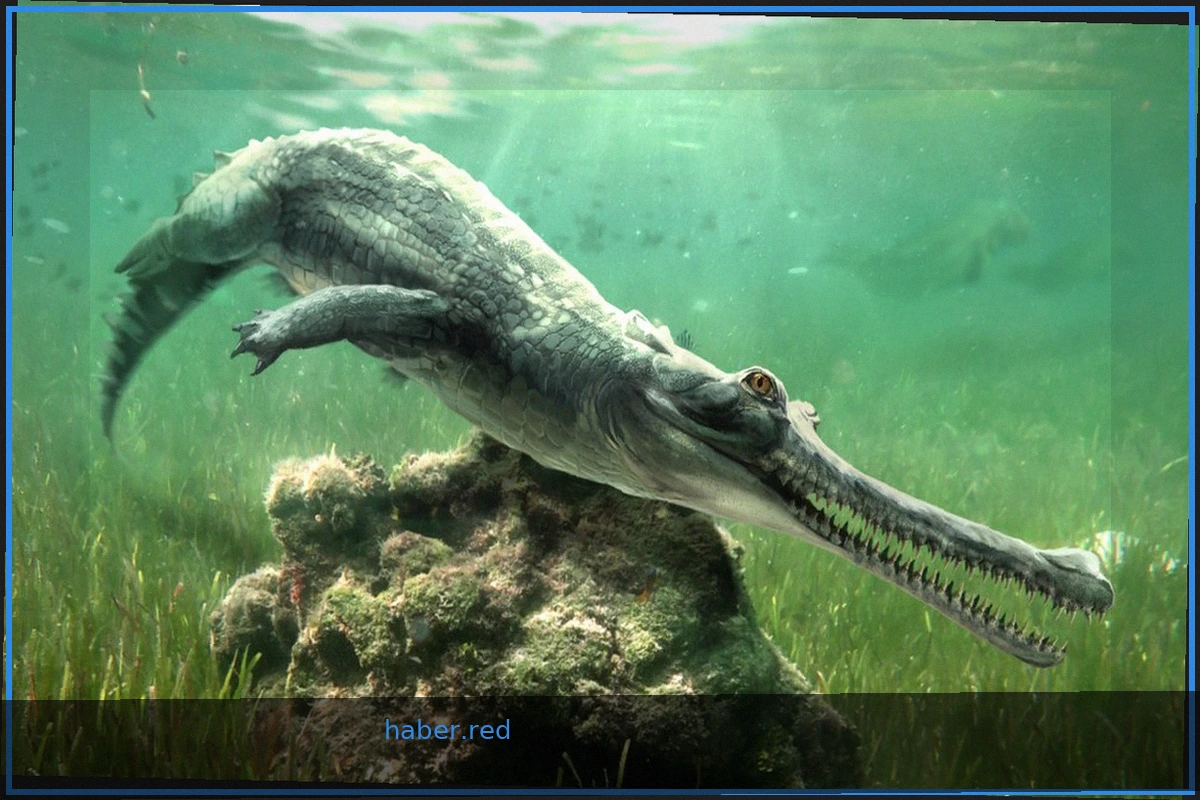
Extinct Crocodilian Fossils Discovered in Great Sphinx Limestone
Fossils of an extinct crocodilian, identified as Herugavialis, were found embedded in the limestone quarried for the Great Sphinx. Notably, this ancient reptile, much like the iconic statue it shares its origin stone with, appears to be missing its nose. The discovery of Herugavialis with

Blockbuster Retatrutide Trial: A New Benchmark for Weight-Loss Drugs
The experimental weight-loss drug retatrutide has reached a significant milestone: a Phase 3 clinical trial showed participants with type 2 diabetes losing up to 49.6 pounds, or over 20 percent of their body weight. Eli Lilly, the drug's developer, reported this as a first for the field.

NASA Pursues Uncrewed and Crewed Missions with Boeing's Starliner
Boeing's Starliner spacecraft will attempt to fly NASA astronauts to space again, this time following an uncrewed test flight to the International Space Station (ISS). NASA administrator Bill Nelson announced that the capsule is scheduled for an uncrewed mission as early as December. This represe

TikTok promotes home remedy that risks botulism
A homemade concoction of garlic fermented in honey, trending on TikTok for its supposed immune-boosting properties, carries a serious risk of causing botulism, according to health experts. Influencers on the platform are promoting this mixture in numerous videos, claiming it