First Basic Higher Education Diplomas to be Issued in Russia from 2027
MOSCOW, Aug 16 - RIA Novosti. The first graduates to receive new-style diplomas for basic higher education, as part of a pilot project transitioning to a new educational model, will be awarded them starting in 2027. These documents will now indicate a specific qualification, Russian universities informed RIA Novosti.
Currently, six universities in the Russian Federation are participating in this pilot project, which began in 2023. This means that in the summer of 2027, their graduates will receive diplomas not with a general designation like 'bachelor,' but with a concrete qualification, according to MISiS, the National University of Science and Technology.
Andrey Voronin, Vice-Rector for Education at NUST MISiS, stated that university graduates will enter the job market with qualifications such as 'Engineers for Nanomaterial Production Technology Support,' 'Physicists,' 'Business Analysts,' 'Software Engineers,' and so on.
Alexey Lubkov, Rector of the Moscow Pedagogical State University, explained that the specific qualification awarded will depend on the level of education, the field of study, and the program's focus. The list of qualifications is determined by the educational standard, which each participating pilot university develops independently, taking professional standards into account.
"Universities participating in the pilot project, aimed at changing the levels of professional education, preliminarily coordinate diploma designs with the Ministry of Science and Higher Education of the Russian Federation – the official project operator. Diploma designs are developed based on recommendations from the Ministry of Science and Higher Education of Russia," Lubkov added.
The pilot project for transitioning to a new higher education system was launched in 2023 and currently involves 17 universities. Within this pilot, students receive basic higher education (lasting 4 to 6 years) and specialized higher education (1-2 years). Graduates of the specialized higher education level, which is equivalent to a master's degree, have already been entering the labor market for three years with new-style diplomas.
Paraphrased Text (English)
Russia is set to issue its first diplomas for basic higher education under a new academic model starting in 2027. These updated diplomas will clearly state a graduate's specific qualification, as reported by Russian universities to RIA Novosti.
Six Russian universities are currently trialing this new system, which commenced in 2023. Consequently, their graduates in the summer of 2027 will be presented with diplomas that detail a precise qualification rather than a broad term like 'bachelor,' according to MISiS, the National University of Science and Technology.
Andrey Voronin, Vice-Rector for Education at NUST MISiS, elaborated that graduates will be qualified for roles such as 'Nanomaterial Production Technology Support Engineers,' 'Physicists,' 'Business Analysts,' and 'Software Engineers,' among others.
Alexey Lubkov, Rector of the Moscow Pedagogical State University, clarified that the assigned qualification will be determined by the educational level, study area, and program specialization. The range of qualifications is outlined in the educational standard, which participating pilot universities formulate independently, aligning with professional standards.
"Universities involved in this pilot project, designed to reform professional education levels, will have their diploma formats pre-approved by the Russian Ministry of Science and Higher Education, the project's official administrator. The Ministry of Science and Higher Education of Russia provides guidelines for these diploma designs," Lubkov further explained.
The pilot initiative for a new higher education framework began in 2023, with 17 universities currently participating. Under this pilot, students can pursue either basic higher education, lasting four to six years, or specialized higher education, taking one to two years. Graduates from the specialized higher education level, considered equivalent to a master's degree, have been receiving these new-style diplomas for the past three years.
Fresh materials — Society News
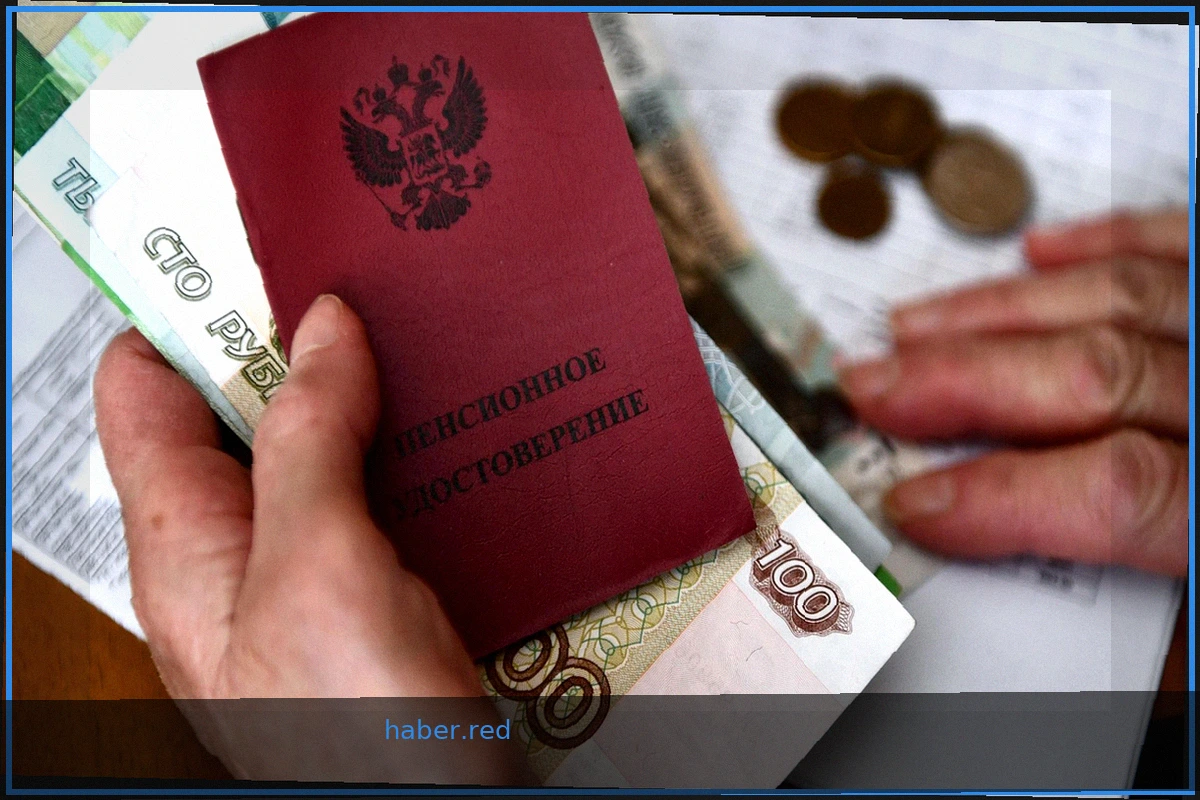
All Pension Types in Russia to Increase in 2027
In 2027, Russia will increase all pension categories: insured, social, and military. Insured pensions are set for two adjustments: a 6.8% rise in February and another 3.3% in April. Working pensioners will receive an additional recalculation in August. Social pensions are projected t
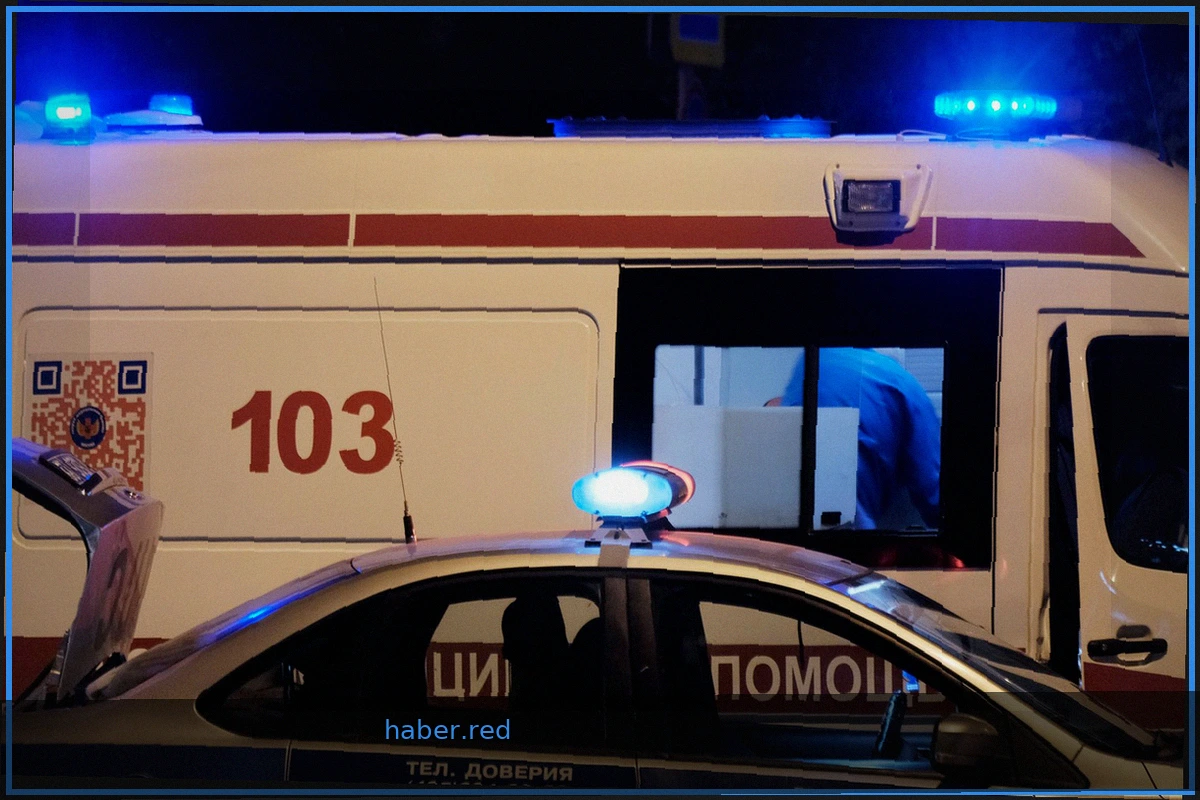
Injured Guards Hospitalized After Prisoner Attack on Train in Kabardino-Balkaria
Three convoy guards injured during an attack by a convicted prisoner on a train in Kabardino-Balkaria have been hospitalized, law enforcement sources told RIA Novosti. Earlier, the Federal Penitentiary Service of Russia reported that a convicted individual seized a guard's weapon and atta

Trump: Iran Should "Do the Right Thing" to End Conflict
President Donald Trump called on Iran's leadership to "do the right thing" regarding a deal with the United States, stating that doing so would end the conflict. Trump said the situation involving Iran would conclude soon, provided the Iranian side "does something right." He expressed a p
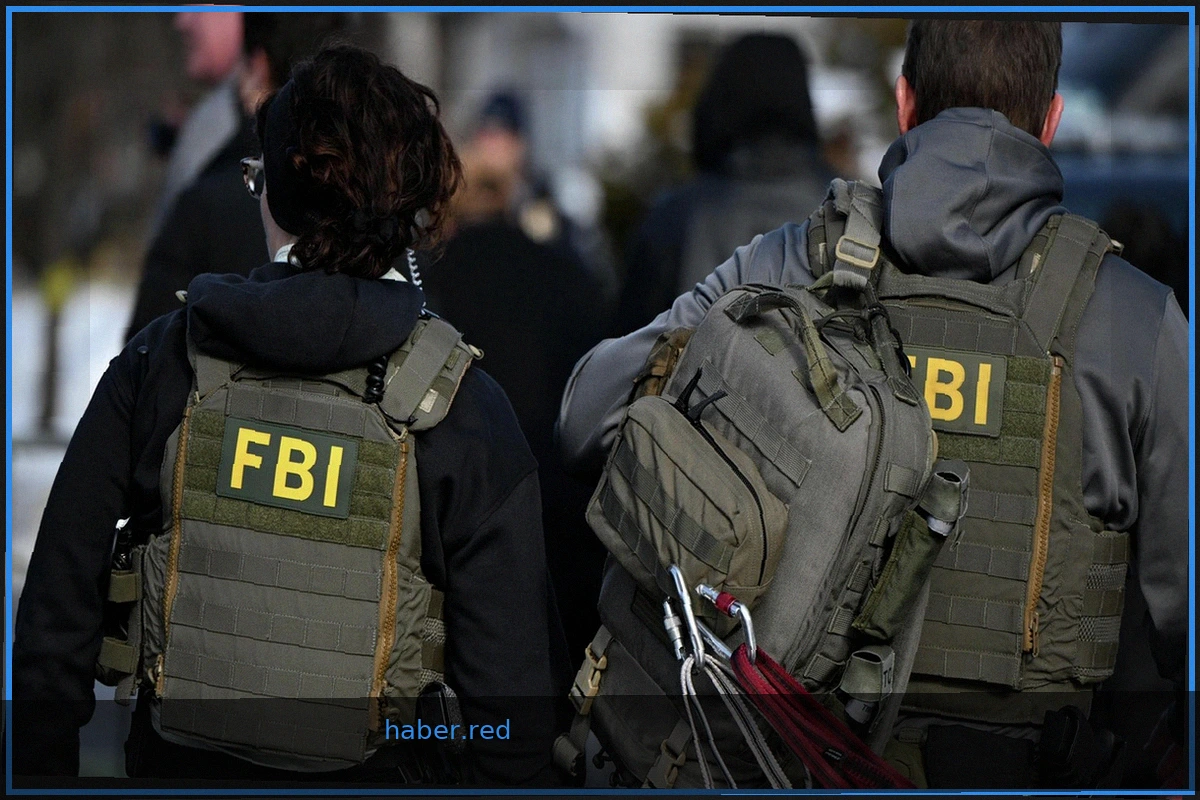
US Energy Department Employee Arrested for Alleged Support of Houthis
Federal Bureau of Investigation (FBI) agents have arrested a US Department of Energy employee. The charges allege an attempt to provide material support to the 'Ansar Allah' movement in northern Yemen, known as the Houthis. The US has designated this group a terrorist organization. Ashton
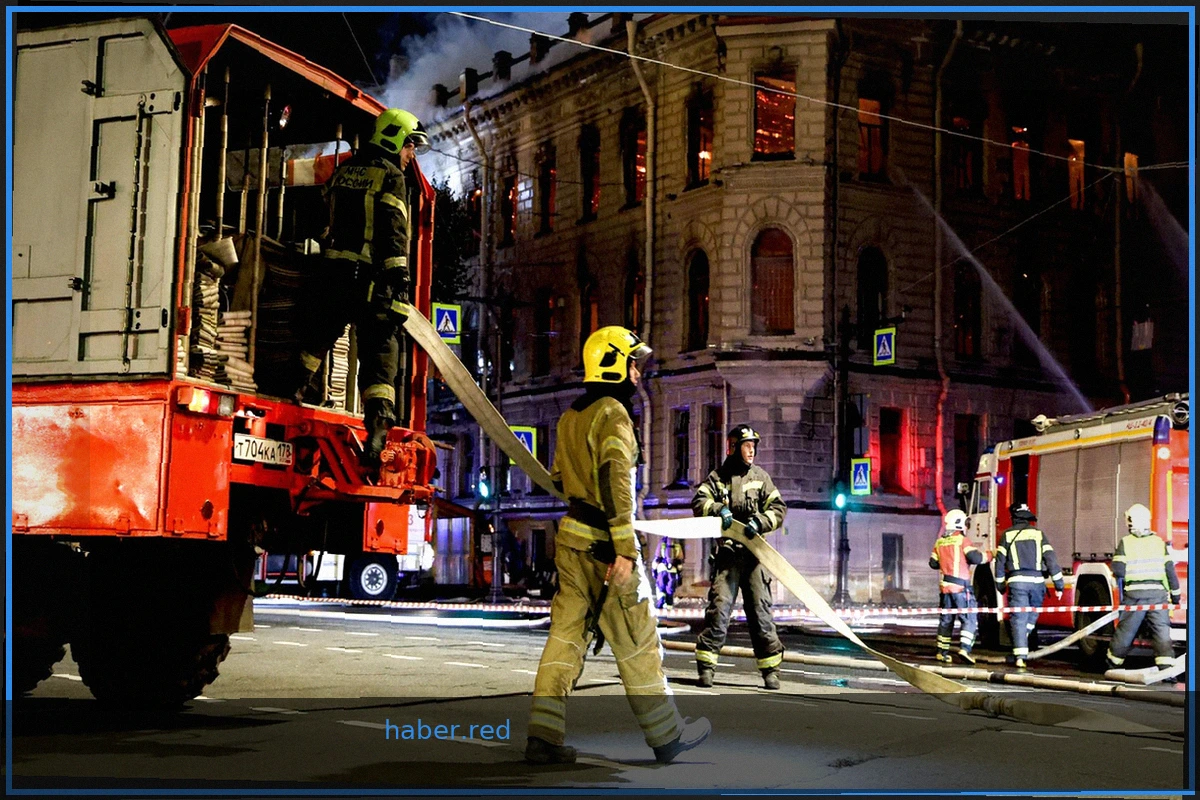
Fire Erupts in St. Petersburg's Historic Miller Mansion; Nearby Residents Evacuated
Residents of a building adjacent to the burning historic Miller Mansion in central St. Petersburg have been evacuated. Authorities will provide accommodation in an educational institution if needed, according to the administration of the Admiralteysky district. Emerg
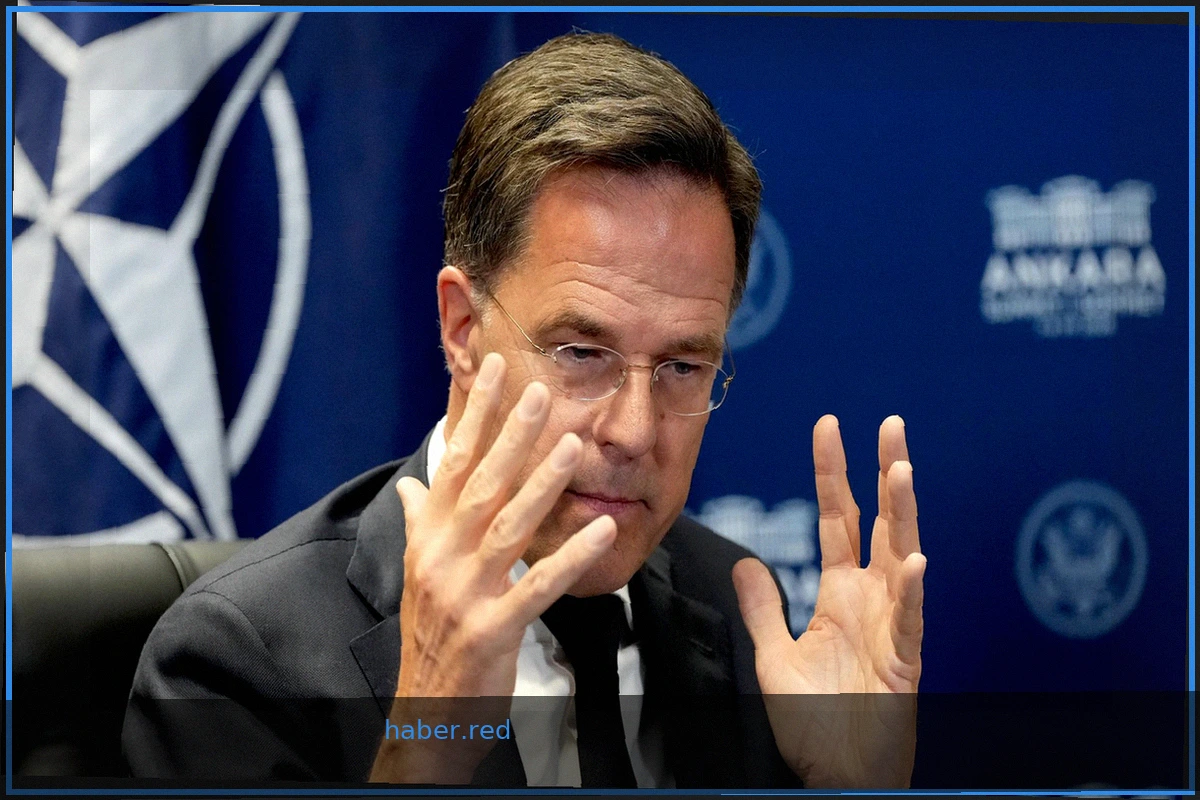
Italy Catches Rutte in Lie After Statements on Russia
NATO Secretary General Jens Stoltenberg’s assertion that Russia poses no threat and that there is no serious risk of escalation or nuclear weapon use in Europe is at odds with the alliance’s preparation for a supposed inevitable confrontation with Moscow, according to Italy's IL Fatto Quotidiano.