Russian Industry in 2026: Drivers of Stability Amidst Sanctions
In early 2026, Russian industrial production experienced a slight decline of 0.8% compared to the same period in the previous year. However, certain manufacturing sectors are demonstrating robust growth, significantly contributing to the country's economic resilience. Among the leading growth areas are medicine and pharmaceuticals, the production of electronic products, and other transport equipment.
- Production of medicines and materials used for medical and veterinary purposes: 8.3%;
- Production of computers, electronic, and optical products: 7.3%;
- Production of other transport vehicles and equipment: 19.8%.
Medical Industry Among Leaders
The medical device market is currently undergoing substantial transformations. While high-tech sectors (such as MRI and ultrasound equipment) still largely depend on imports, Russian manufacturers are actively expanding their presence in basic medical products, with pharmaceuticals showing particular strength.
This surge in production is fueled by increased demand for domestic goods, alongside active state support measures, including restrictions on the procurement of foreign goods. Grants, social tax benefits, and adaptive pricing policies further underpin the stability of these industries. Russian products are frequently 2-3 times more affordable than their foreign counterparts while maintaining comparable quality, and delivery times for imported goods can often stretch to several months. These factors contribute to competitive pricing, facilitated by localized production and technological processes.
Despite these positive trends, the share of domestic products in the market currently does not exceed 30%. To effectively compete with international companies, established technologies, reliable access to components, and an attractive investment climate are essential.
Obstacles to Growth
Complexities such as lengthy registration periods with Roszdravnadzor (the federal service for surveillance in healthcare) and difficulties in obtaining necessary documents from the Ministry of Industry and Trade significantly impede the development of manufacturers. The procedure for confirming the Russian origin of products is so bureaucratic that it requires years of effort, even with professional consultants. Moreover, the development of new products is inherently a costly and time-consuming process.
The crucial question of how to foster greater trust in domestic products remains pertinent. Doctors could play a pivotal role in this regard by communicating the advantages and prospects of Russian goods to the public. Many manufacturers are proactively working on the clinical approbation of their equipment. Despite various challenges, it is evident that Russian industrial production is gaining momentum, and, paradoxically, the imposition of sanctions has served as a catalyst for this growth.
Another Challenge: Personnel Shortage
The deficit of qualified personnel in the medical equipment industry mirrors a broader issue across many technological manufacturing sectors. There is a noticeable shortage of medical engineers and mid-level technical staff. Current production facilities often rely on specialists from an older generation, as younger generations infrequently opt for technical professions.
Comprehensive and multi-faceted measures to enhance the attractiveness of technical specialties—such as establishing modern vocational schools and investing in high-tech industries—will be instrumental in addressing this problem. The appeal of these professions will naturally increase in environments where there is genuine interest, clear career prospects, and fair remuneration.
Fresh materials — Society News
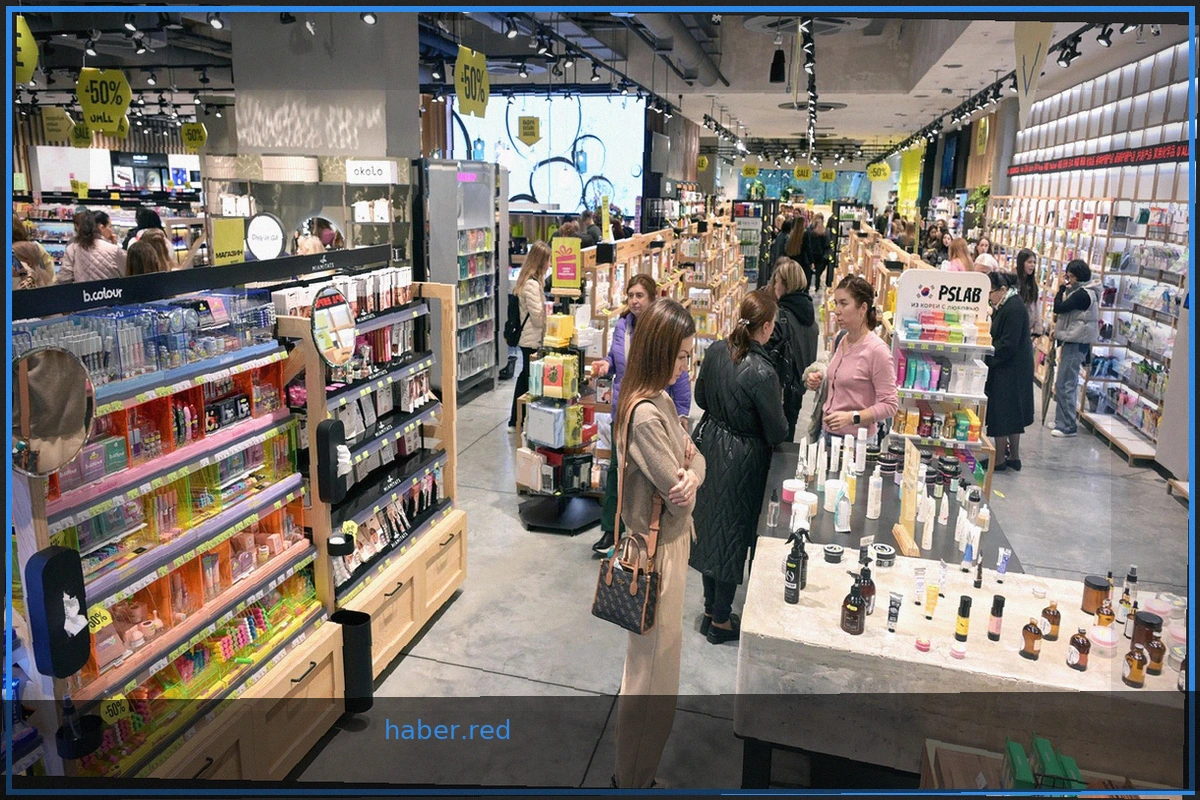
Five Foreign Brands Entered the Russian Market in Nine Months
Five foreign brands launched on the Russian market within the first three quarters of 2026. Among the new names are Austria's Zanier, a Russian-Chinese venture "Polaris | TCL," Armenian restaurant brand IYKYK, and China's Much Fun. Additionally, five international retailers, previously op

Russian Game Developers Gain Global Recognition
Russian game developers are recognized worldwide for their original game mechanics, high-quality technical solutions, and their ability to deliver complete projects. The "Moscow Video Game Export" program, active since 2025, systematically assists Moscow-based studios in securing export c
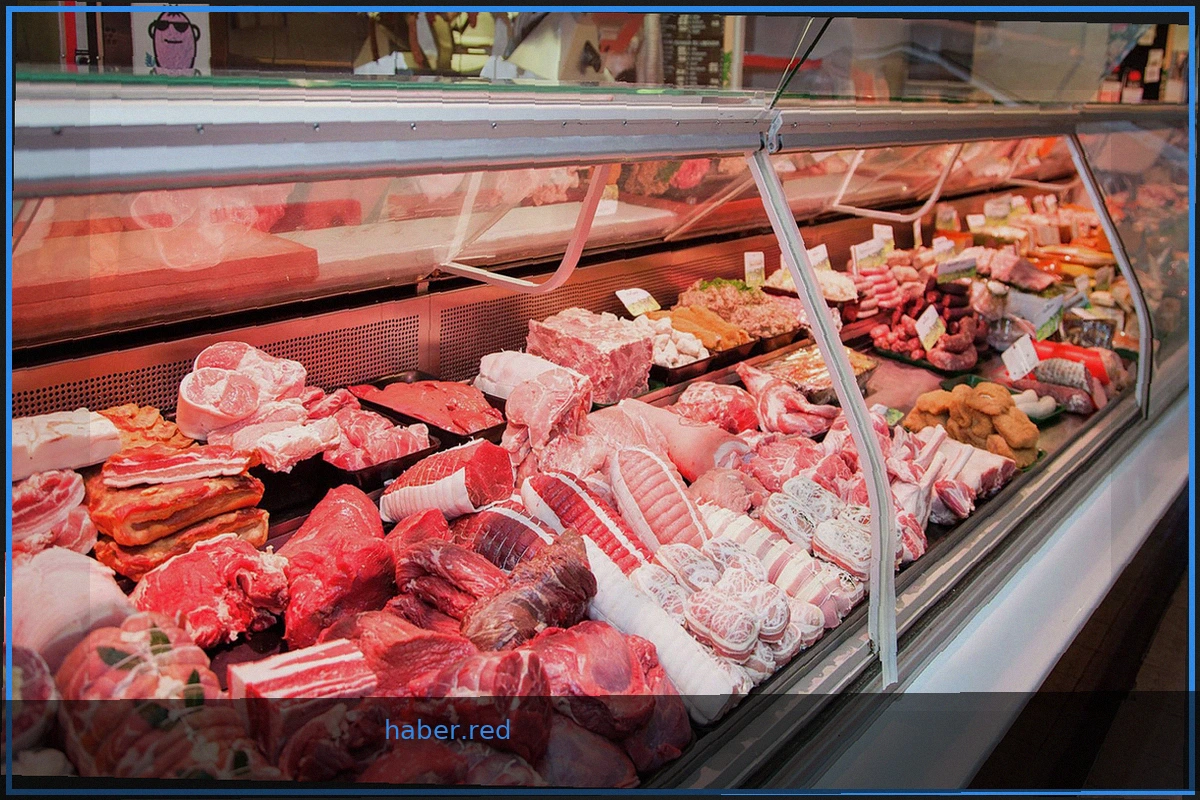
Russia's Meat Self-Sufficiency Exceeds 100% for Fourth Consecutive Year
Russia has fully provided for its own meat needs for four years in a row. In 2025, the country’s self-sufficiency in meat reached 102.2%, according to Rosstat data analyzed by RIA Novosti. The 100% mark was first surpassed in the modern era in 2020, with 100.1%. Following a slight dip to 99
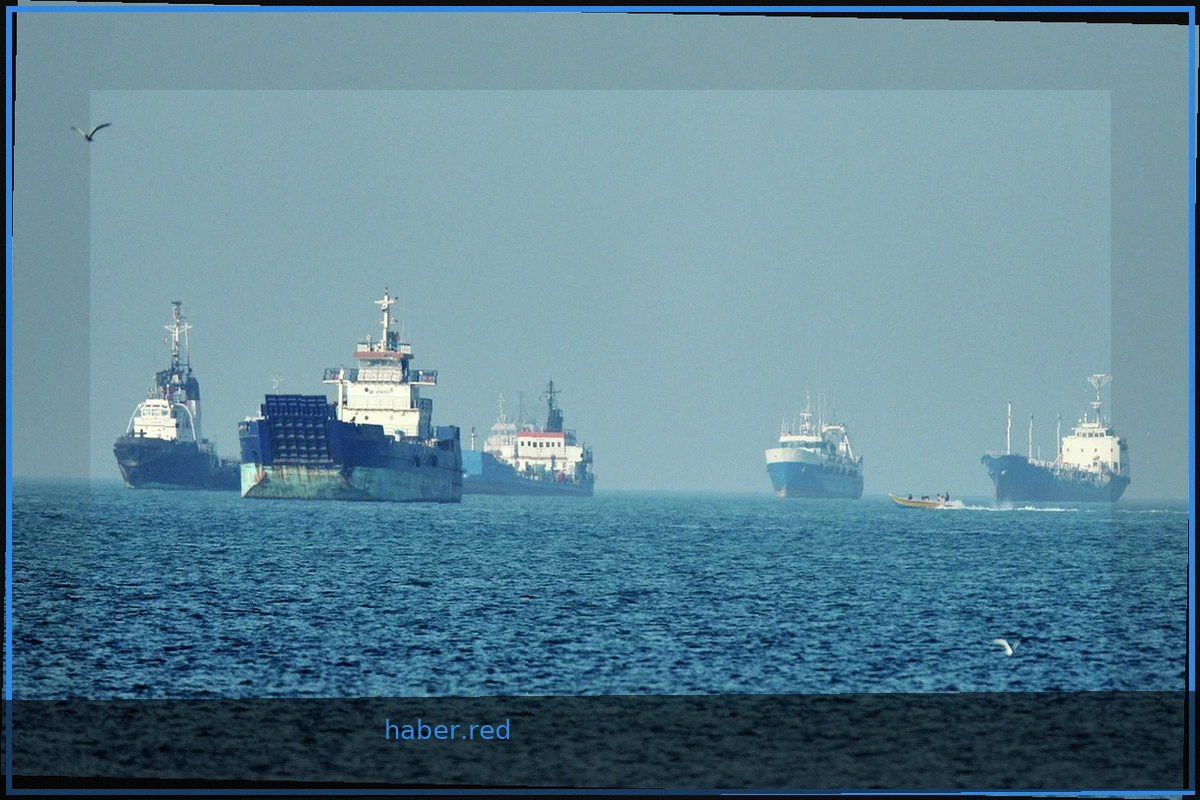
Iran and Oman Agree on Safe Passage Through Strait of Hormuz
Iran and Oman have reached an agreement regarding safe passage routes through the Strait of Hormuz. Iran's Foreign Ministry spokesperson, Esmaeil Baghaei, stated that details of these agreed-upon routes will be communicated to the relevant international body, as reported by Press TV. The ag
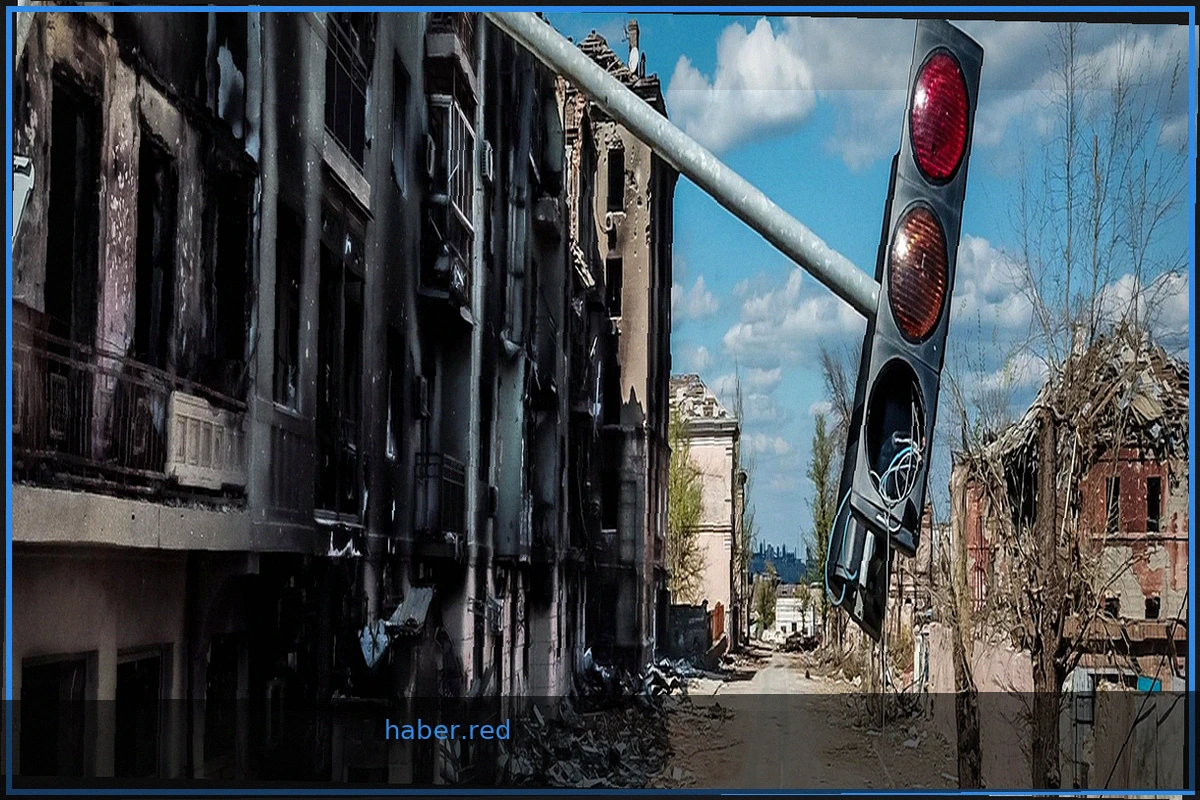
Kyiv Air Raid Alert Declared
Air raid sirens have been declared in Kyiv, as shown by data from the Ukrainian Ministry of Digital Transformation's online map. The alert in the Ukrainian capital began at 23:30 Moscow time. Sirens are also active in parts of Ukraine's Poltava and Chernihiv regio
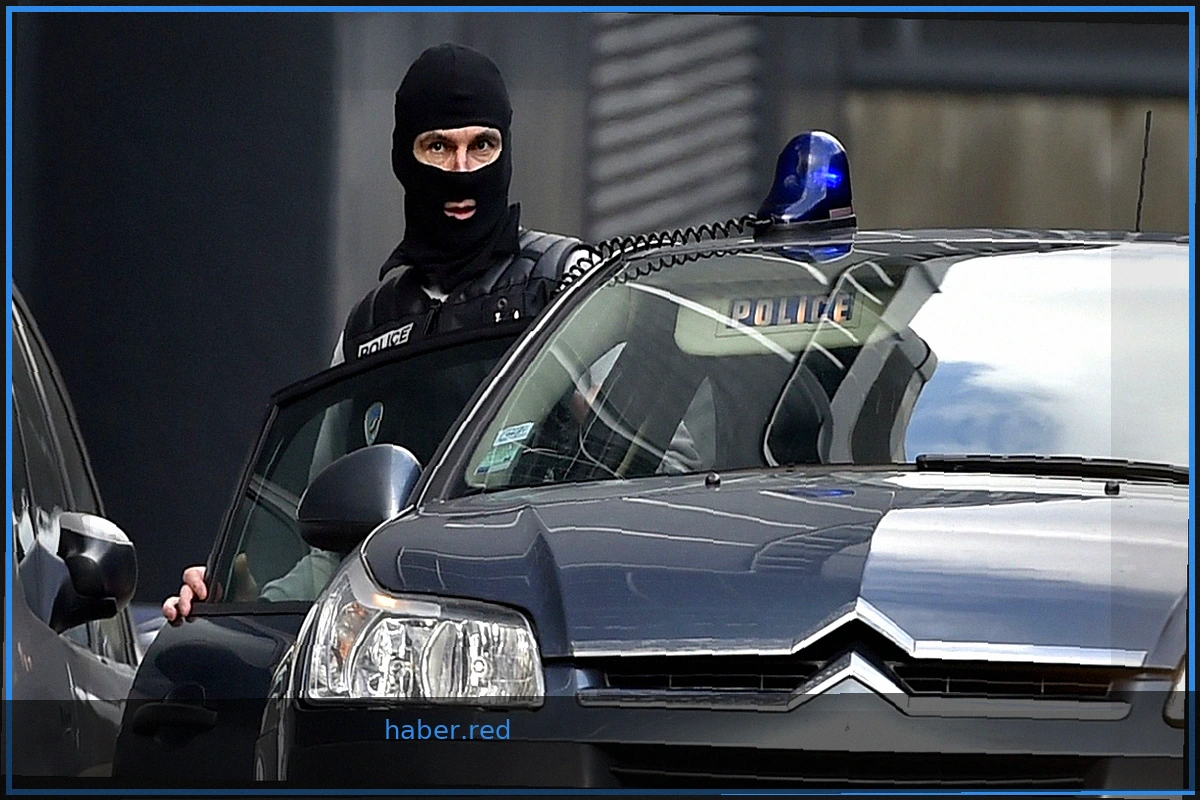
French Intelligence Mistook Institute for Internet Development for Iran
Arnaud Frilley, director of the Sergei Rachmaninoff Conservatory in Paris and a producer, recounted an incident where French intelligence services interrogated him about supposed ties to Iran. The confusion arose because they mistook the Institute for Internet Development (IRI) for th