Suspected Pneumonic Plague Case Sparks Outbreak Fears
Russian authorities reported a pneumonia death of unknown cause in an employee at a Siberian lab that studies infectious diseases. The World Health Organization (WHO) is monitoring the situation and collaborating with Russian health officials.
The WHO stated that while the woman's cause of death is unconfirmed, preliminary tests on her contacts have not detected dangerous infectious pathogens.
Understanding Plague
Plague is an infectious disease caused by the bacterium Yersinia pestis, infamous for the Black Death in the 14th century.
Three forms exist: bubonic (swollen lymph nodes, spread by flea bites or animal contact), septicemic (bloodstream infection, similar spread), and pneumonic (lung infection, typically inhaled droplets).
Plague's Danger Level
Plague's severity depends on the form and treatment availability. While antibiotics are effective if given early, untreated pneumonic plague, which affects the lungs, has a nearly 100 percent mortality rate and can be fatal rapidly once it reaches the bloodstream or lungs.
"What we do worry about the most is pneumonic plague," says Richard Martinello, a professor at Yale School of Medicine. "People who are sick with pneumonia due to Y. pestis can produce droplets that contain the bacteria, and we know that they could be highly contagious and readily spread the Y. pestis to other people."
Pneumonic plague requires prompt antibiotic intervention. Without it, the infection can be unstoppable.
Global Threat Assessment
Pneumonic plague can spread person-to-person via respiratory droplets. Recent cases, including a fatal one in Arizona in July 2025, highlight its continued presence.
However, based on the current information about a single suspected case in Russia, global spread is less of an immediate concern for experts like Martinello. He notes, "Still, he adds, 'I don’t think we are going to see a great deal of spread by this.'"
Martinello stated that significant and rapid spread would raise concerns about the specific strain of Yersinia pestis involved. The WHO and the White House are closely observing the situation.
"Because this is so contagious and so deadly..., it really relies on that effective public health effort in a timely manner," Martinello concludes.
Fresh materials — Science News
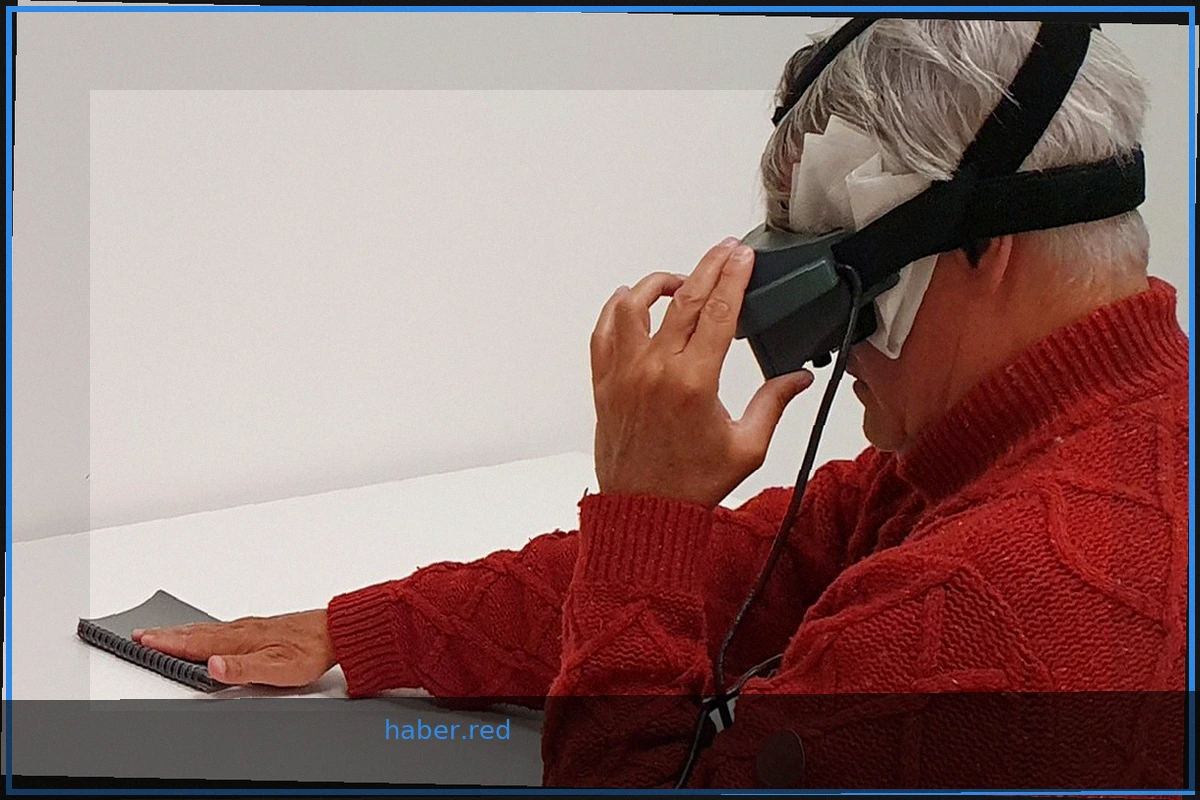
Gene Therapy and Special Goggles Restore Limited Vision
A new experimental treatment, coupled with custom-designed goggles, is allowing some blind individuals to perceive their surroundings. This advancement enables them to locate doorways and identify objects.
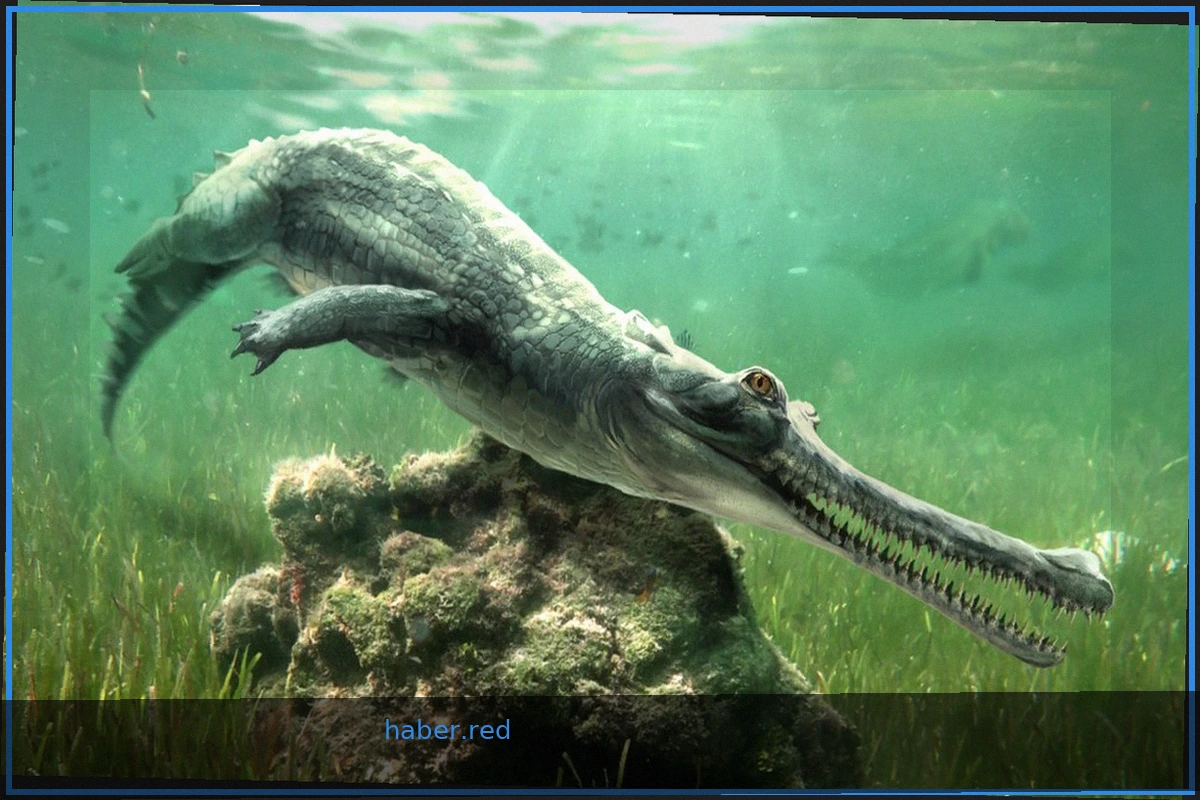
Extinct Crocodilian Fossils Discovered in Great Sphinx Limestone
Fossils of an extinct crocodilian, identified as Herugavialis, were found embedded in the limestone quarried for the Great Sphinx. Notably, this ancient reptile, much like the iconic statue it shares its origin stone with, appears to be missing its nose. The discovery of Herugavialis with

Blockbuster Retatrutide Trial: A New Benchmark for Weight-Loss Drugs
The experimental weight-loss drug retatrutide has reached a significant milestone: a Phase 3 clinical trial showed participants with type 2 diabetes losing up to 49.6 pounds, or over 20 percent of their body weight. Eli Lilly, the drug's developer, reported this as a first for the field.

NASA Pursues Uncrewed and Crewed Missions with Boeing's Starliner
Boeing's Starliner spacecraft will attempt to fly NASA astronauts to space again, this time following an uncrewed test flight to the International Space Station (ISS). NASA administrator Bill Nelson announced that the capsule is scheduled for an uncrewed mission as early as December. This represe

TikTok promotes home remedy that risks botulism
A homemade concoction of garlic fermented in honey, trending on TikTok for its supposed immune-boosting properties, carries a serious risk of causing botulism, according to health experts. Influencers on the platform are promoting this mixture in numerous videos, claiming it

Trump's Proposed Executive Order on NIH Funding: A Threat to Scientific Independence and Innovation
A reported plan by President Donald Trump to establish a committee that would oversee, and potentially veto, scientific grants from the nation's leading health agency could diminish U.S. scientific and innovation leadership, according to advocates and researchers. This proposed