Russians Warned: Risks of Buying Willow Branches from Street Vendors
As Palm Sunday approaches, street vendors traditionally begin selling willow branches. However, this type of street trade is not always legal and can lead to various forms of liability. Experts have issued warnings regarding the potential legal risks involved.
Lawyer Lyudmila Ayvar explained that cutting willow branches without proper authorization can be considered a violation of environmental protection laws. Depending on the specific circumstances, this could result in administrative penalties (under Articles 8.25 or 8.28 of the Code of Administrative Offenses of the Russian Federation), and in cases of significant damage, potentially even criminal liability (under Article 260 of the Criminal Code of the Russian Federation).
It's important to distinguish between the parties involved. Typically, responsibility falls on those who harvest and sell the willow. A buyer is usually not considered an accomplice, as their actions generally lack the intent to commit an offense.
"However, the line can be thin. If it's not a spontaneous purchase but a prior agreement—essentially an order for illegal harvesting—it could be qualified as complicity," Ayvar clarified.
According to her, this represents a systemic issue: legislation is designed to protect natural resources and does not provide exceptions for traditional customs, yet a transparent mechanism for legal harvesting and sale is absent. As a result, this practice recurs annually, and law enforcement remains selective.
Lawyer Alexander Khaminsky added that willow itself is not listed in the Red Book of endangered species. In practice, sellers are more frequently held accountable not for cutting branches, but for trading in unauthorized locations—such as near metro stations, at bus stops, or along roadsides.
"The amount of the fine typically ranges from 500 to 2000 rubles, although regional authorities are constantly discussing increasing these penalties," Khaminsky noted.
Furthermore, strict restrictions on collecting rare plants and mushrooms listed in the Red Book remain in effect. Violation of these norms can lead to fines ranging from 2,500 to 5,000 rubles for citizens. Separately, lawyer Olesya Slezkin reminded that administrative and criminal liability can also apply to cultivating Salvia divinorum (Diviner's Sage) on personal plots.
Fresh materials — Society News

Five Foreign Brands Entered the Russian Market in Nine Months
Five foreign brands launched on the Russian market within the first three quarters of 2026. Among the new names are Austria's Zanier, a Russian-Chinese venture "Polaris | TCL," Armenian restaurant brand IYKYK, and China's Much Fun. Additionally, five international retailers, previously op

Russian Game Developers Gain Global Recognition
Russian game developers are recognized worldwide for their original game mechanics, high-quality technical solutions, and their ability to deliver complete projects. The "Moscow Video Game Export" program, active since 2025, systematically assists Moscow-based studios in securing export c

Russia's Meat Self-Sufficiency Exceeds 100% for Fourth Consecutive Year
Russia has fully provided for its own meat needs for four years in a row. In 2025, the country’s self-sufficiency in meat reached 102.2%, according to Rosstat data analyzed by RIA Novosti. The 100% mark was first surpassed in the modern era in 2020, with 100.1%. Following a slight dip to 99
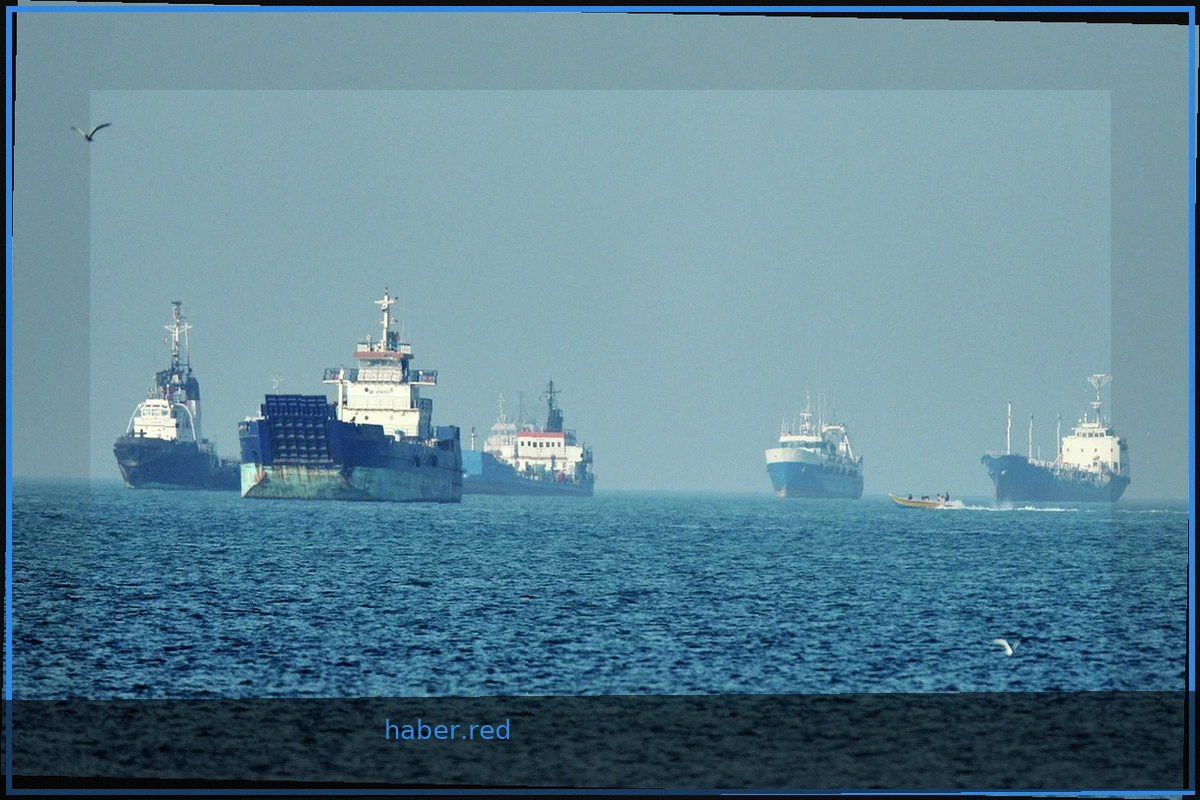
Iran and Oman Agree on Safe Passage Through Strait of Hormuz
Iran and Oman have reached an agreement regarding safe passage routes through the Strait of Hormuz. Iran's Foreign Ministry spokesperson, Esmaeil Baghaei, stated that details of these agreed-upon routes will be communicated to the relevant international body, as reported by Press TV. The ag

Kyiv Air Raid Alert Declared
Air raid sirens have been declared in Kyiv, as shown by data from the Ukrainian Ministry of Digital Transformation's online map. The alert in the Ukrainian capital began at 23:30 Moscow time. Sirens are also active in parts of Ukraine's Poltava and Chernihiv regio
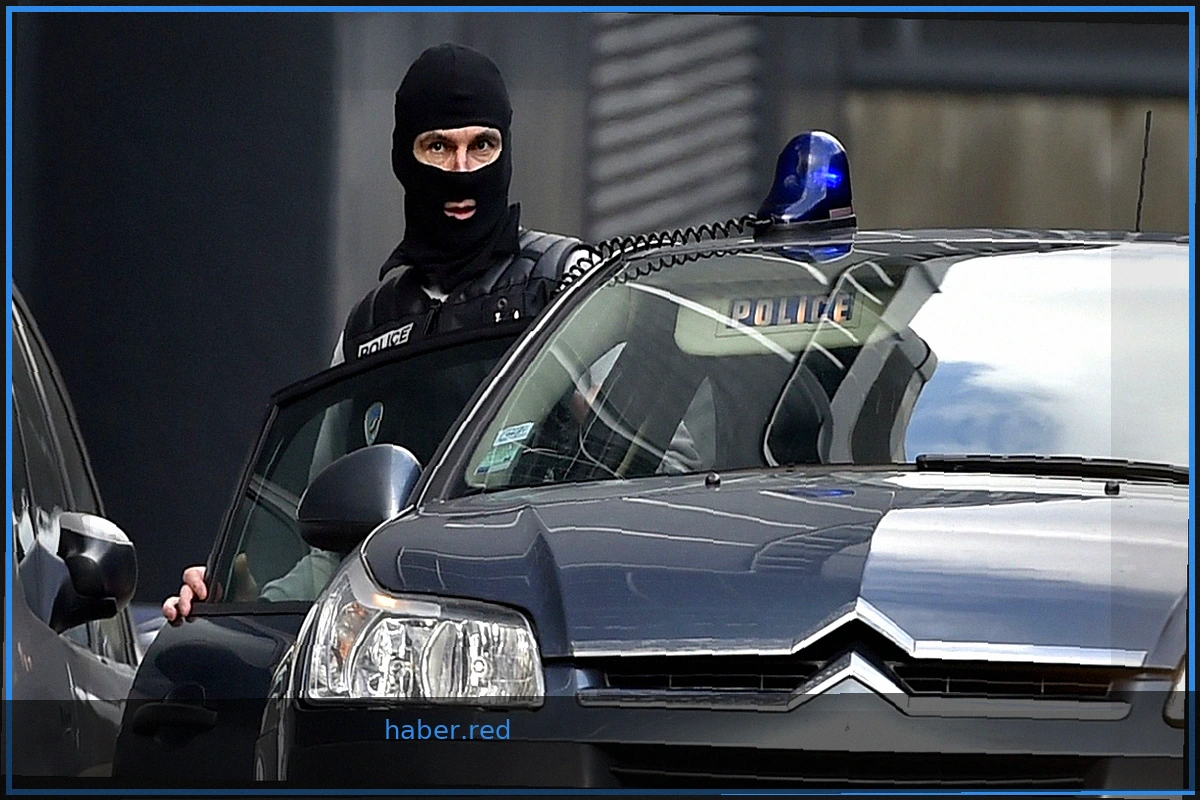
French Intelligence Mistook Institute for Internet Development for Iran
Arnaud Frilley, director of the Sergei Rachmaninoff Conservatory in Paris and a producer, recounted an incident where French intelligence services interrogated him about supposed ties to Iran. The confusion arose because they mistook the Institute for Internet Development (IRI) for th