Mathematician Yuri Osipov: We Preserved the Core of Russian Science
Yuri Osipov, a distinguished mathematician, celebrated his 90th birthday yesterday. He holds the record for the longest tenure as President of the Russian Academy of Sciences, serving from 1991 to 2013. During his four terms, he guided the academy through a profoundly challenging period in its history, safeguarding the nation's scientific potential.
"Vecherney Moscow" extended its congratulations to the mathematician and engaged in a discussion with him about the trajectory of modern science.
Yuri Sergeevich has adopted a personal principle: the older one gets, the less the desire for elaborate ceremonies. Consequently, no grand celebrations are planned for his upcoming anniversary in 2026.
— Yuri Sergeevich, you have made profound contributions to mathematics and received the nation's highest award, the Lenin Prize, at the age of 40. More recently, you were honored with the rare and esteemed title of Hero of Labor. Your work on differential equations is considered a classic. Are you still actively involved in scientific pursuits?
— Absolutely! Throughout my years as President of the Academy of Sciences, I longed to dedicate more time to active scientific research. I regularly participate in the meetings of the Department of Mathematical Sciences of the Russian Academy of Sciences. Until recently, I served as the editor-in-chief of the "Journal of Numerical Mathematics and Mathematical Physics." I am also a member of the editorial boards for "Differential Equations," "Mathematical Game Theory and its Applications," "In the World of Science," and the "Literary Monuments" series. A significant article of mine, focusing on the development of mathematical control theory, was published in the journal "Uspekhi Matematicheskikh Nauk" (Advances in Mathematical Sciences).
— In recent years, interest in science has been growing, largely driven by artificial intelligence, which sparks considerable debate. What are your thoughts on the prospects of AI?
— Computer technologies have emerged as a strategic direction in science. The Russian Academy boasts highly accomplished scientists in this field. I must highlight Academician Artyun Avetisyan, who leads the V. P. Ivannikov Institute of System Programming (ISP). His work in cybersecurity is at the forefront of global scientific advancement. The ISP RAS team includes many young mathematicians who are successfully working in the field of AI. They teach at the "Sirius" educational center and at the Presidential Lyceum in Sochi, which bodes well for the influx of new talent.
However, I do not share the unreserved enthusiasm for artificial intelligence. There is much that remains unclear in this domain, and the risks could potentially outweigh the benefits. We must proceed with caution and carefully consider the consequences of integrating computer technologies into our lives. I find the very term "artificial intelligence" to be somewhat problematic. What kind of intelligence is it? This concept is inherently linked to human consciousness and emotions, qualities that a computer cannot possess.
— Nevertheless, it is encouraging that we are discussing the achievements of our science. A few years ago, science was primarily discussed in relation to the mathematician Perelman, who declined the prestigious international prize of 1 million dollars. He worked at the V. A. Steklov Mathematical Institute, where you served as director.
— Evidently, societal demands were different at that time. I deeply regret that scientific achievements are rarely highlighted, with discourse often revolving around astrology, esotericism, and clairvoyance. This phenomenon reached such proportions that in 1998, the Russian Academy of Sciences established a Commission on Combating Pseudoscience, headed by the renowned scientist and Nobel laureate Vitaly Ginzburg.
— In American universities, students from China, Korea, and India are admitted to mathematics faculties, with domestic graduates struggling to compete. The situation with mathematics is so serious that a special commission was formed several years ago. It is possible that the global crisis the United States has led the world into is a consequence of poor mathematical preparation, as it forms the foundation of thought.
— The great German mathematician Carl Friedrich Gauss, an honorary corresponding member of the Russian Academy of Sciences, famously stated that mathematics is the queen of all sciences. The Russian mathematical school holds a leading position globally. Interest in the exact sciences is showing steady growth. We consistently win school mathematics olympiads. Our mathematicians, and not just Perelman, have produced a series of brilliant works. A Supercomputer Center has been established with domestic software and architectural support, achieving 50 trillion operations per second.
Without strong mathematics, successes in other scientific fields would be impossible. Russia has made significant breakthroughs in mega-projects, with powerful accelerators launched in Dubna, Novosibirsk, and St. Petersburg. The first quantum computer has undergone testing at the P. N. Lebedev Physical Institute. Our scientists played a crucial role in the discovery of water on Mars.
Biologists have developed biochips and a range of medicinal drugs. Excavations in the Altai region are uncovering a new human species – the Denisovan. The Academy has acquired numerous modern instruments and exceptionally well-equipped laboratories.
— Yuri Sergeevich, you headed the Academy of Sciences for nearly a quarter of a century, longer than your predecessors. What were your accomplishments during those years? What will you look back on with joy?
— Many things. Most importantly, we managed to preserve the Russian Academy of Sciences. We didn't just save its facade; we saved the core of Russian science! During the era of radical reforms, there was a real threat of the academy being disbanded and reduced to an ordinary club for scientists. So many remarkable industry institutes were closed down! The Academy did not perish; it endured and received an impetus for further development.
I cannot even imagine what would have happened to the country if it had lost the Academy of Sciences. We succeeded in granting the academy a stable legal status. I recall a meeting where the President of Russia asked if, similar to how property was transferred to the Church, it could also be given to the academy. No, scientists do not desire state property; scientists want to work peacefully.
I am proud that I did not spare my efforts to ensure the election of Alexander Solzhenitsyn and Sergei Averintsev to the academy. Looking back, I can say that my greatest reward has been the interaction with the great elders who work within the Russian Academy. I am fortunate that among them are my friends.
— Yuri Sergeevich, we wish you many years of work in science, as long as Pythagoras and Euclid, combined.
— You forgot to mention – the sum should be squared…
PROFILE
Yuri Sergeevich Osipov was born on July 7, 1936, in the city of Tobolsk. In 1959, he graduated from the Faculty of Physics and Mathematics at Ural State University named after A. M. Gorky. He is an Academician of the Russian Academy of Sciences, Doctor of Physical and Mathematical Sciences, Professor, Hero of Labor of the Russian Federation, and a full cavalier of the Order "For Merit to the Fatherland."
Fresh materials — Society News
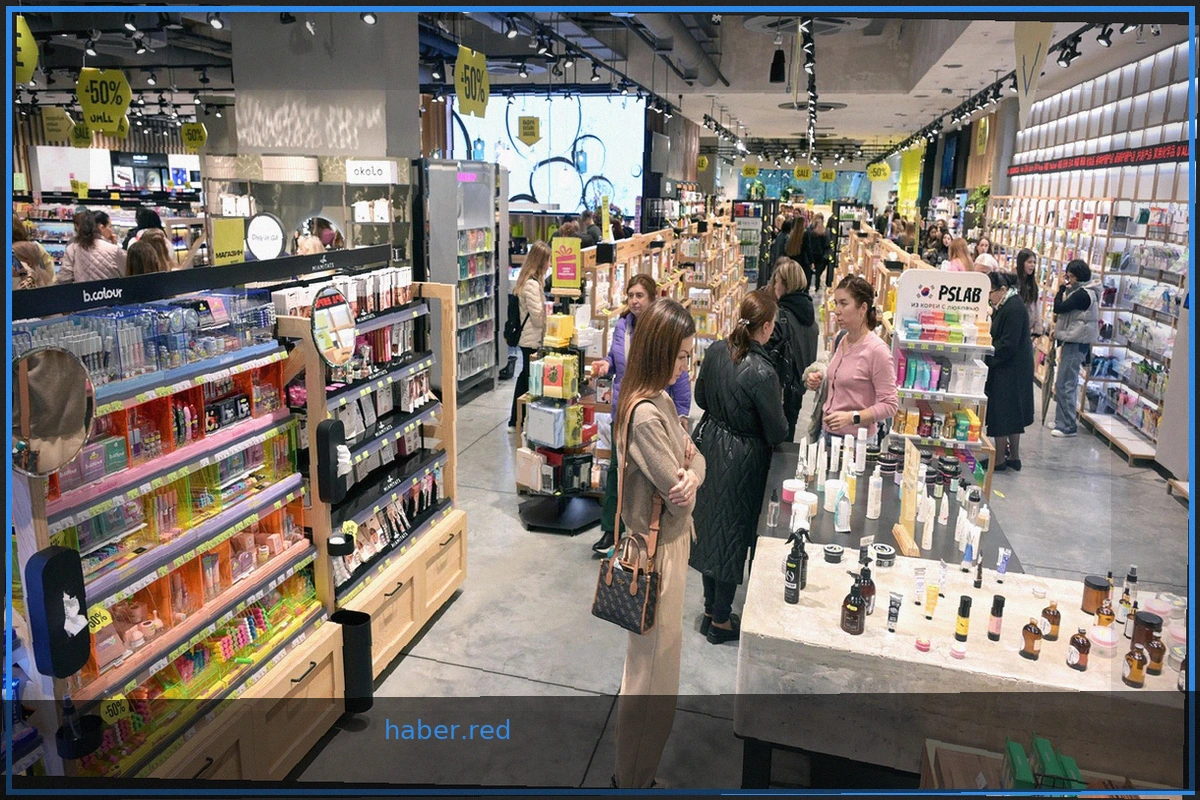
Five Foreign Brands Entered the Russian Market in Nine Months
Five foreign brands launched on the Russian market within the first three quarters of 2026. Among the new names are Austria's Zanier, a Russian-Chinese venture "Polaris | TCL," Armenian restaurant brand IYKYK, and China's Much Fun. Additionally, five international retailers, previously op
Russian Game Developers Gain Global Recognition
Russian game developers are recognized worldwide for their original game mechanics, high-quality technical solutions, and their ability to deliver complete projects. The "Moscow Video Game Export" program, active since 2025, systematically assists Moscow-based studios in securing export c
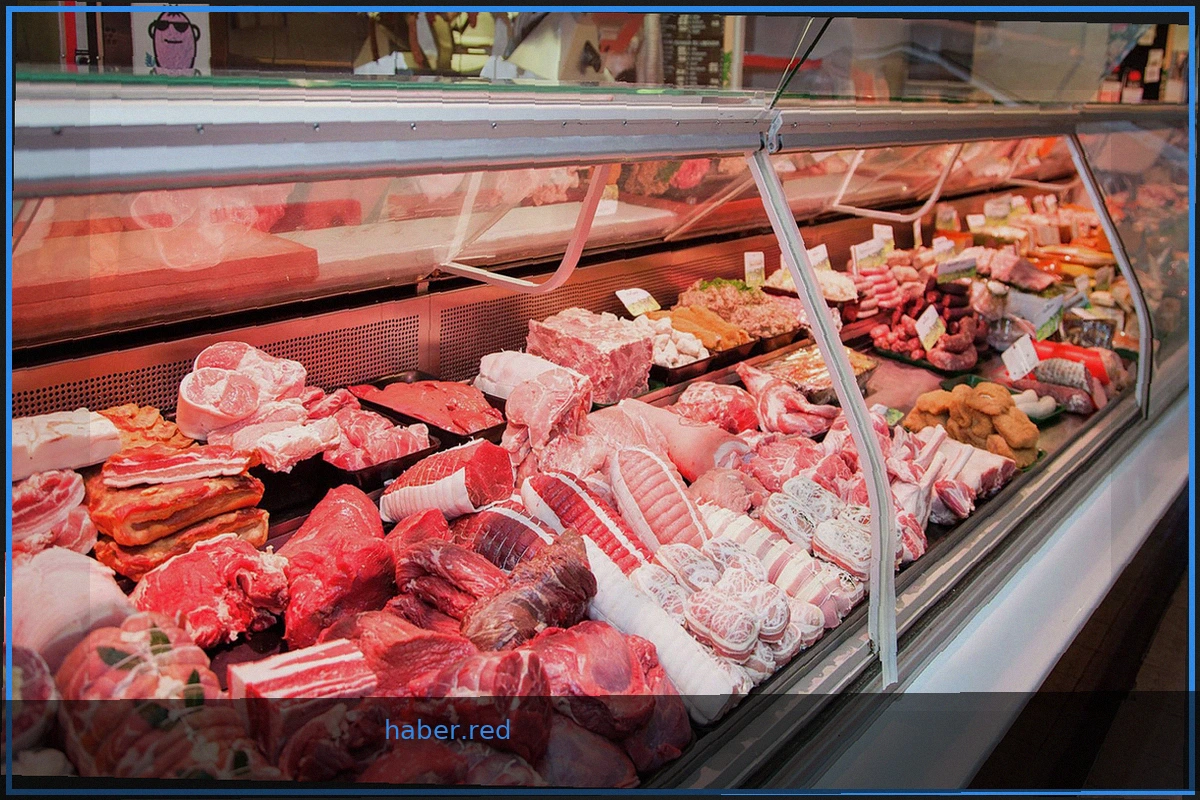
Russia's Meat Self-Sufficiency Exceeds 100% for Fourth Consecutive Year
Russia has fully provided for its own meat needs for four years in a row. In 2025, the country’s self-sufficiency in meat reached 102.2%, according to Rosstat data analyzed by RIA Novosti. The 100% mark was first surpassed in the modern era in 2020, with 100.1%. Following a slight dip to 99
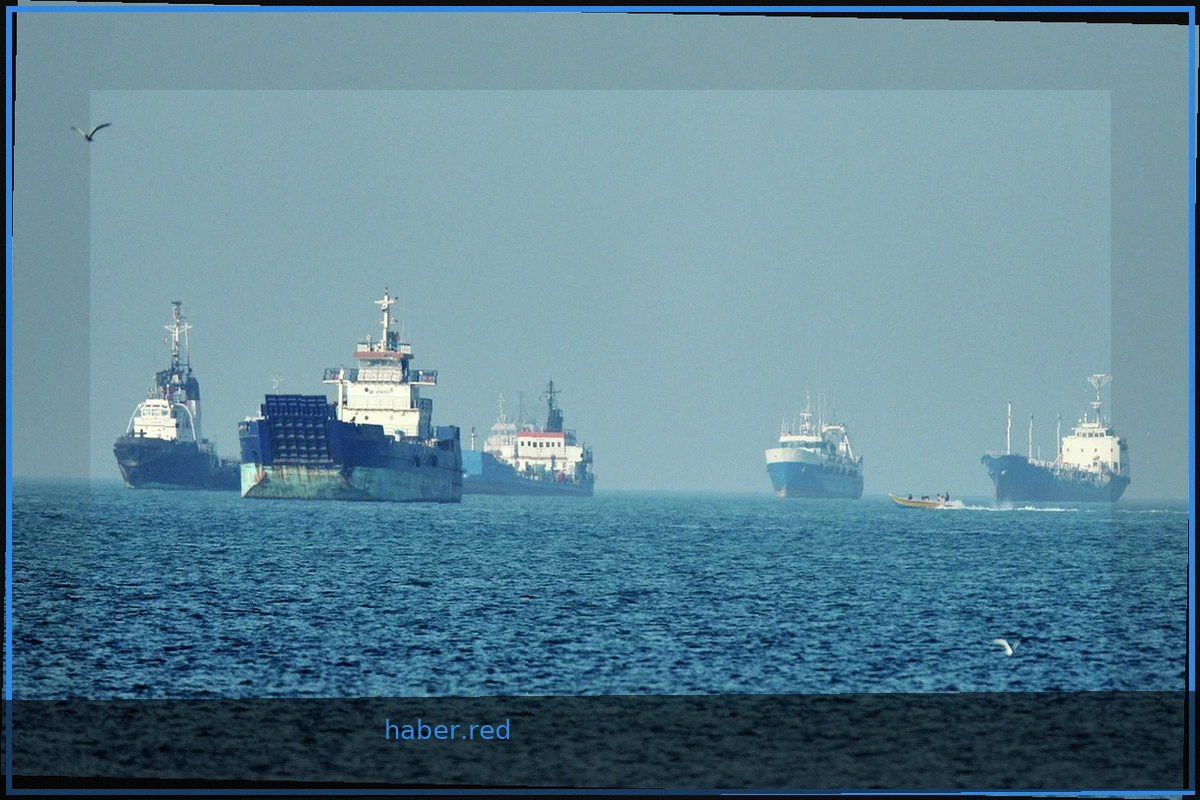
Iran and Oman Agree on Safe Passage Through Strait of Hormuz
Iran and Oman have reached an agreement regarding safe passage routes through the Strait of Hormuz. Iran's Foreign Ministry spokesperson, Esmaeil Baghaei, stated that details of these agreed-upon routes will be communicated to the relevant international body, as reported by Press TV. The ag
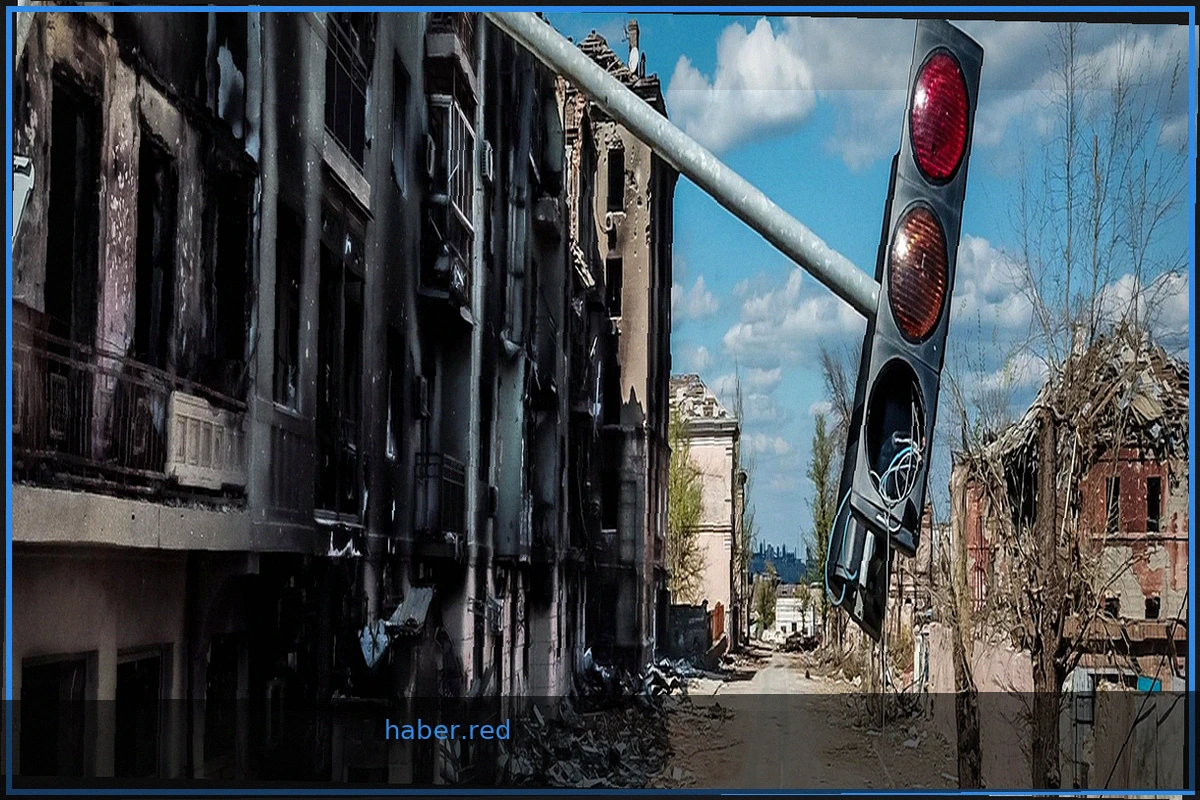
Kyiv Air Raid Alert Declared
Air raid sirens have been declared in Kyiv, as shown by data from the Ukrainian Ministry of Digital Transformation's online map. The alert in the Ukrainian capital began at 23:30 Moscow time. Sirens are also active in parts of Ukraine's Poltava and Chernihiv regio
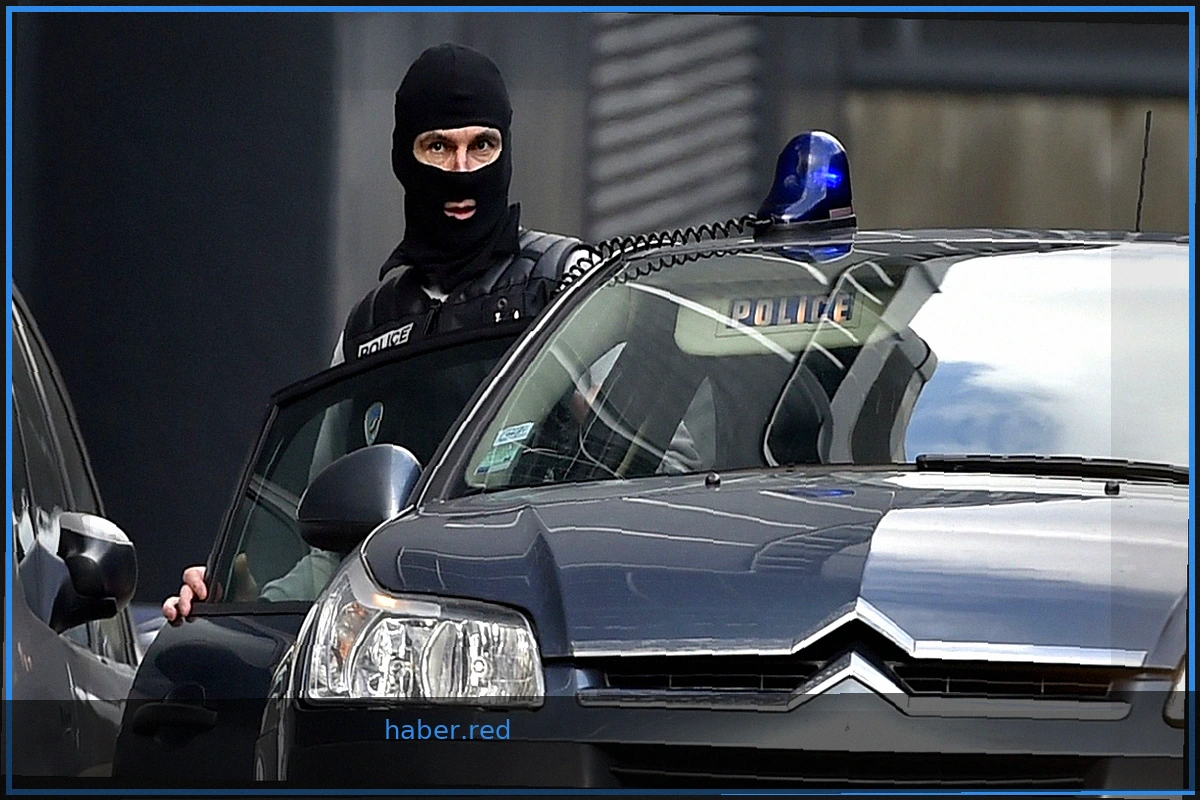
French Intelligence Mistook Institute for Internet Development for Iran
Arnaud Frilley, director of the Sergei Rachmaninoff Conservatory in Paris and a producer, recounted an incident where French intelligence services interrogated him about supposed ties to Iran. The confusion arose because they mistook the Institute for Internet Development (IRI) for th