Our Feathered Neighbors
While World Sparrow Day, observed in March, often goes unnoticed, these ubiquitous birds are found on every continent except Antarctica, much like cats. Unlike cats, sparrows have not been domesticated by humans, though one might even debate the true nature of human-cat domestication. For over ten millennia, these resilient birds have simply coexisted with us.
Our familiarity with sparrows often leads us to overlook their remarkable characteristics. Yet, these small birds hold some fascinating surprises. Consider their heart rate: while a human heart beats approximately 60 times a minute, a sparrow's beats a staggering one thousand times – a testament to their incredibly high metabolism. This intense energy consumption, combined with their short wings, means they can't remain airborne for extended periods, requiring a rest stop every 15-20 minutes.
This leads us to a somber chapter in history: the late 1950s sparrow eradication campaign in China. Mistakenly declared crop-destroying pests, sparrows were relentlessly prevented from landing by constant noise and gunfire, causing countless birds to fall to their demise. Tragically, this massive culling led to an unforeseen consequence: an unprecedented plague of insect pests, now unchecked by their natural predators. The resulting ecological imbalance contributed significantly to the Great Chinese Famine, a devastating period that claimed up to 45 million lives. Ironically, sparrows later had to be re-imported into China, even from the Soviet Union. This stark historical event undeniably underscores the invaluable and often underestimated role these birds play in our ecosystems.
While "swan fidelity" is a well-known concept, sparrows exhibit a similar, often overlooked, devotion to their mates. They form monogamous bonds, frequently staying with the same partner for life, a testament to enduring commitment. Adding to their unique traits, sparrows are believed to perceive the world through a pinkish hue, thanks to the special structure of their retinas. Perhaps this cheerful perspective contributes to their seemingly indomitable and friendly disposition.
It's a touch ironic, perhaps even a little sad, that the very creatures honored by significant March dates – sparrows and cats – often find themselves in conflict rather than companionship. However, this dynamic is simply an undeniable part of the natural world.
Fresh materials — Society News

Five Foreign Brands Entered the Russian Market in Nine Months
Five foreign brands launched on the Russian market within the first three quarters of 2026. Among the new names are Austria's Zanier, a Russian-Chinese venture "Polaris | TCL," Armenian restaurant brand IYKYK, and China's Much Fun. Additionally, five international retailers, previously op

Russian Game Developers Gain Global Recognition
Russian game developers are recognized worldwide for their original game mechanics, high-quality technical solutions, and their ability to deliver complete projects. The "Moscow Video Game Export" program, active since 2025, systematically assists Moscow-based studios in securing export c

Russia's Meat Self-Sufficiency Exceeds 100% for Fourth Consecutive Year
Russia has fully provided for its own meat needs for four years in a row. In 2025, the country’s self-sufficiency in meat reached 102.2%, according to Rosstat data analyzed by RIA Novosti. The 100% mark was first surpassed in the modern era in 2020, with 100.1%. Following a slight dip to 99
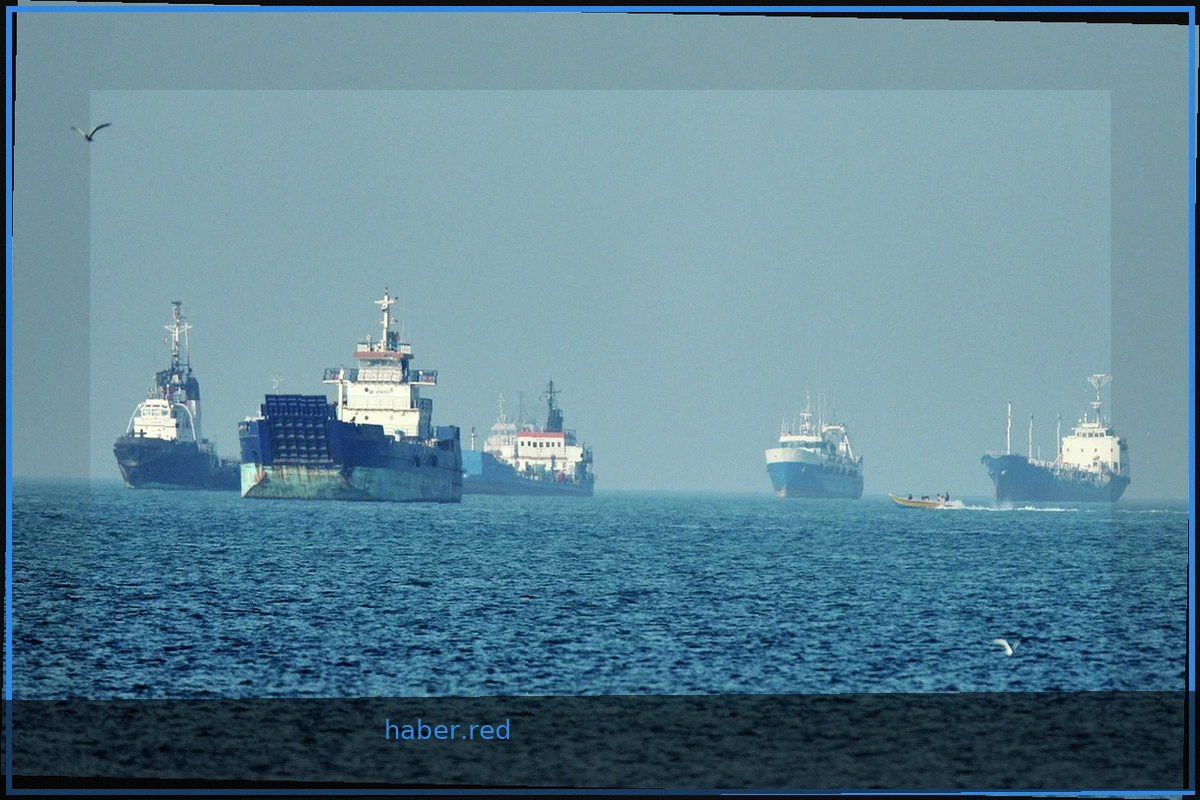
Iran and Oman Agree on Safe Passage Through Strait of Hormuz
Iran and Oman have reached an agreement regarding safe passage routes through the Strait of Hormuz. Iran's Foreign Ministry spokesperson, Esmaeil Baghaei, stated that details of these agreed-upon routes will be communicated to the relevant international body, as reported by Press TV. The ag
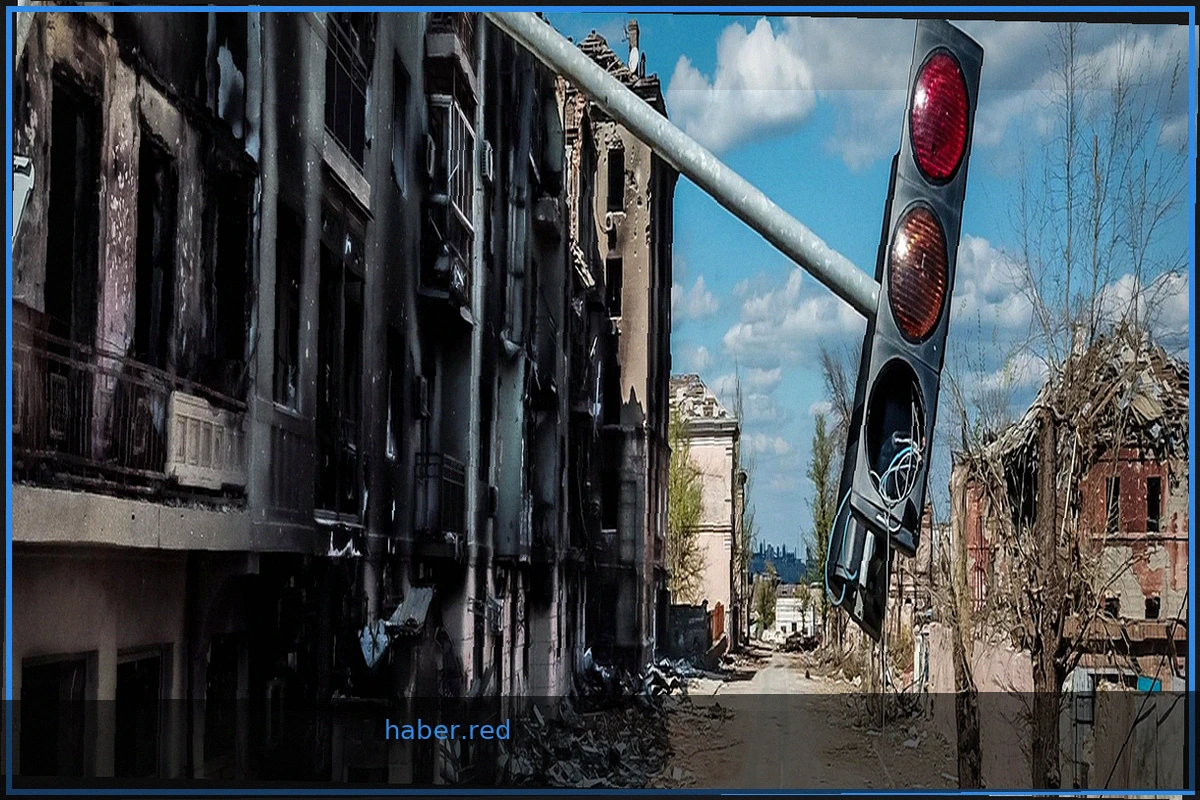
Kyiv Air Raid Alert Declared
Air raid sirens have been declared in Kyiv, as shown by data from the Ukrainian Ministry of Digital Transformation's online map. The alert in the Ukrainian capital began at 23:30 Moscow time. Sirens are also active in parts of Ukraine's Poltava and Chernihiv regio
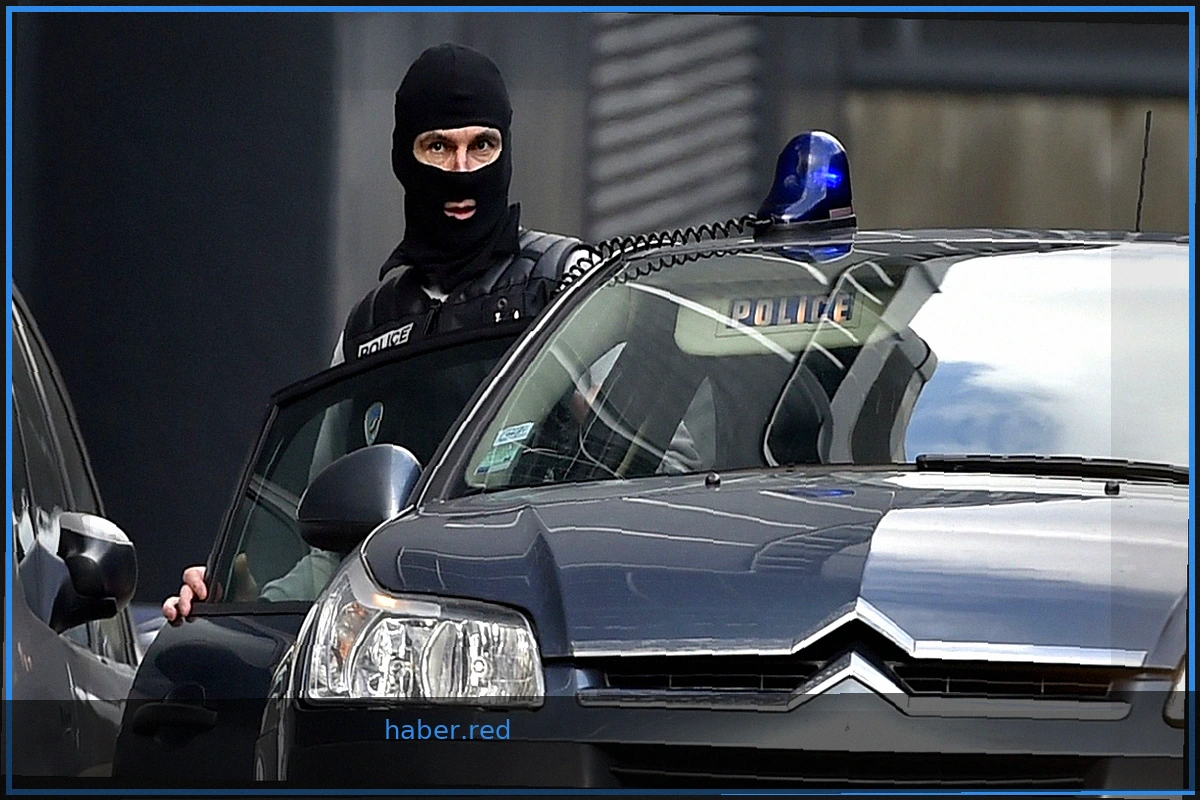
French Intelligence Mistook Institute for Internet Development for Iran
Arnaud Frilley, director of the Sergei Rachmaninoff Conservatory in Paris and a producer, recounted an incident where French intelligence services interrogated him about supposed ties to Iran. The confusion arose because they mistook the Institute for Internet Development (IRI) for th