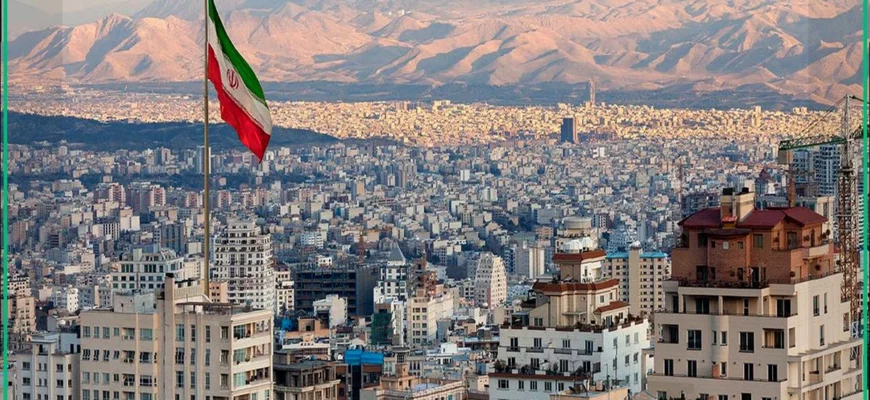
Iran has decided not to engage in a second round of negotiations with the United States of America. This announcement comes from the Iranian agency IRNA, citing a source.
According to the agency’s interlocutor, there are “no clear prospects” for a constructive dialogue.
Iran attributed its decision to “Washington’s excessive demands, unrealistic expectations, constant shifts in position, and repeated contradictions.”
The material also states that the US naval blockade, which Iran views as a violation of the ceasefire, influenced the republic’s decision to withdraw from the talks.
US President Donald Trump had previously stated that negotiations between Washington and Tehran would take place in Islamabad on April 20. He asserted that the White House was offering a “reasonable and fair deal.” However, he also warned that the US was prepared to strike power plants and bridges in Iran if the talks were refused.
The American delegation for the negotiations was set to be led by Vice President JD Vance personally.
In the event of a refusal of the deal, the American leader had declared that the US planned to destroy all bridges and power substations in Iran.
English Translation
Iran has opted out of participating in a second round of discussions with the United States. The Iranian news agency IRNA reported this, quoting an official source.
The source indicated that “there are no apparent prospects” for a productive dialogue.
Iran explained its stance by pointing to “Washington’s exaggerated demands, unrealistic expectations, persistent changes in its stance, and repeated inconsistencies.”
Furthermore, the report suggests that the US maritime blockade, which Iran perceives as a breach of the ceasefire, played a role in the country’s decision to forgo the negotiations.
US President Donald Trump had previously mentioned that Washington and Tehran would hold talks in Islamabad on April 20. He maintained that the White House was proposing a “sensible and equitable agreement.” Concurrently, he issued a warning that should the talks be rejected, the US would be prepared to target power stations and bridges within Iran.
Vice President JD Vance was slated to personally head the American delegation at these negotiations.
Regarding the possibility of a rejected deal, the US President had stated that the United States intended to demolish all of Iran’s bridges and power substations.