Artemis II: Understanding the Overview Effect, Lunar Joy, and Profound Awe
The upcoming Artemis II mission offers a unique opportunity to experience a special kind of awe, derived from viewing Earth from the vastness of space. Psychologists are exploring this phenomenon, suggesting that preserving these profound feelings is crucial.
The sensation of seeing our planet from a distance, often described as the "overview effect," has been reported by astronauts for decades. It's a transformative experience that fosters a sense of unity, fragility, and interconnectedness with Earth. The stark contrast between the vibrant, living planet and the silent, black expanse of space can induce feelings of profound wonder and joy.
For the Artemis II crew, their journey around the Moon will provide unparalleled vistas of our home world. This perspective is expected to amplify the overview effect, potentially leading to even deeper emotional responses. The mission, by extension, serves as a reminder of the psychological benefits of such experiences, urging us to consider how we can cultivate and retain these feelings of awe and joy even without physically venturing into space.
Psychologists studying the overview effect recommend actively engaging with these feelings. This can involve reflection, discussion, and seeking out art or media that captures the essence of this perspective. The goal is to translate the fleeting moments of cosmic awe into lasting shifts in our worldview, promoting a greater appreciation for our planet and a stronger sense of global responsibility.
In essence, Artemis II is not just a mission of exploration; it's also a catalyst for understanding the profound human connection to our planet, made visible through the breathtaking lens of space travel.
Fresh materials — Science News
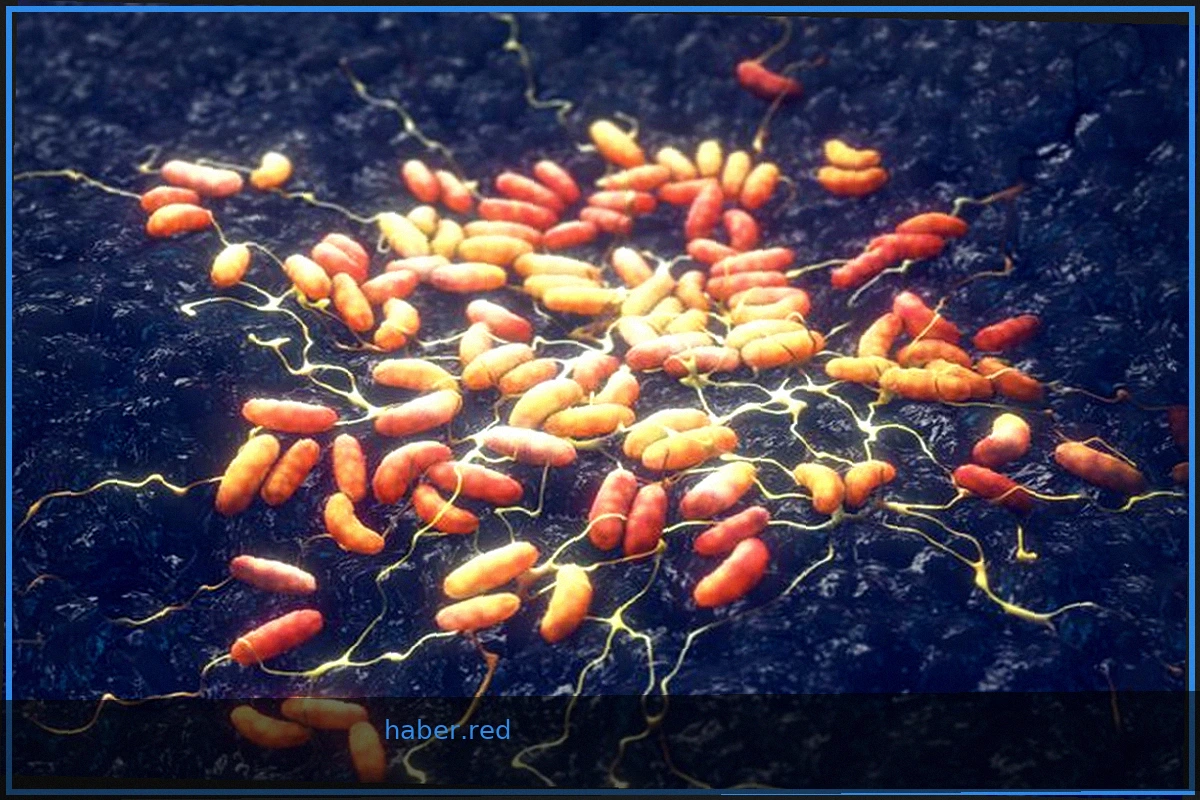
Suspected Pneumonic Plague Case Sparks Outbreak Fears
Russian authorities reported a pneumonia death of unknown cause in an employee at a Siberian lab that studies infectious diseases. The World Health Organization (WHO) is monitoring the situation and collaborating with Russian health officials. The WHO stated that while the woma
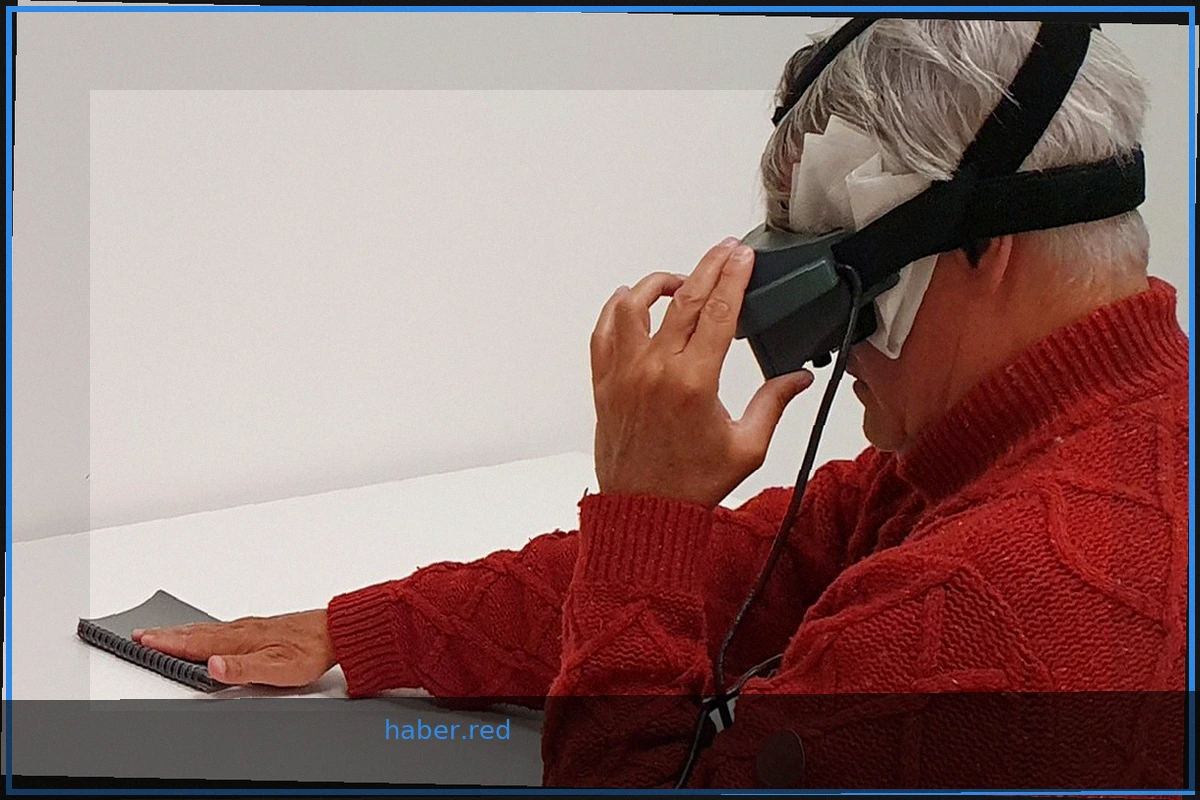
Gene Therapy and Special Goggles Restore Limited Vision
A new experimental treatment, coupled with custom-designed goggles, is allowing some blind individuals to perceive their surroundings. This advancement enables them to locate doorways and identify objects.
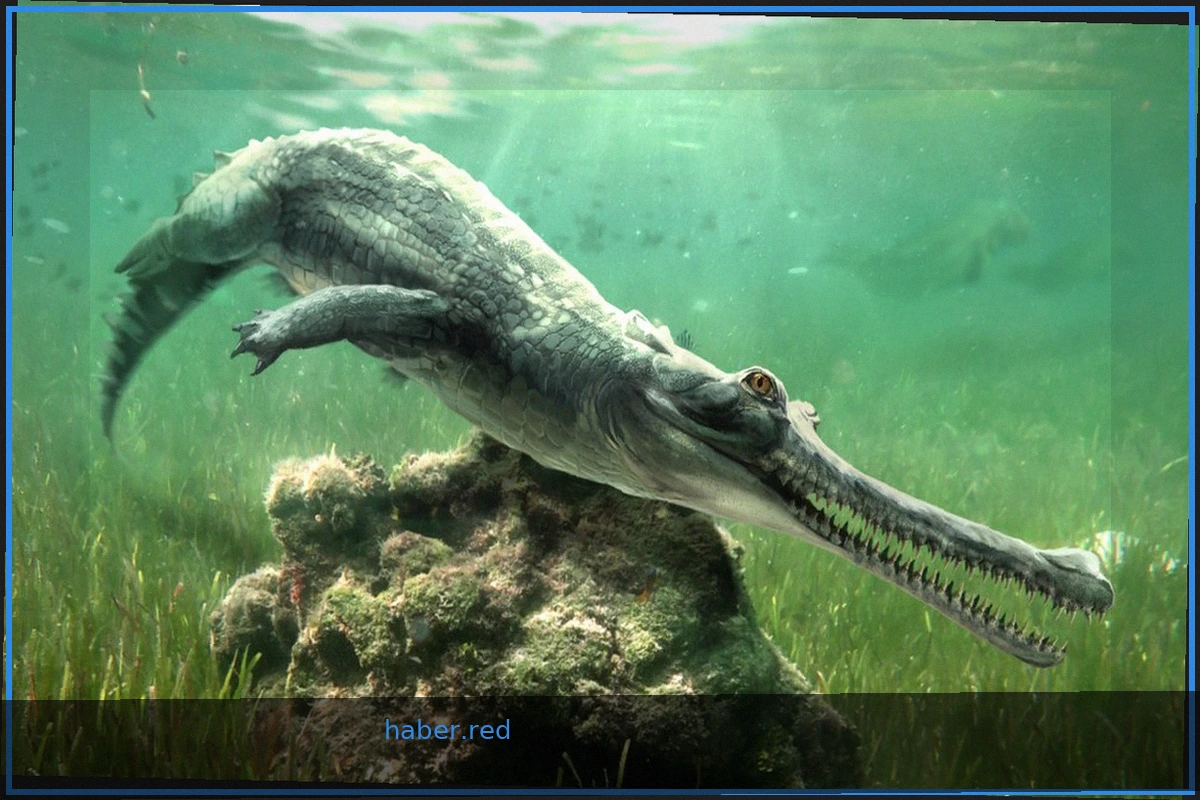
Extinct Crocodilian Fossils Discovered in Great Sphinx Limestone
Fossils of an extinct crocodilian, identified as Herugavialis, were found embedded in the limestone quarried for the Great Sphinx. Notably, this ancient reptile, much like the iconic statue it shares its origin stone with, appears to be missing its nose. The discovery of Herugavialis with

Blockbuster Retatrutide Trial: A New Benchmark for Weight-Loss Drugs
The experimental weight-loss drug retatrutide has reached a significant milestone: a Phase 3 clinical trial showed participants with type 2 diabetes losing up to 49.6 pounds, or over 20 percent of their body weight. Eli Lilly, the drug's developer, reported this as a first for the field.
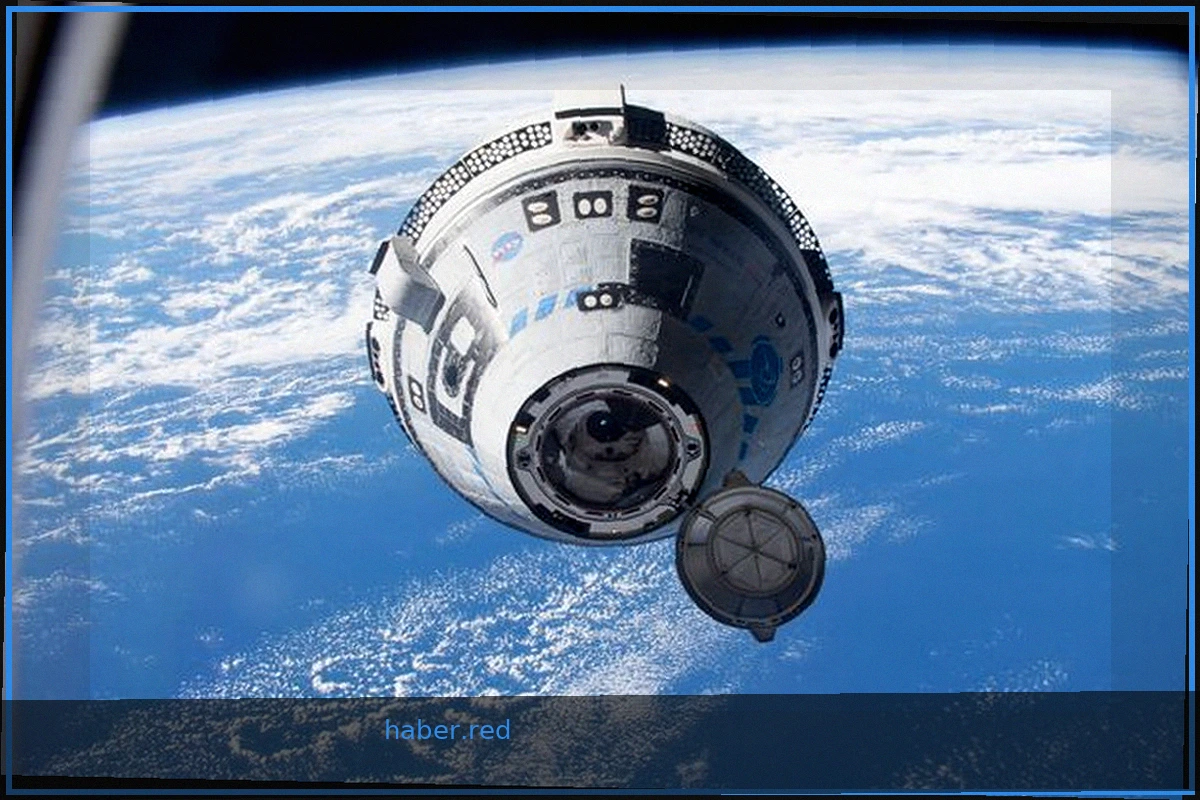
NASA Pursues Uncrewed and Crewed Missions with Boeing's Starliner
Boeing's Starliner spacecraft will attempt to fly NASA astronauts to space again, this time following an uncrewed test flight to the International Space Station (ISS). NASA administrator Bill Nelson announced that the capsule is scheduled for an uncrewed mission as early as December. This represe
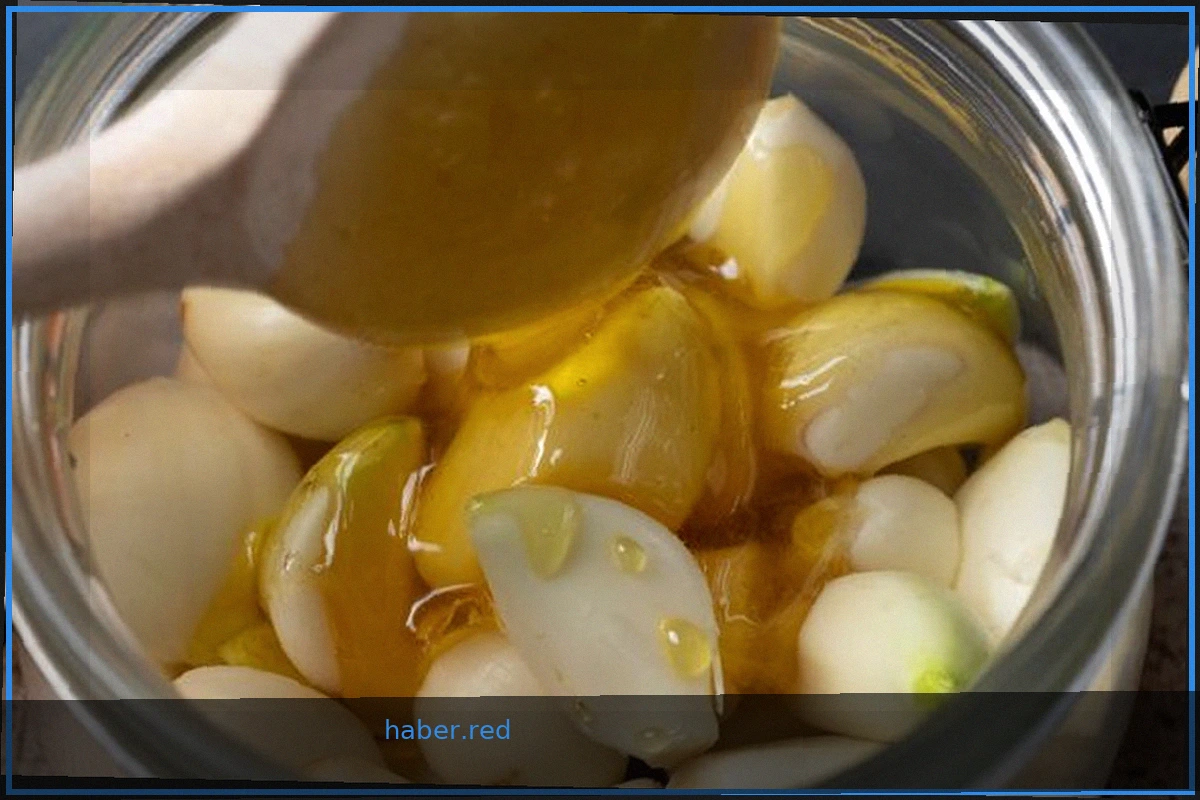
TikTok promotes home remedy that risks botulism
A homemade concoction of garlic fermented in honey, trending on TikTok for its supposed immune-boosting properties, carries a serious risk of causing botulism, according to health experts. Influencers on the platform are promoting this mixture in numerous videos, claiming it