NASA Pursues Uncrewed and Crewed Missions with Boeing's Starliner
Boeing's Starliner spacecraft will attempt to fly NASA astronauts to space again, this time following an uncrewed test flight to the International Space Station (ISS). NASA administrator Bill Nelson announced that the capsule is scheduled for an uncrewed mission as early as December. This represents a step back for the initiative, which has faced significant challenges.
Starliner's last flight was its problematic 2024 crewed mission. The spacecraft, named Calypso, took astronauts Butch Wilmore and Suni Williams to the ISS. However, the planned eight-day stay extended to 286 days due to helium leaks and thruster malfunctions, raising safety concerns. These issues prevented Wilmore and Williams from returning to Earth on Calypso. They eventually returned in a SpaceX Dragon capsule.
A February report from NASA identified multiple failures behind the botched mission. Problems spanned the ship's design and engineering, particularly its thrusters. The report concluded that a primary cause was insufficient NASA oversight of Boeing, a lack of transparent data sharing, and poor decision-making.
Following the Calypso incident, Starliner's design has undergone several changes, including modifications to seals and the thruster system. These updates will be tested during the upcoming uncrewed mission. Data collected will "validate the recent remediation efforts," according to Nelson. If this test proves successful, a Starliner vehicle could undertake a crewed mission in 2028, with NASA astronaut Woody Hoburg in command.
"He's an absolutely brilliant guy who's helping on a lot of our ignition priorities, and I am confident his experience will serve this mission incredibly well," Nelson said of Hoburg.
A significant change involves the launch vehicle. Starliner previously used United Launch Alliance's (ULA's) Atlas V rocket, which is no longer in production. NASA now plans to utilize ULA's Vulcan Centaur heavy-lift rocket for future Starliner missions.
NASA is keen for Starliner to become operational. Nelson and other NASA officials emphasized that SpaceX's Crew Dragon is currently the only available operational crew capsule for transporting NASA astronauts to and from orbit. SpaceX has indicated plans to transition away from the Falcon 9 rocket and Crew Dragon in favor of developing its Starship megarockets. NASA views having redundancy and more options for crewed missions as crucial for a robust space economy.
Nelson stressed that, at present, no other providers are being considered for ISS mission capsules, and SpaceX and Boeing will remain the sole options for the foreseeable future.
"One of them is serving our needs very well," Nelson stated. "The other one we’ve been committed to getting operational.”
Fresh materials — Science News

TikTok promotes home remedy that risks botulism
A homemade concoction of garlic fermented in honey, trending on TikTok for its supposed immune-boosting properties, carries a serious risk of causing botulism, according to health experts. Influencers on the platform are promoting this mixture in numerous videos, claiming it

Trump's Proposed Executive Order on NIH Funding: A Threat to Scientific Independence and Innovation
A reported plan by President Donald Trump to establish a committee that would oversee, and potentially veto, scientific grants from the nation's leading health agency could diminish U.S. scientific and innovation leadership, according to advocates and researchers. This proposed

Missing Pages of Henry VIII Manuscript Rediscovered
Six pages, missing for centuries from a 600-year-old religious manuscript, have resurfaced. This book once belonged to an attendant of King Henry VIII and offers insights into the religious changes and shifting loyalties of the Tudor court. The book, Mirror of the Blessed Life of Jesus Chri

Japan Achieves Centenarian Milestone: Over 100,000 Citizens Reach 100+
The number of people living to 100 or older in Japan has surpassed 100,000. This new record indicates a continued increase in global lifespans. Japan's high life expectancy is attributed to several factors: low obesity rates, healthy eating habits, widespread medical check-ups, and accessible he
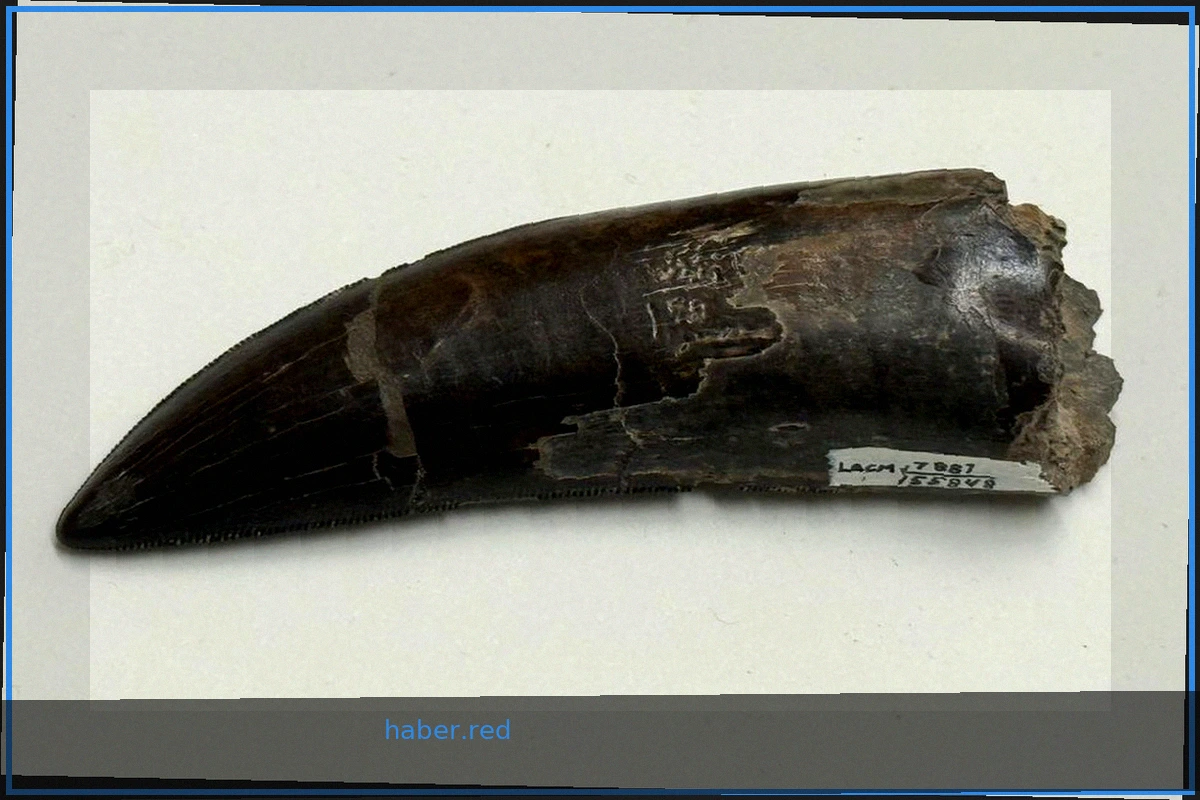
T. rex Had a Body Temperature Similar to Humans, New Research Suggests
Paleontologists have long suspected Tyrannosaurus rex differed from modern reptiles, possibly being warm-blooded. Lacking direct methods like treadmills or thermometers for fossilized creatures, scientists analyze indirect evidence, such as the chemical makeup of fossilized teeth, to infer din
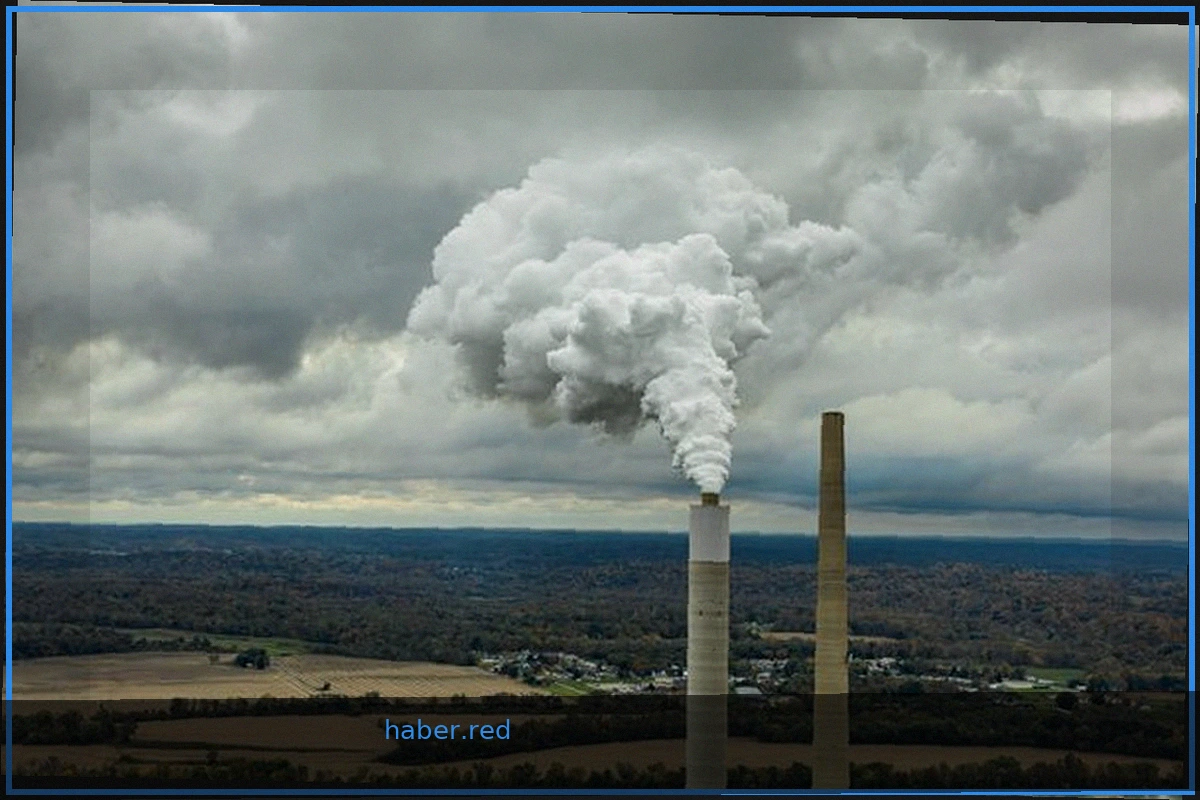
Trump Administration Rescinds Greenhouse Gas Emission Limits for Power Plants
The Trump administration's Environmental Protection Agency (EPA) has removed all regulations that capped greenhouse gas emissions from coal and natural gas power plants. Climate scientists and activists state this action will negatively impact public health and accelerate climate chan