Blockbuster Retatrutide Trial: A New Benchmark for Weight-Loss Drugs
The experimental weight-loss drug retatrutide has reached a significant milestone: a Phase 3 clinical trial showed participants with type 2 diabetes losing up to 49.6 pounds, or over 20 percent of their body weight. Eli Lilly, the drug's developer, reported this as a first for the field.
Beyond weight reduction, trial participants experienced notable improvements in blood sugar levels, along with lower cholesterol and blood pressure. These factors are all linked to cardiovascular disease risk.
Daniel Skovronsky, Eli Lilly's chief scientific and product officer, stated, "We achieved a new high-water mark for what’s possible in terms of weight loss."
Retatrutide is classified as a "triple agonist," targeting three hormone receptors: GLP-1, GIP, and glucagon. This distinguishes it from current GLP-1 receptor agonists (like semaglutide) and dual agonists (like tirzepatide) that target one or two receptors, respectively. It is the first triple agonist to undergo a Phase 3 trial, the critical testing phase for U.S. Food and Drug Administration approval consideration.
The TRIUMPH-2 trial, spanning 80 weeks, involved 1,152 individuals with obesity and type 2 diabetes. Participants received either a placebo or retatrutide at doses of 4 mg, 9 mg, or 12 mg. Average weight loss varied by dose: 29.8 pounds (13.5 kg) for the 4 mg group, 45.4 pounds (20.6 kg) for the 9 mg group, and 49.6 pounds (22.5 kg) for the 12 mg group. The placebo group lost an average of 9.3 pounds (4.2 kg).
Remarkably, at the trial's conclusion, approximately 60 percent of participants in the 12 mg retatrutide group no longer met the criteria for obesity based on their body mass index. Depending on the dosage, 28.4 to 40 percent of participants on retatrutide achieved normalized blood sugar levels. These findings were published in The Lancet.
Randy Seeley, a professor at the University of Michigan, commented that these results are particularly significant given that individuals with type 2 diabetes generally experience less weight loss with GLP-1 drugs compared to those without the condition. (Seeley has consulted for Eli Lilly and other weight-loss drug manufacturers in the past but was not involved in TRIUMPH-2.)
A separate Eli Lilly-funded trial, TRIUMPH-1, demonstrated that participants with obesity but without diabetes lost up to 25 percent of their body weight over 80 weeks using the same retatrutide doses. The results of TRIUMPH-1 were published in The New England Journal of Medicine.
Retatrutide can cause side effects, including diarrhea, constipation, nausea, and vomiting. The Lancet paper noted seven deaths occurred during the study, though they were deemed unrelated to the treatment.
Reports also indicate that some participants experienced side effects leading them to skip doses, and expressed concerns about the speed of weight loss.
Seeley noted that rapid weight loss can increase the risk of gallstones and micronutrient deficiencies. He explained, "If you're eating very few calories, it’s harder and harder to get all of the other things you need from your food."
Seeley advised that if retatrutide becomes widely available, patients should consult their physicians to determine the appropriate dose and treatment plan. He believes many patients may not need the maximum dose of retatrutide.
The development of retatrutide points to future innovations, with drugs targeting four and even five hormone receptors already in development.
"The science is moving very, very fast," Seeley observed.
Eli Lilly intends to submit the trial data to regulatory agencies globally, with approval anticipated "early next year," according to Skovronsky.
Fresh materials — Science News

NASA Pursues Uncrewed and Crewed Missions with Boeing's Starliner
Boeing's Starliner spacecraft will attempt to fly NASA astronauts to space again, this time following an uncrewed test flight to the International Space Station (ISS). NASA administrator Bill Nelson announced that the capsule is scheduled for an uncrewed mission as early as December. This represe

TikTok promotes home remedy that risks botulism
A homemade concoction of garlic fermented in honey, trending on TikTok for its supposed immune-boosting properties, carries a serious risk of causing botulism, according to health experts. Influencers on the platform are promoting this mixture in numerous videos, claiming it

Trump's Proposed Executive Order on NIH Funding: A Threat to Scientific Independence and Innovation
A reported plan by President Donald Trump to establish a committee that would oversee, and potentially veto, scientific grants from the nation's leading health agency could diminish U.S. scientific and innovation leadership, according to advocates and researchers. This proposed

Missing Pages of Henry VIII Manuscript Rediscovered
Six pages, missing for centuries from a 600-year-old religious manuscript, have resurfaced. This book once belonged to an attendant of King Henry VIII and offers insights into the religious changes and shifting loyalties of the Tudor court. The book, Mirror of the Blessed Life of Jesus Chri

Japan Achieves Centenarian Milestone: Over 100,000 Citizens Reach 100+
The number of people living to 100 or older in Japan has surpassed 100,000. This new record indicates a continued increase in global lifespans. Japan's high life expectancy is attributed to several factors: low obesity rates, healthy eating habits, widespread medical check-ups, and accessible he
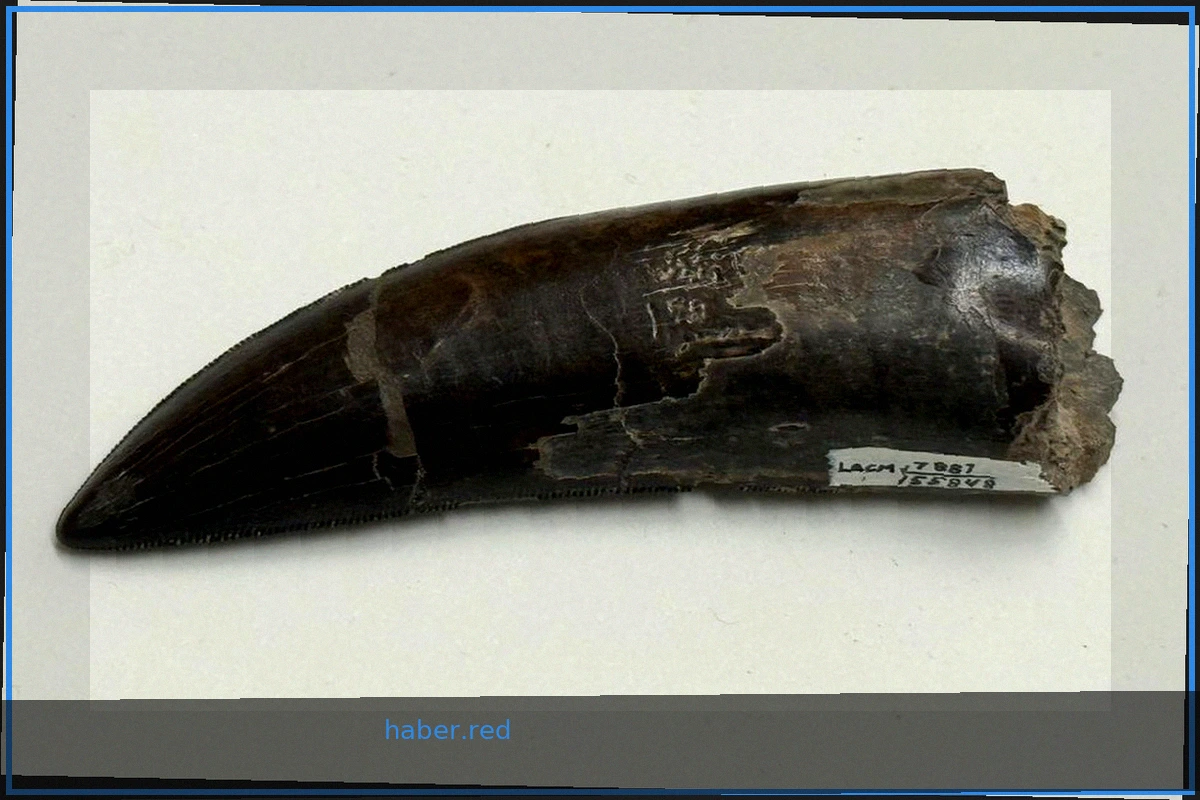
T. rex Had a Body Temperature Similar to Humans, New Research Suggests
Paleontologists have long suspected Tyrannosaurus rex differed from modern reptiles, possibly being warm-blooded. Lacking direct methods like treadmills or thermometers for fossilized creatures, scientists analyze indirect evidence, such as the chemical makeup of fossilized teeth, to infer din