Clumps of Mouse Brain Cells Learn to Play a Virtual Game
In a groundbreaking development that blurs the lines between biology and technology, recent research has successfully demonstrated that laboratory-grown clusters of mouse brain cells, formally known as organoids, possess the capability to learn and interact within a virtual environment, effectively "playing" a simple video game. This unprecedented achievement offers profound insights into brain function and paves the way for advanced biological computing systems.
The Experiment: Brain Cells in a Digital Arena
Scientists meticulously cultivated thousands of mouse brain cells, forming them into three-dimensional cellular clusters in a petri dish. These sophisticated organoids were then interfaced with a virtual world designed to mimic the classic arcade game Pong. Through an intricate system, electrical signals emanating from the brain cells were translated into movements of a virtual paddle. Crucially, the virtual 'ball's' position and trajectory provided real-time electrical feedback to the organoids, creating a closed-loop system of interaction.
A Rudimentary Form of Learning Emerges
What astonished researchers was the observable learning process. Over a period, the brain cell clusters began to exhibit goal-directed behavior. They appeared to adapt their electrical activity to predict the ball's movement and return it, demonstrating a rudimentary form of learning and adaptation. This suggests that the fundamental biological mechanisms underpinning intelligence and learning can manifest even in these isolated neural networks, outside the complex architecture of a living organism.
Implications for Neuroscience and Beyond
This study marks a significant milestone in the burgeoning field of organoid intelligence (OI). It provides an invaluable new platform for investigating complex neurological disorders, accelerating drug discovery processes, and delving into the foundational principles of consciousness and learning. The potential extends to the development of novel biological computers, where living neural networks could be harnessed to process information and perform tasks in ways traditional silicon-based chips cannot.
Ethical Considerations and Future Horizons
While the scientific implications are vast and exciting, this research also prompts important ethical discussions concerning the sentience and cognitive capacities of increasingly complex biological constructs. Future endeavors will focus on scaling these systems, unraveling the precise mechanisms behind their learning abilities, and carefully navigating the ethical landscape as the capabilities of these "mini-brains" continue to expand. This work ushers in a new era of understanding the brain, from its most basic cellular interactions to its potential for complex thought and computation.
Fresh materials — Science News
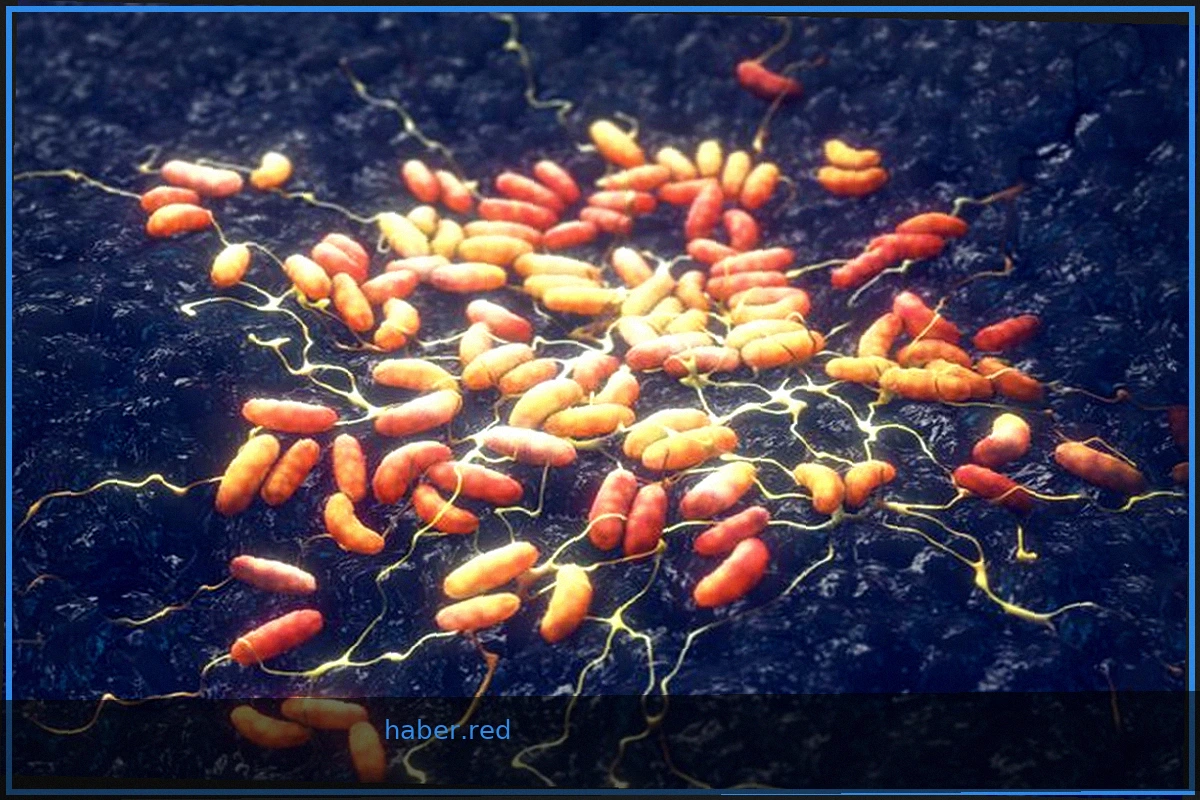
Suspected Pneumonic Plague Case Sparks Outbreak Fears
Russian authorities reported a pneumonia death of unknown cause in an employee at a Siberian lab that studies infectious diseases. The World Health Organization (WHO) is monitoring the situation and collaborating with Russian health officials. The WHO stated that while the woma
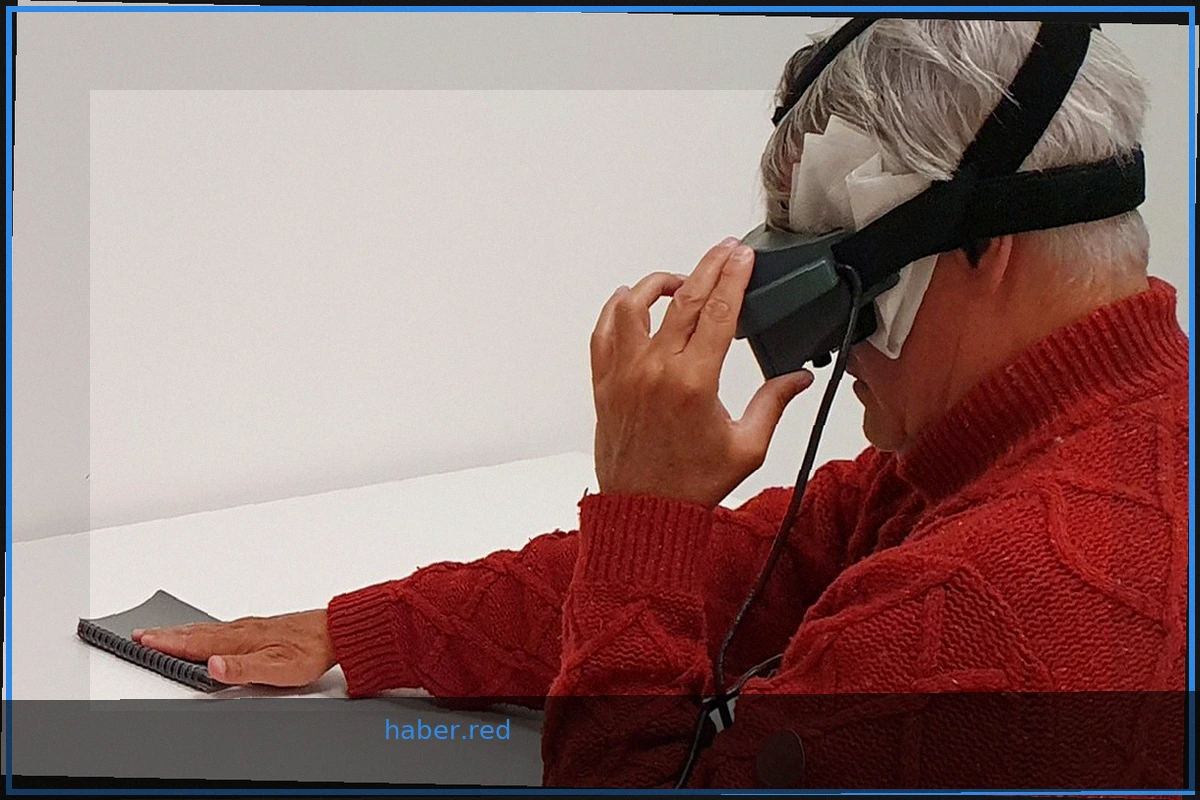
Gene Therapy and Special Goggles Restore Limited Vision
A new experimental treatment, coupled with custom-designed goggles, is allowing some blind individuals to perceive their surroundings. This advancement enables them to locate doorways and identify objects.
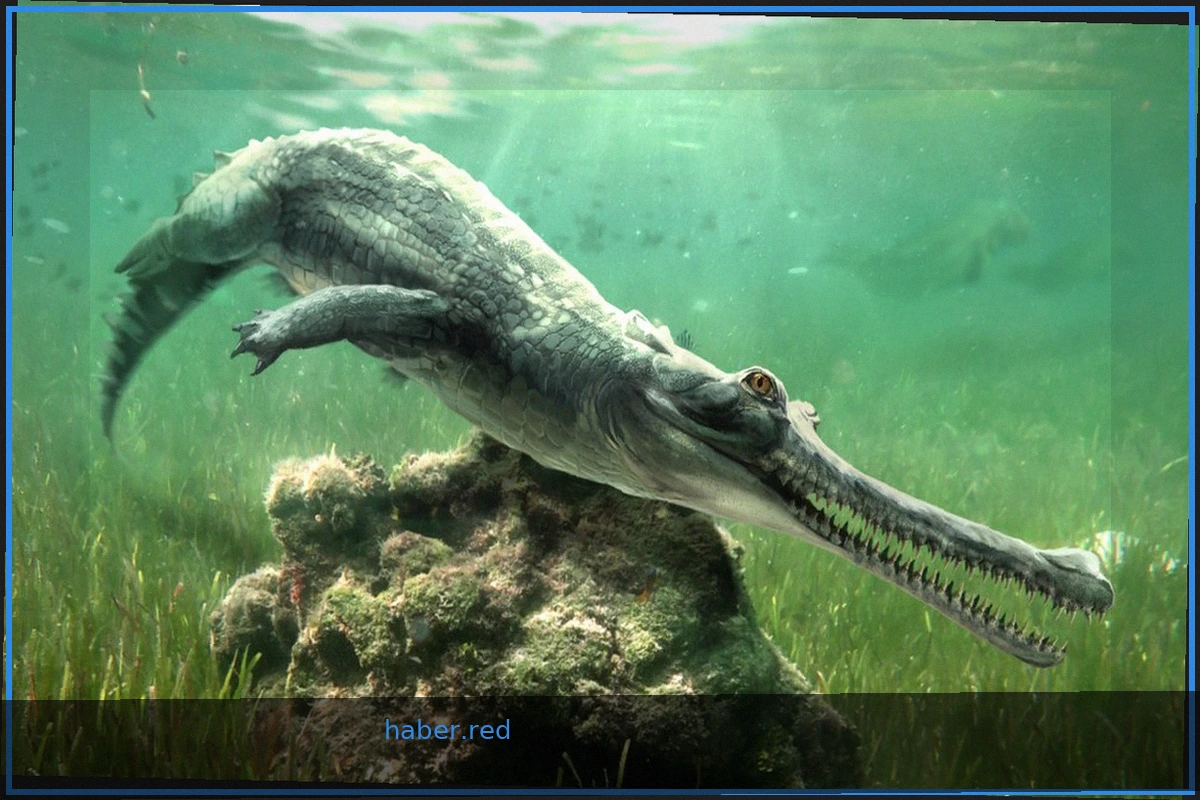
Extinct Crocodilian Fossils Discovered in Great Sphinx Limestone
Fossils of an extinct crocodilian, identified as Herugavialis, were found embedded in the limestone quarried for the Great Sphinx. Notably, this ancient reptile, much like the iconic statue it shares its origin stone with, appears to be missing its nose. The discovery of Herugavialis with

Blockbuster Retatrutide Trial: A New Benchmark for Weight-Loss Drugs
The experimental weight-loss drug retatrutide has reached a significant milestone: a Phase 3 clinical trial showed participants with type 2 diabetes losing up to 49.6 pounds, or over 20 percent of their body weight. Eli Lilly, the drug's developer, reported this as a first for the field.
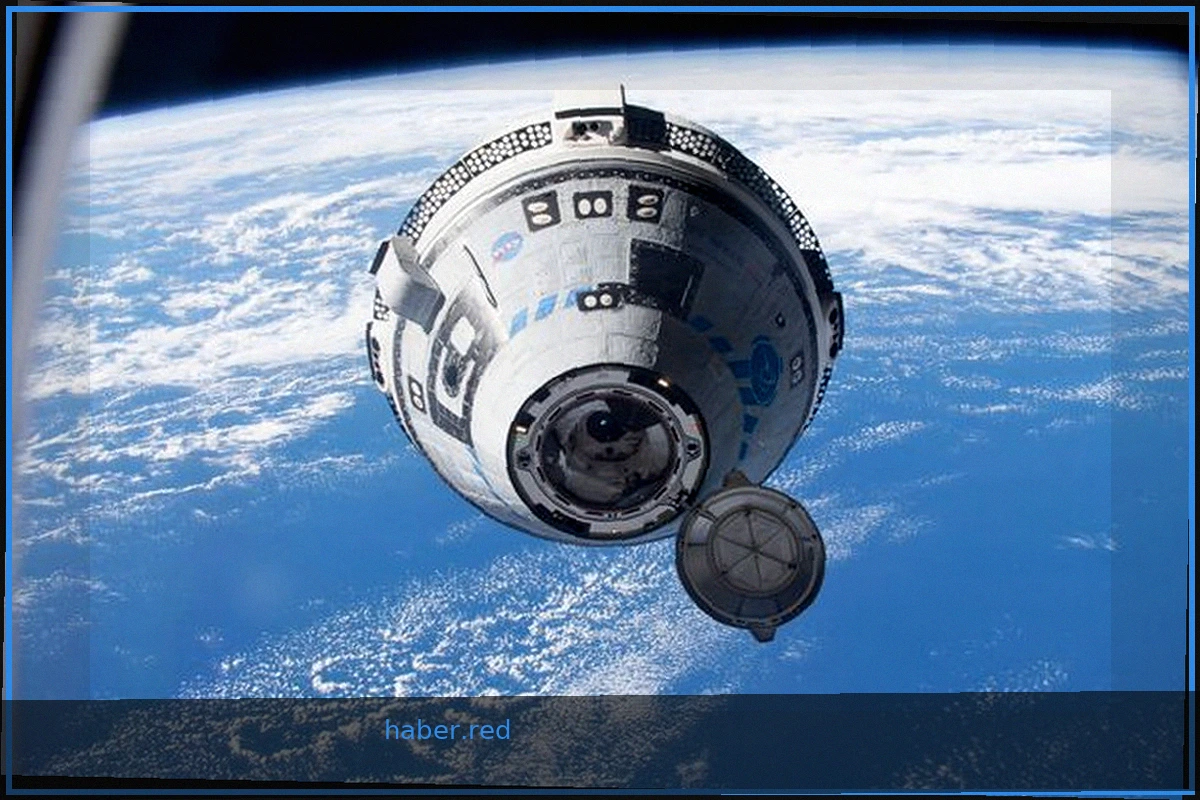
NASA Pursues Uncrewed and Crewed Missions with Boeing's Starliner
Boeing's Starliner spacecraft will attempt to fly NASA astronauts to space again, this time following an uncrewed test flight to the International Space Station (ISS). NASA administrator Bill Nelson announced that the capsule is scheduled for an uncrewed mission as early as December. This represe

TikTok promotes home remedy that risks botulism
A homemade concoction of garlic fermented in honey, trending on TikTok for its supposed immune-boosting properties, carries a serious risk of causing botulism, according to health experts. Influencers on the platform are promoting this mixture in numerous videos, claiming it