Drop in US Overdose Deaths Not Attributed to Increased Naloxone Use
Drug overdose deaths in the United States saw an unexpected decline a few years ago, but evidence suggests this isn't because more people are being revived than before.
Drug overdose fatalities peaked around 111,000 annually in mid-2023. By the close of 2025, this figure had fallen below 71,000 per year. Researchers are still working to understand the reasons behind this trend. One hypothesis pointed to the broader availability of naloxone, a medication that reverses opioid overdoses, enabling more individuals to be saved.
However, a study examining U.S. emergency medical services (EMS) agencies revealed that emergency responses for nonfatal overdoses also decreased alongside the deaths. Naloxone use also declined. This indicates that overall overdoses lessened, rather than naloxone becoming more effective at preventing fatalities, according to research published October 21 in the Journal of the American Medical Association.
“Naloxone continues to save lives daily,” stated Michael Barnett, a health services researcher at Brown University School of Public Health. “But it doesn't appear to be the cause of the abrupt change” in overdose death rates.
Expanded access to naloxone has been driven by state policies, community distribution initiatives, and the U.S. Food and Drug Administration's approval of a nasal spray version as an over-the-counter medication.
Barnett and his team analyzed close to 186 million EMS activations nationwide—ambulance or other EMS responses following a 911 call—from May 2020 to December 2025. Out of 2.5 million responses for nonfatal drug overdoses, 40.5 percent involved opioids.
From May 2023 onwards, EMS activations for nonfatal opioid overdoses dropped by an average of about 6,000, or approximately 33 percent, below expected levels. Total naloxone administrations also decreased, by around 4,700 on average, or 21 percent below expectations. The study suggests that naloxone wasn't used more frequently by bystanders before EMS arrived, though it lacked data on instances where a bystander administered naloxone without a 911 call.
Other potential explanations for the sharp decrease in overdose deaths—which followed three decades of increase—include shifts in the illicit opioid supply or changes within the population at risk for overdoses. Barnett suggested that a disruption in the fentanyl supply might best explain the sudden and widespread nature of this turnaround. He also noted that the population at risk has likely been decreasing for years.
However, Barnett cautioned that a decline driven by supply issues can reverse, pointing out that the drop in overdose deaths slowed in 2025. He indicated that traffickers could adapt by sourcing new chemicals or turning to more potent synthetic opioids.
Fresh materials — Science News
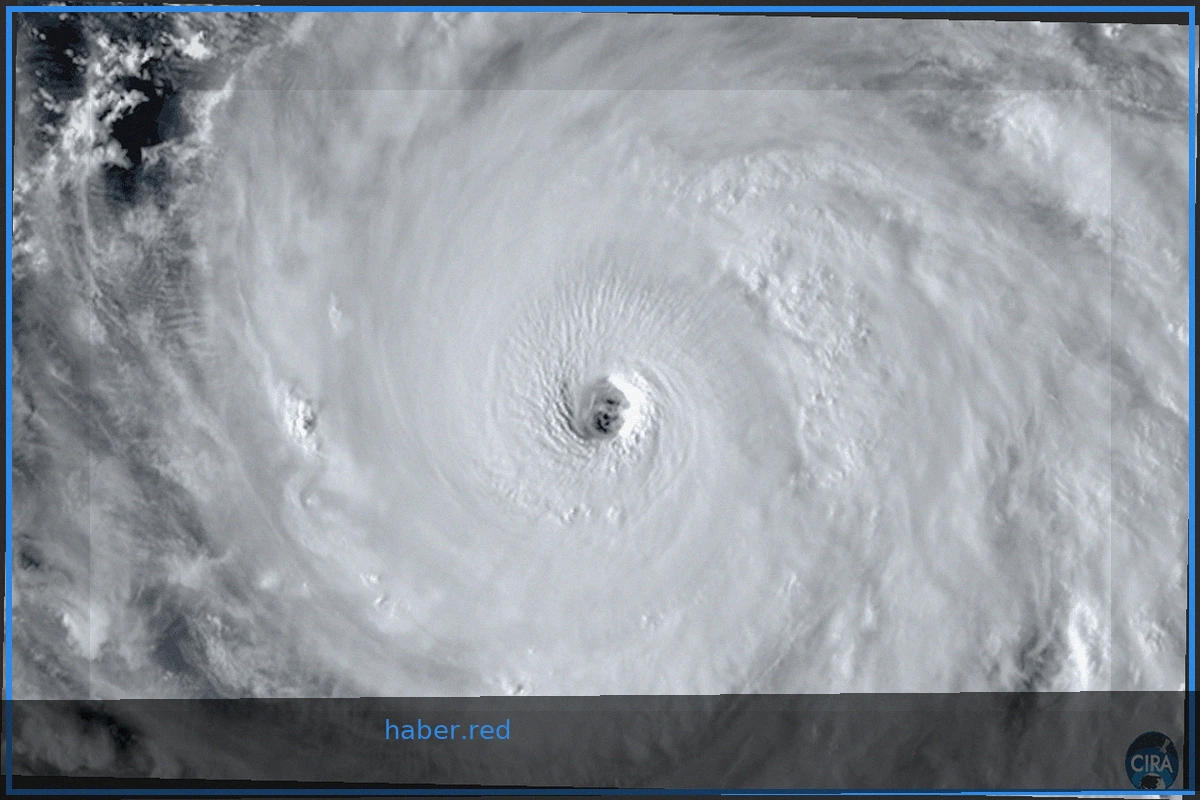
Super Typhoon Champi Sets 2026 Storm Speed Record
Super Typhoon Champi reached wind speeds of approximately 185 miles per hour (around 290 kilometers per hour) on Tuesday afternoon EST, marking the highest wind speed recorded for any storm this year. By Wednesday morning EST, Super Typhoon Champi's winds had decreased to 175 miles per ho

Physicists Trap Single Antimatter Particle for a Month
For the first time, scientists can perform quantum measurements on a single positron particle. Studying antimatter is difficult because it annihilates on contact with regular matter. However, physicists have now managed to trap a single subatomic antimatter particle for months, enabling t

Peek into hidden worlds revealed by the 2026 Nikon Small World contest
Inside a repurposed inkjet printer, ink droplets hover above a page.
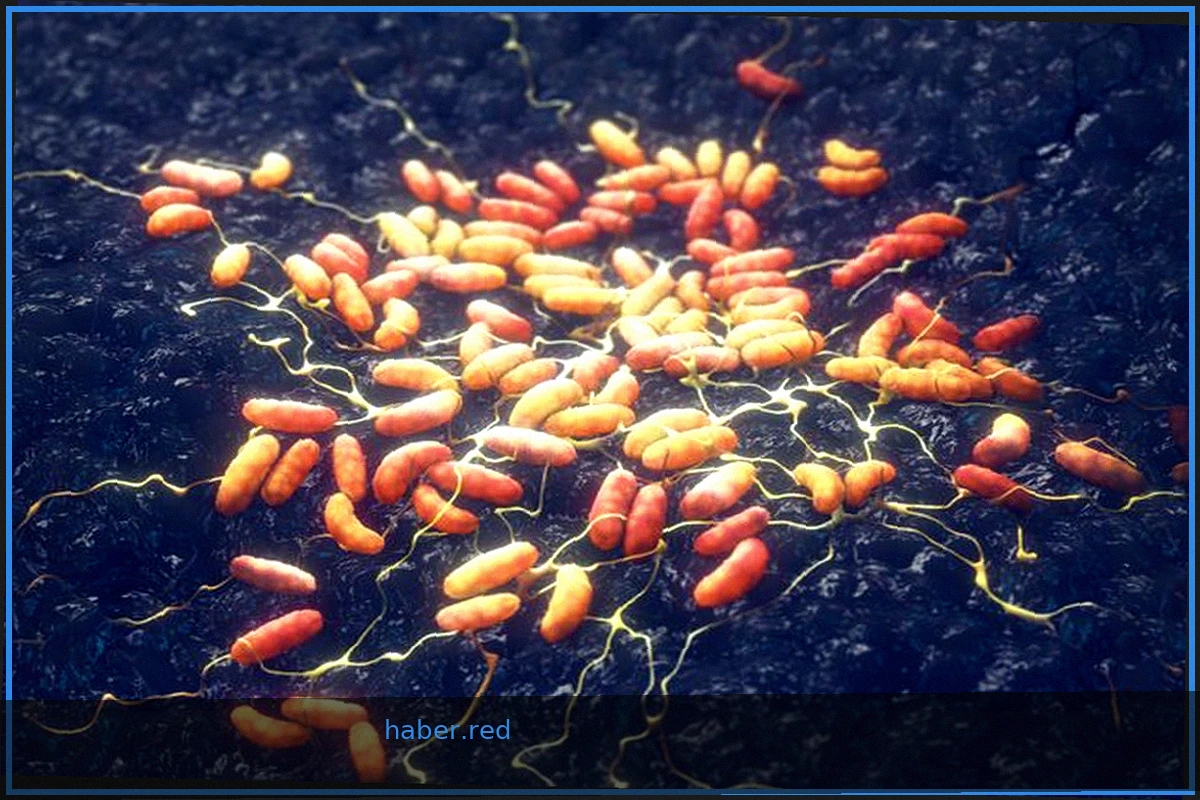
Suspected Pneumonic Plague Case Sparks Outbreak Fears
Russian authorities reported a pneumonia death of unknown cause in an employee at a Siberian lab that studies infectious diseases. The World Health Organization (WHO) is monitoring the situation and collaborating with Russian health officials. The WHO stated that while the woma

Gene Therapy and Special Goggles Restore Limited Vision
A new experimental treatment, coupled with custom-designed goggles, is allowing some blind individuals to perceive their surroundings. This advancement enables them to locate doorways and identify objects.

Extinct Crocodilian Fossils Discovered in Great Sphinx Limestone
Fossils of an extinct crocodilian, identified as Herugavialis, were found embedded in the limestone quarried for the Great Sphinx. Notably, this ancient reptile, much like the iconic statue it shares its origin stone with, appears to be missing its nose. The discovery of Herugavialis with