Physicists Trap Single Antimatter Particle for a Month
For the first time, scientists can perform quantum measurements on a single positron particle.
Studying antimatter is difficult because it annihilates on contact with regular matter. However, physicists have now managed to trap a single subatomic antimatter particle for months, enabling the examination of its quantum states. This research may help explain why the universe is composed of matter rather than antimatter.
Every matter particle has an antimatter counterpart with the same mass but opposite charge. The researchers utilized sodium 22 atoms, a radioactive isotope, as their starting point. When a sodium 22 atom decays, it releases a positron, the antimatter equivalent of an electron.
“The main challenge is getting these positrons to slow down and then capturing them,” stated Gerald Gabrielse, a physicist at Northwestern University who led the project. The team published their findings in Physical Review Letters.
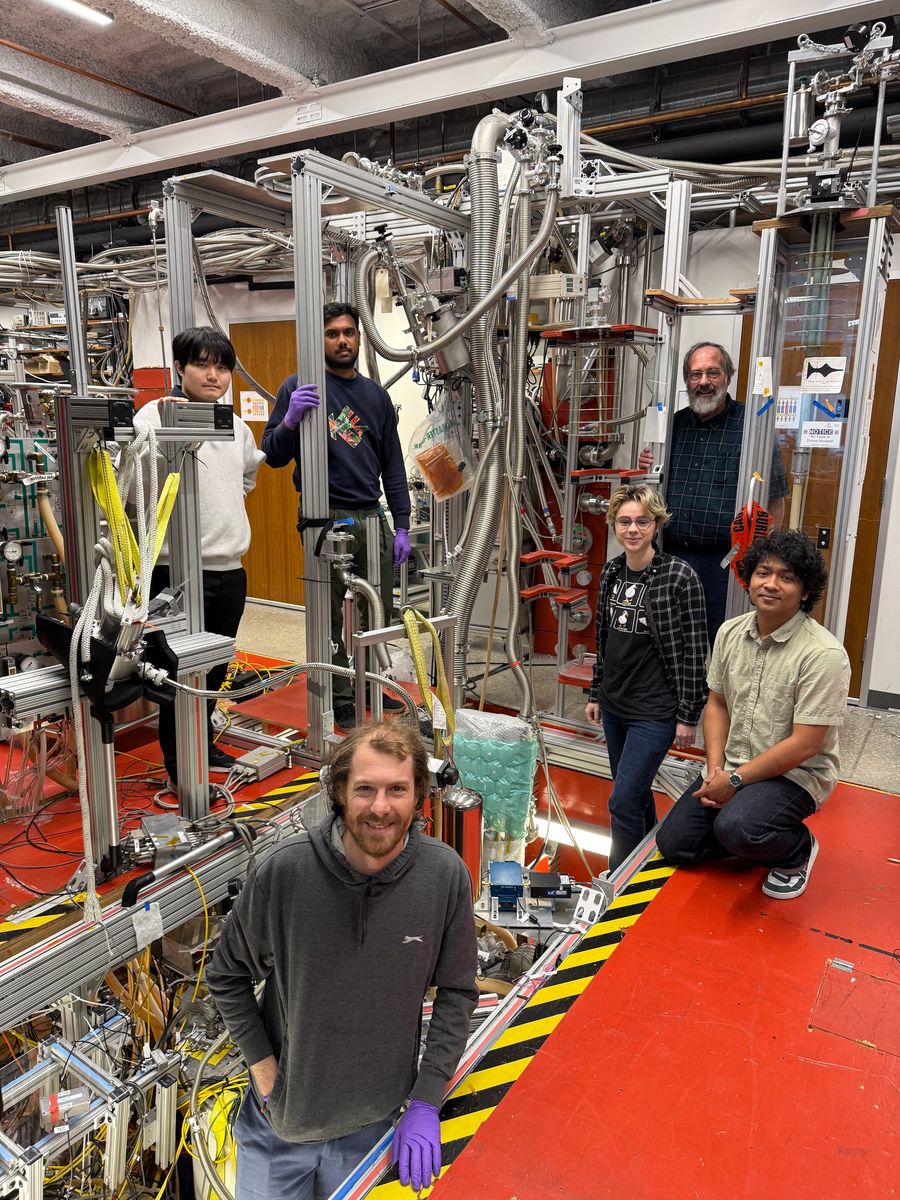
Gerald Gabrielse (top right) and his team in the lab where they trapped a positron particle for a month.
Gerald Gabrielse
The process begins by directing positrons through the crystal structure of cold tungsten. As the positrons pass through, they decelerate and lose energy. While annihilation can occur, it's not guaranteed with every collision. Gabrielse noted that if they survive the transit, they emerge from the material.
Following this, electromagnetic fields guide the positrons through a channel into a vacuum. This space is kept extremely cold, just three tenths of a degree Celsius above absolute zero, and is enclosed by electric fields top and bottom, and a magnetic field on the sides. Gabrielse explained, “If you want to hold on to antimatter, you have to hold it in a container without walls.”
This technique allowed the researchers to isolate and observe a single positron for a month, with the potential for indefinite observation.
The team plans to use this trap to perform precise measurements of the positron’s magnetic moment, which indicates the strength and orientation of its magnetic field. This requires determining the energy needed to reverse the positron's spin and the energy for it to transition from its lowest energy state to the next one.
Gabrielse's team previously measured an electron’s magnetic moment with an accuracy of one part in 10 trillion using a similar trap. Comparing this measurement for a positron will be significant. Gabrielse stated they are looking for an exactly opposite magnetic moment, as predicted by the Standard Model of particle physics. Any deviation could offer insight into the dominance of matter in our universe.
Scientists theorize that the Big Bang produced roughly equal amounts of matter and antimatter. Most of this pair annihilated, leaving a small surplus of matter that formed stars and planets. Measuring the magnetic moment is one of several avenues physicists are exploring to find differences between matter and antimatter that could account for this imbalance.
Roni Harnik, a theoretical physicist at Fermi National Accelerator Laboratory, who was not involved in the study, commented that fundamental theories suggest physics remains consistent when particles are swapped with antiparticles, reflections are applied (left-right reversal), and time is reversed. He added, "Our most basic theories say that physics stays the same."
If differences are found, such as a distinct magnetic moment for the positron compared to the electron, it could provide clues as to how matter became the dominant component.
Harnik called the development "exciting" and noted it will allow for the testing of a fundamental symmetry.
Fresh materials — Science News

Super Typhoon Champi Sets 2026 Storm Speed Record
Super Typhoon Champi reached wind speeds of approximately 185 miles per hour (around 290 kilometers per hour) on Tuesday afternoon EST, marking the highest wind speed recorded for any storm this year. By Wednesday morning EST, Super Typhoon Champi's winds had decreased to 175 miles per ho

Drop in US Overdose Deaths Not Attributed to Increased Naloxone Use
Drug overdose deaths in the United States saw an unexpected decline a few years ago, but evidence suggests this isn't because more people are being revived than before. Drug overdose fatalities peaked around 111,000 annually in mid-2023. By the close of 2025, this figure had fallen below

Peek into hidden worlds revealed by the 2026 Nikon Small World contest
Inside a repurposed inkjet printer, ink droplets hover above a page.
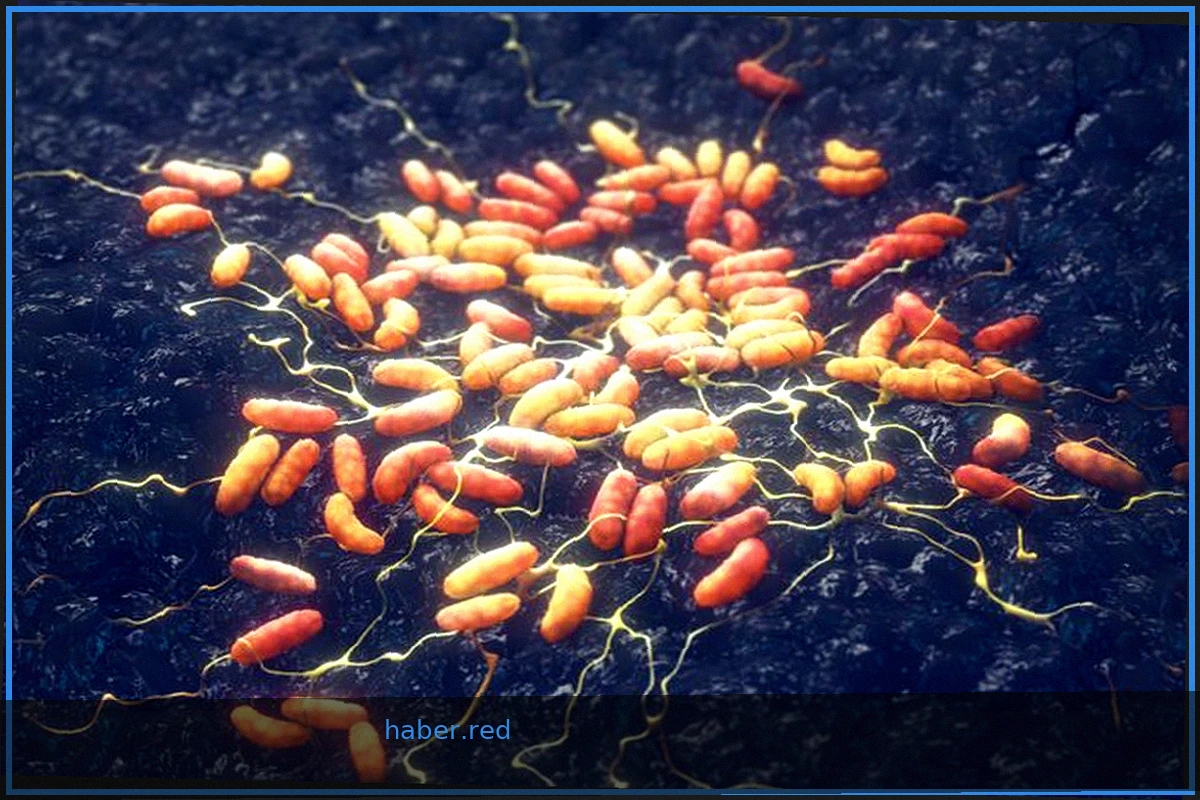
Suspected Pneumonic Plague Case Sparks Outbreak Fears
Russian authorities reported a pneumonia death of unknown cause in an employee at a Siberian lab that studies infectious diseases. The World Health Organization (WHO) is monitoring the situation and collaborating with Russian health officials. The WHO stated that while the woma

Gene Therapy and Special Goggles Restore Limited Vision
A new experimental treatment, coupled with custom-designed goggles, is allowing some blind individuals to perceive their surroundings. This advancement enables them to locate doorways and identify objects.
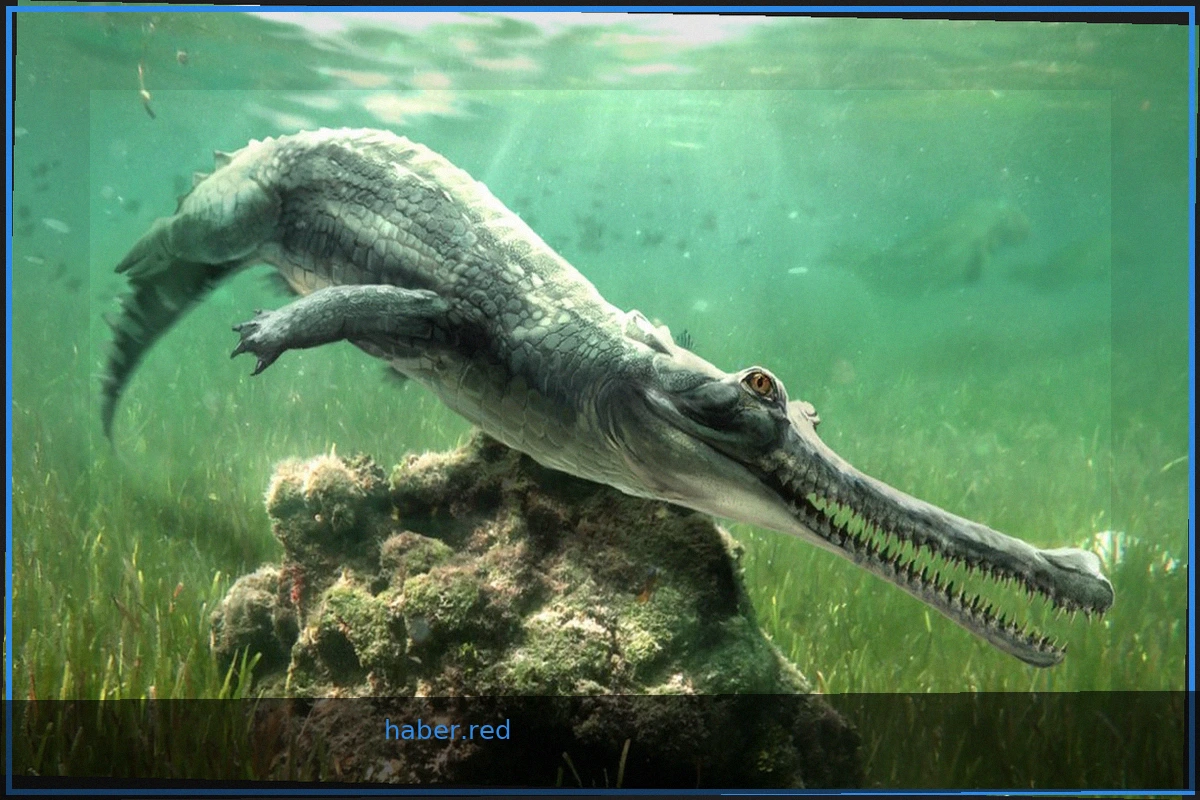
Extinct Crocodilian Fossils Discovered in Great Sphinx Limestone
Fossils of an extinct crocodilian, identified as Herugavialis, were found embedded in the limestone quarried for the Great Sphinx. Notably, this ancient reptile, much like the iconic statue it shares its origin stone with, appears to be missing its nose. The discovery of Herugavialis with