Forensic DNA Analysis Revolutionizes Ancient Manuscript Studies
Researchers are now capable of uncovering the biological secrets preserved within ancient parchments, a groundbreaking achievement made possible by forensic DNA techniques. This innovative approach allows for the extraction of genetic material from these delicate historical artifacts without causing any physical damage.
Previously, the study of ancient manuscripts was limited by the need to handle and sometimes even sample the material, posing a risk to their preservation. However, modern forensic DNA methods offer a non-destructive way to access the rich biological information contained within. This includes identifying the species of animal from which the parchment was derived, shedding light on ancient agricultural practices, trade routes, and even the social status of the original owners.
By analyzing the DNA fragments, scholars can gain unprecedented insights into the origin of the materials used to create these documents, as well as potentially identify the presence of human DNA from those who handled them. This opens up new avenues for understanding the history, context, and human interaction surrounding ancient texts, offering a more comprehensive and nuanced perspective than ever before.
Fresh materials — Science News
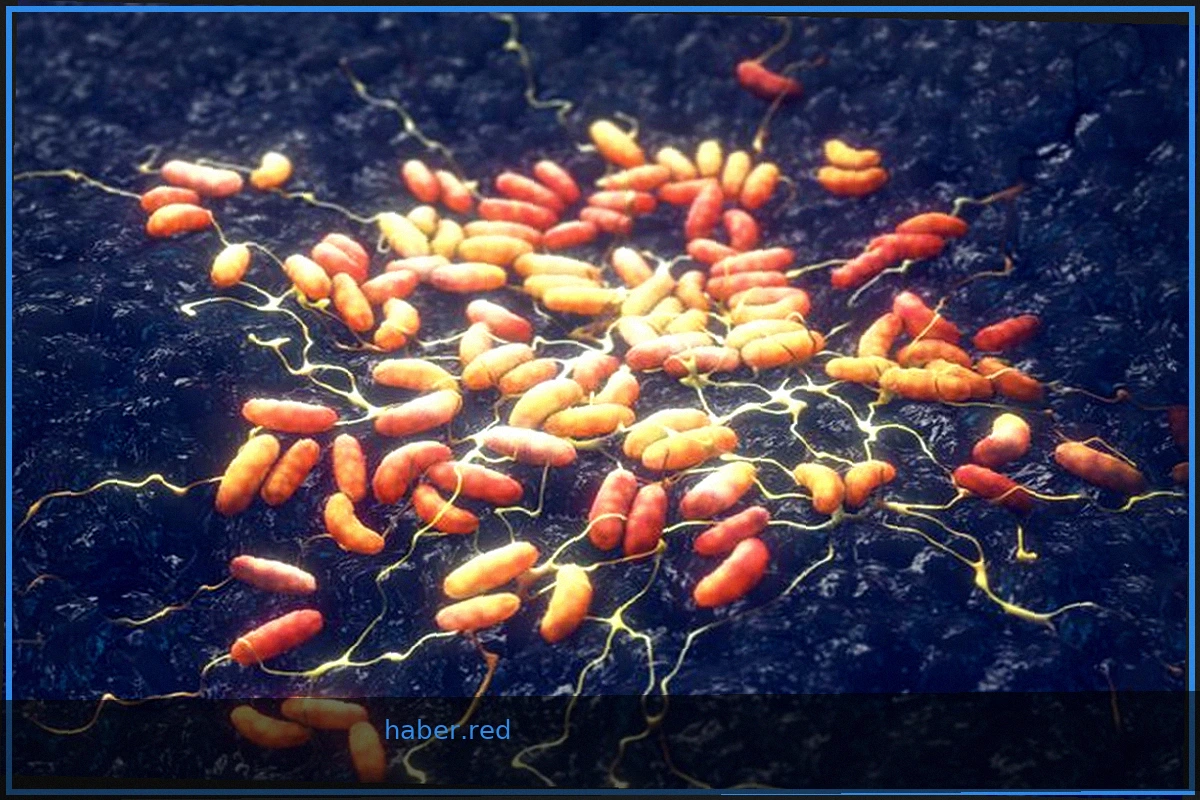
Suspected Pneumonic Plague Case Sparks Outbreak Fears
Russian authorities reported a pneumonia death of unknown cause in an employee at a Siberian lab that studies infectious diseases. The World Health Organization (WHO) is monitoring the situation and collaborating with Russian health officials. The WHO stated that while the woma
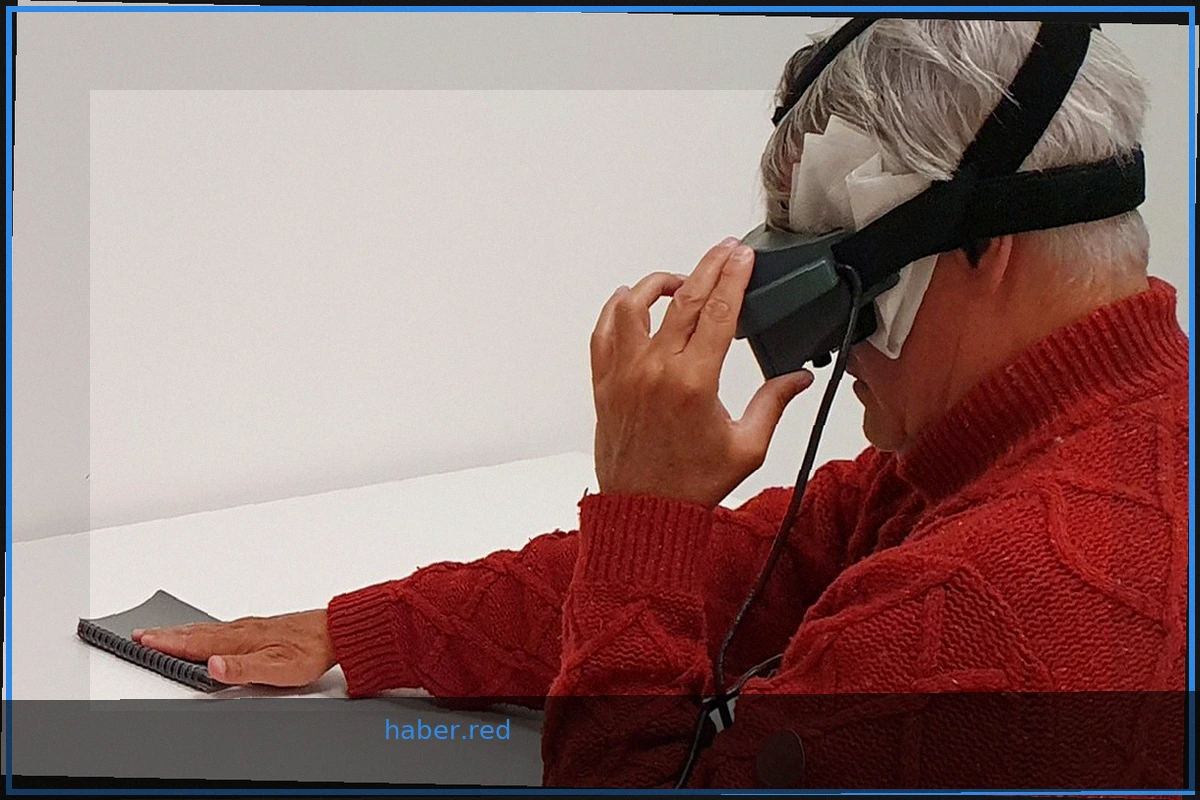
Gene Therapy and Special Goggles Restore Limited Vision
A new experimental treatment, coupled with custom-designed goggles, is allowing some blind individuals to perceive their surroundings. This advancement enables them to locate doorways and identify objects.
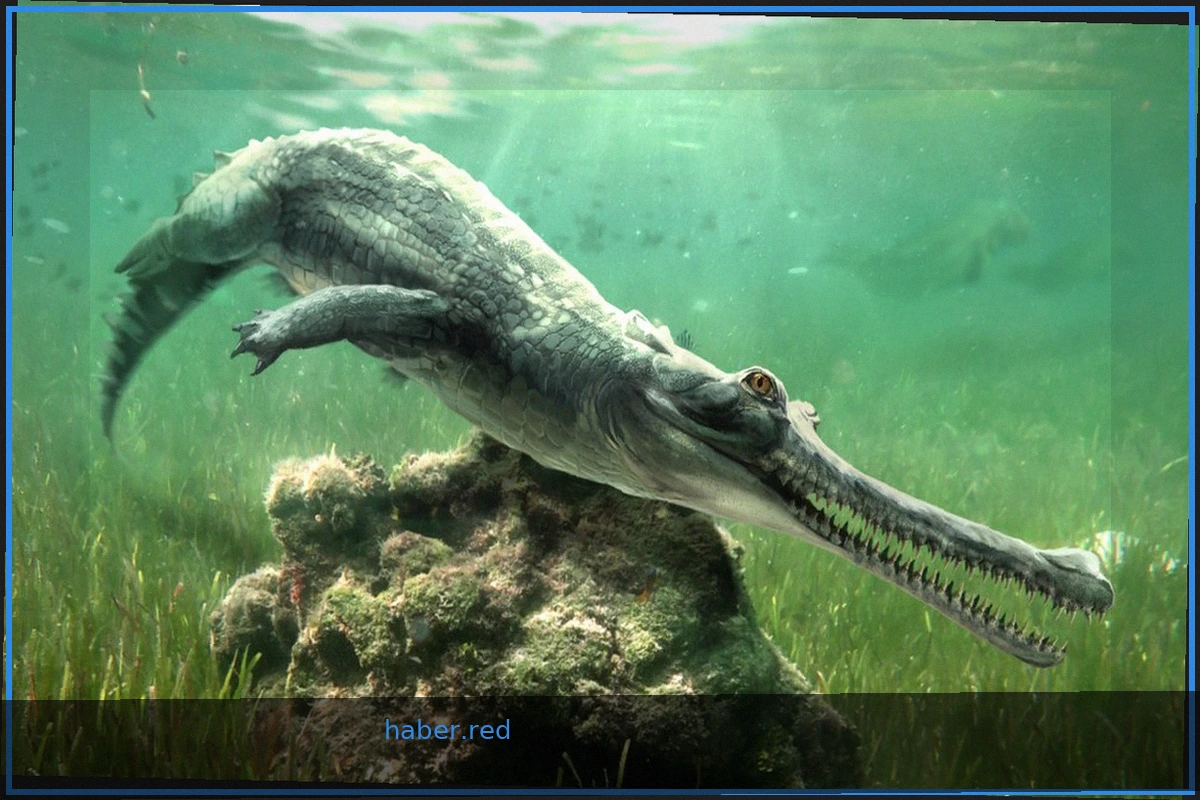
Extinct Crocodilian Fossils Discovered in Great Sphinx Limestone
Fossils of an extinct crocodilian, identified as Herugavialis, were found embedded in the limestone quarried for the Great Sphinx. Notably, this ancient reptile, much like the iconic statue it shares its origin stone with, appears to be missing its nose. The discovery of Herugavialis with

Blockbuster Retatrutide Trial: A New Benchmark for Weight-Loss Drugs
The experimental weight-loss drug retatrutide has reached a significant milestone: a Phase 3 clinical trial showed participants with type 2 diabetes losing up to 49.6 pounds, or over 20 percent of their body weight. Eli Lilly, the drug's developer, reported this as a first for the field.

NASA Pursues Uncrewed and Crewed Missions with Boeing's Starliner
Boeing's Starliner spacecraft will attempt to fly NASA astronauts to space again, this time following an uncrewed test flight to the International Space Station (ISS). NASA administrator Bill Nelson announced that the capsule is scheduled for an uncrewed mission as early as December. This represe
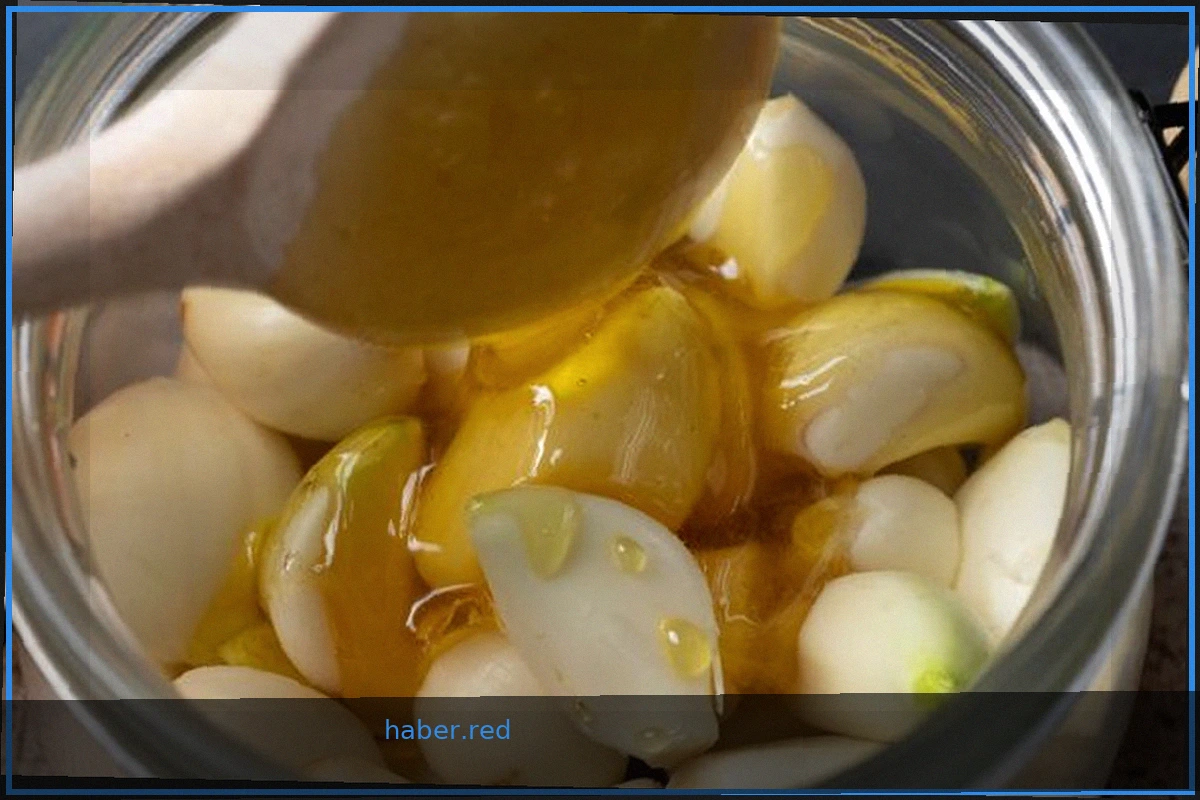
TikTok promotes home remedy that risks botulism
A homemade concoction of garlic fermented in honey, trending on TikTok for its supposed immune-boosting properties, carries a serious risk of causing botulism, according to health experts. Influencers on the platform are promoting this mixture in numerous videos, claiming it