New Fossil Discoveries Challenge Cambrian Explosion Timeline
A recent and extraordinary collection of fossil finds from China is prompting a significant re-evaluation among scientists regarding the evolutionary timeline of complex animals. These remarkable specimens challenge the long-held notion of the Cambrian Explosion as an almost instantaneous burst of diverse life forms.
For decades, the Cambrian period, roughly 541 to 485 million years ago, has been understood as a pivotal era marked by the rapid emergence and diversification of nearly all major animal phyla. This "explosion" was characterized by the sudden appearance of intricate multicellular organisms in the fossil record.
However, the newly unearthed "treasure trove" of fossils suggests a more extended, perhaps less abrupt, evolutionary progression for sophisticated animal forms. This evidence indicates that the groundwork for complex biological structures and functions might have been laid down more gradually, pushing back the perceived origins of these traits.
Consequently, the traditional picture of the Cambrian Explosion — a dramatic and swift biological "big bang" — may need to be refined. The findings imply a longer, more incremental build-up to the diverse ecosystems that ultimately flourished during the Cambrian, suggesting that the "explosion" was, in fact, a more prolonged and nuanced evolutionary unfolding than previously believed.
Fresh materials — Science News
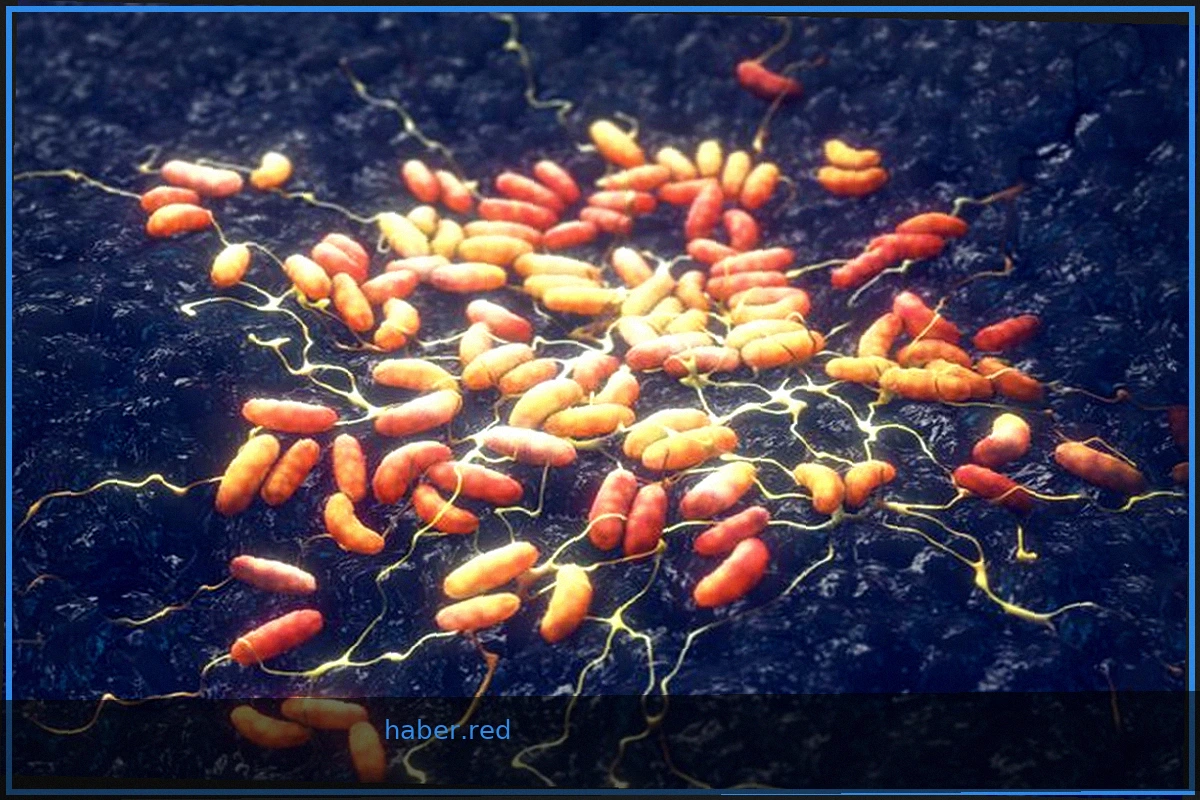
Suspected Pneumonic Plague Case Sparks Outbreak Fears
Russian authorities reported a pneumonia death of unknown cause in an employee at a Siberian lab that studies infectious diseases. The World Health Organization (WHO) is monitoring the situation and collaborating with Russian health officials. The WHO stated that while the woma

Gene Therapy and Special Goggles Restore Limited Vision
A new experimental treatment, coupled with custom-designed goggles, is allowing some blind individuals to perceive their surroundings. This advancement enables them to locate doorways and identify objects.
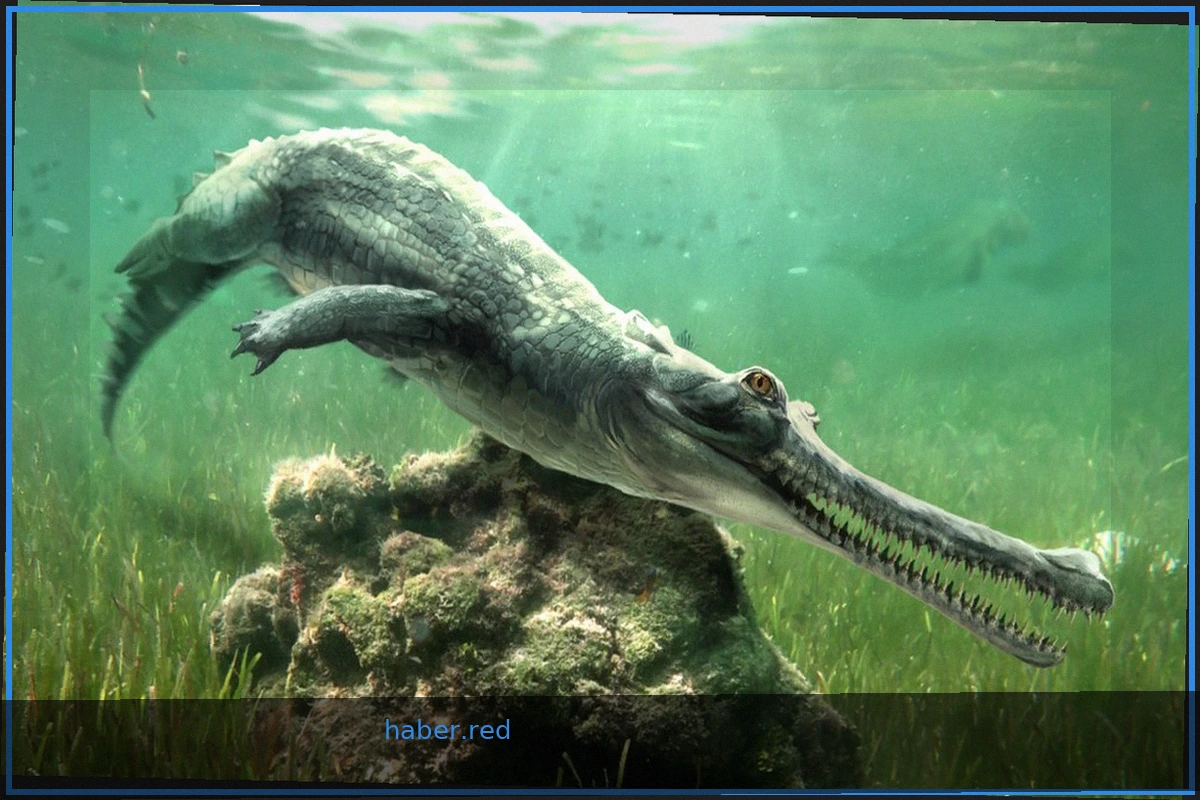
Extinct Crocodilian Fossils Discovered in Great Sphinx Limestone
Fossils of an extinct crocodilian, identified as Herugavialis, were found embedded in the limestone quarried for the Great Sphinx. Notably, this ancient reptile, much like the iconic statue it shares its origin stone with, appears to be missing its nose. The discovery of Herugavialis with

Blockbuster Retatrutide Trial: A New Benchmark for Weight-Loss Drugs
The experimental weight-loss drug retatrutide has reached a significant milestone: a Phase 3 clinical trial showed participants with type 2 diabetes losing up to 49.6 pounds, or over 20 percent of their body weight. Eli Lilly, the drug's developer, reported this as a first for the field.

NASA Pursues Uncrewed and Crewed Missions with Boeing's Starliner
Boeing's Starliner spacecraft will attempt to fly NASA astronauts to space again, this time following an uncrewed test flight to the International Space Station (ISS). NASA administrator Bill Nelson announced that the capsule is scheduled for an uncrewed mission as early as December. This represe

TikTok promotes home remedy that risks botulism
A homemade concoction of garlic fermented in honey, trending on TikTok for its supposed immune-boosting properties, carries a serious risk of causing botulism, according to health experts. Influencers on the platform are promoting this mixture in numerous videos, claiming it