Scientists are using AI to design new viruses. Should they be?
Scientists have achieved a significant milestone in artificial intelligence by using the technology to create entirely new viruses. This advancement, while impressive, sparks concerns about the potential for AI to engineer more dangerous viruses than those found in nature in the near future.
The viruses developed by researchers are not entirely novel creations but are over 90% similar to existing bacteriophages, which are viruses that infect bacteria. These new viruses are specifically harmful to Escherichia coli and were designed by an AI model not trained on viruses capable of infecting plants or animals.
However, these safety measures were largely voluntary, and the research, published in Science, highlights that AI-driven biotechnology is progressing much faster than regulatory frameworks.
“The frontier is moving very quickly,” states Toby Webster, a program director at Sentinel Bio, a nonprofit focused on biotech safeguards.
The Science paper detailing the AI-designed bacteriophages is already somewhat dated, having first appeared as a preprint on the bioRxiv server in September 2025. The AI model is open-source and has already been adapted for other applications.
With further training, future AI models could propose entirely new gene sequences for viruses or bacteria that evolution has not yet encountered, according to Doni Bloomfield, an associate professor of law at Fordham University School of Law specializing in biosecurity. Future AI systems might also guide non-experts in biological design, potentially enabling malicious actors to create novel bioweapons.
“We should be very cautious about extending this work into viruses that can infect more complex life,” Bloomfield advises. “I don’t think we are at the point where we should be doing that without safeguards.”
Biosecurity is not a new concern in science. Existing regulations govern laboratory safety, biological research, genetic modifications, and the handling of dangerous pathogens, notes Filippa Lentzos, an associate professor at King’s College London who studies biosecurity.
“The challenge,” she explains, “is to connect that existing governance to the new upstream capability to design biology digitally.”
The potential benefits of AI-enabled research are substantial. New bacteriophages could be developed to target and eliminate antibiotic-resistant bacteria, or novel viral “shells” could be utilized for the safe delivery of gene therapies and other disease treatments. AI models may also offer new insights into how genomes are organized, according to Bloomfield.
To mitigate risks while harnessing benefits, Bloomfield and his colleagues propose a tiered access system for AI training data. This system would restrict information that could teach AI to enhance viral transmissibility, virulence, immune evasion, or resistance to medical treatments and countermeasures, similar to the current biosafety level system that limits access to pathogens like Ebola to high-security laboratories.
Another potential safeguard involves improving the screening of DNA and RNA sequences ordered from specialized suppliers. Many suppliers voluntarily check orders to prevent the creation of dangerous products. However, Microsoft recently discovered that AI-generated toxic protein sequences, simpler than viral genomes, bypassed these safety checks, prompting them to release software patches to address the vulnerability.
Understanding fundamental knowledge gaps complicates the development of new regulations. For instance, it remains unclear how training data directly translates to a model's capabilities, says Allison Berke, a senior engineer at the RAND Center on AI, Security, and Technology. Would AI models require specific training data on flu viruses to replicate the 1918 pandemic flu, or could they infer such a virus from a broader dataset of viral genomes? The latter scenario presents a greater challenge for security.
The pace of AI learning also remains a question.
“If we see indications of the beginnings of a viral design capability, does that mean we will get full 100 percent viral design capabilities in a year, in six months?” Berke asks. “We don’t have a great sense of how that capability curve is progressing.”
Both scientists and policymakers are increasingly discussing these issues with urgency, notes Tessa Alexanian, a technical lead at the International Biosecurity and Biosafety Initiative for Science. The authors of the new bacteriophage study themselves advocate for more robust biosecurity approaches. However, Alexanian points out that policymakers also fear overregulation could stifle beneficial research. In the U.S., lawmakers appear to be awaiting a “shocking demonstration” of biological capabilities before taking action, according to Berke.
This situation suggests that research may continue to outpace regulation for the foreseeable future.
“It’s great to see lots of people in this field caring about creating and releasing these powerful models responsibly, but they aren’t required to and often lack official guidance to navigate this properly,” Webster observes. “Currently we’re running on a lot of goodwill.”
Fresh materials — Science News

Blockbuster Retatrutide Trial: A New Benchmark for Weight-Loss Drugs
The experimental weight-loss drug retatrutide has reached a significant milestone: a Phase 3 clinical trial showed participants with type 2 diabetes losing up to 49.6 pounds, or over 20 percent of their body weight. Eli Lilly, the drug's developer, reported this as a first for the field.
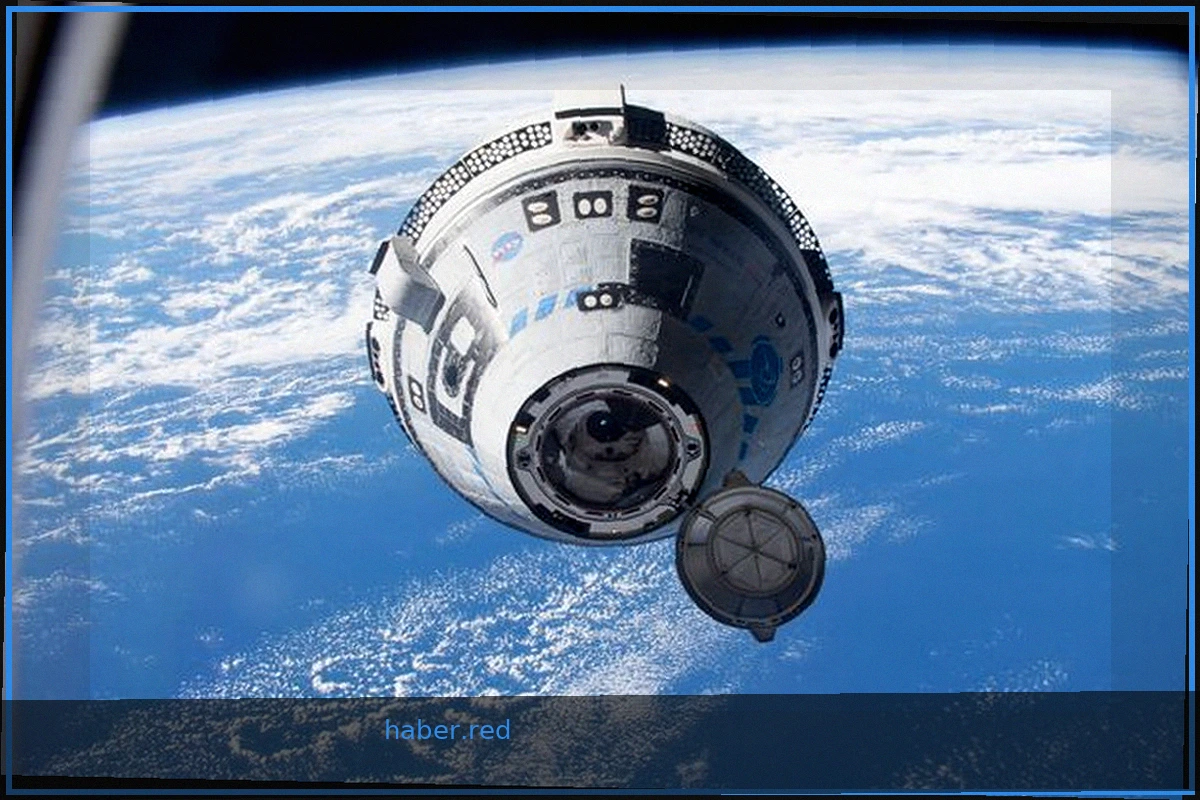
NASA Pursues Uncrewed and Crewed Missions with Boeing's Starliner
Boeing's Starliner spacecraft will attempt to fly NASA astronauts to space again, this time following an uncrewed test flight to the International Space Station (ISS). NASA administrator Bill Nelson announced that the capsule is scheduled for an uncrewed mission as early as December. This represe

TikTok promotes home remedy that risks botulism
A homemade concoction of garlic fermented in honey, trending on TikTok for its supposed immune-boosting properties, carries a serious risk of causing botulism, according to health experts. Influencers on the platform are promoting this mixture in numerous videos, claiming it
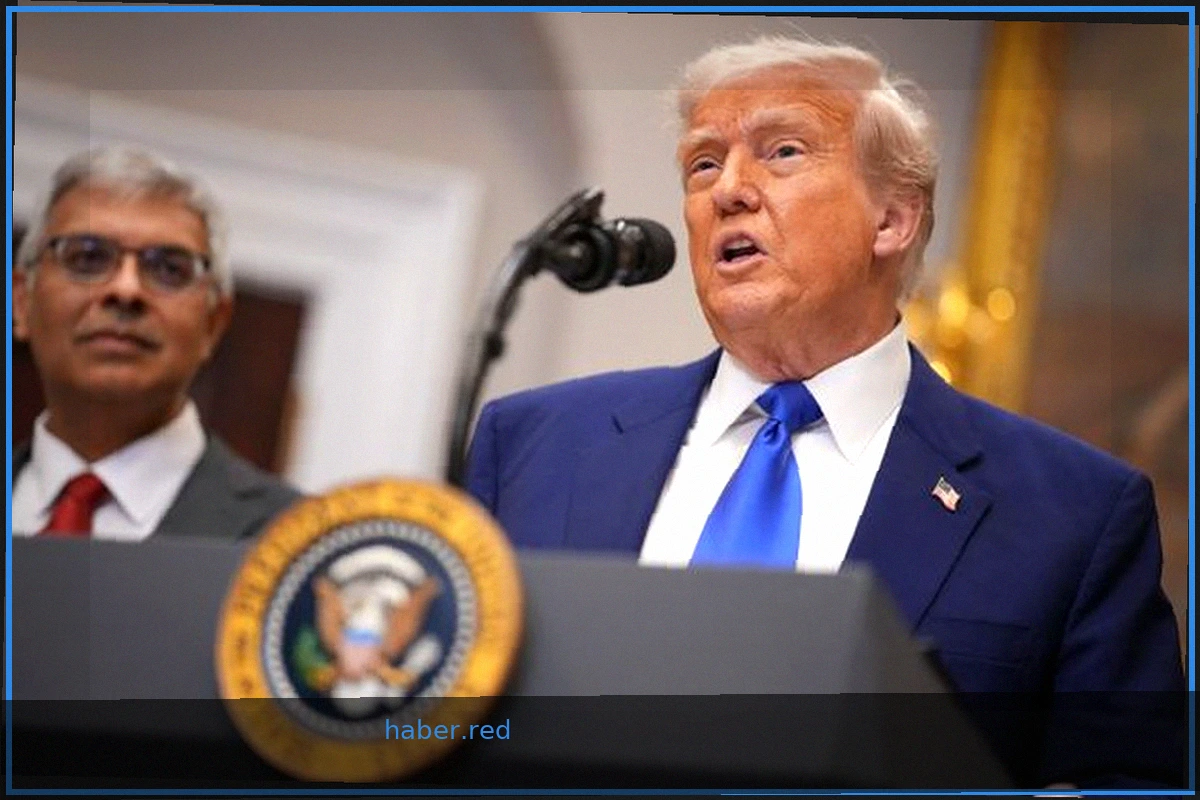
Trump's Proposed Executive Order on NIH Funding: A Threat to Scientific Independence and Innovation
A reported plan by President Donald Trump to establish a committee that would oversee, and potentially veto, scientific grants from the nation's leading health agency could diminish U.S. scientific and innovation leadership, according to advocates and researchers. This proposed

Missing Pages of Henry VIII Manuscript Rediscovered
Six pages, missing for centuries from a 600-year-old religious manuscript, have resurfaced. This book once belonged to an attendant of King Henry VIII and offers insights into the religious changes and shifting loyalties of the Tudor court. The book, Mirror of the Blessed Life of Jesus Chri

Japan Achieves Centenarian Milestone: Over 100,000 Citizens Reach 100+
The number of people living to 100 or older in Japan has surpassed 100,000. This new record indicates a continued increase in global lifespans. Japan's high life expectancy is attributed to several factors: low obesity rates, healthy eating habits, widespread medical check-ups, and accessible he