Synthetic Skin, Coral Reefs, and Imaginary Worlds: Exploring Scientific Frontiers
This article delves into groundbreaking advancements in synthetic materials, critical issues facing coral ecosystems, and fascinating historical hypotheses about hypothetical planets, offering a comprehensive look at both real-world scientific challenges and imaginative cosmic concepts.
Stanford University researchers have engineered a novel synthetic polymer capable of dynamically altering its texture and color. This innovative "smart skin" can achieve remarkable changes in appearance, from smooth to rugged and transparent to opaque, by controlled exposure to electron beams followed by immersion in water. This allows it to emulate the sophisticated camouflage abilities seen in creatures like octopuses and chameleons.
Our journey continues beneath the waves to address the critical issue of coral bleaching. Researcher Camilla Rinaldi explains the fundamental nature of corals, the devastating reasons behind their decline, and the current scientific strategies being explored to protect and restore these vital marine ecosystems.
Finally, we venture into the cosmos to explore both the realms of science fiction and historical scientific speculation regarding "anti-planets" and other hypothetical celestial bodies. The concept of an "Anti-Earth" dates back to the Pythagorean philosopher Philolaus, who posited a planet mirroring Earth's orbit but perpetually hidden on the opposite side of the Sun. Another notable example is "Vulcan," a hypothetical planet once theorized in the 19th century to exist between the Sun and Mercury, intended to explain observed anomalies in Mercury's orbit. Subsequent astronomical observations definitively debunked Vulcan's existence, with Albert Einstein's theory of general relativity later providing the correct explanation for Mercury's orbital peculiarities.
Fresh materials — Science News
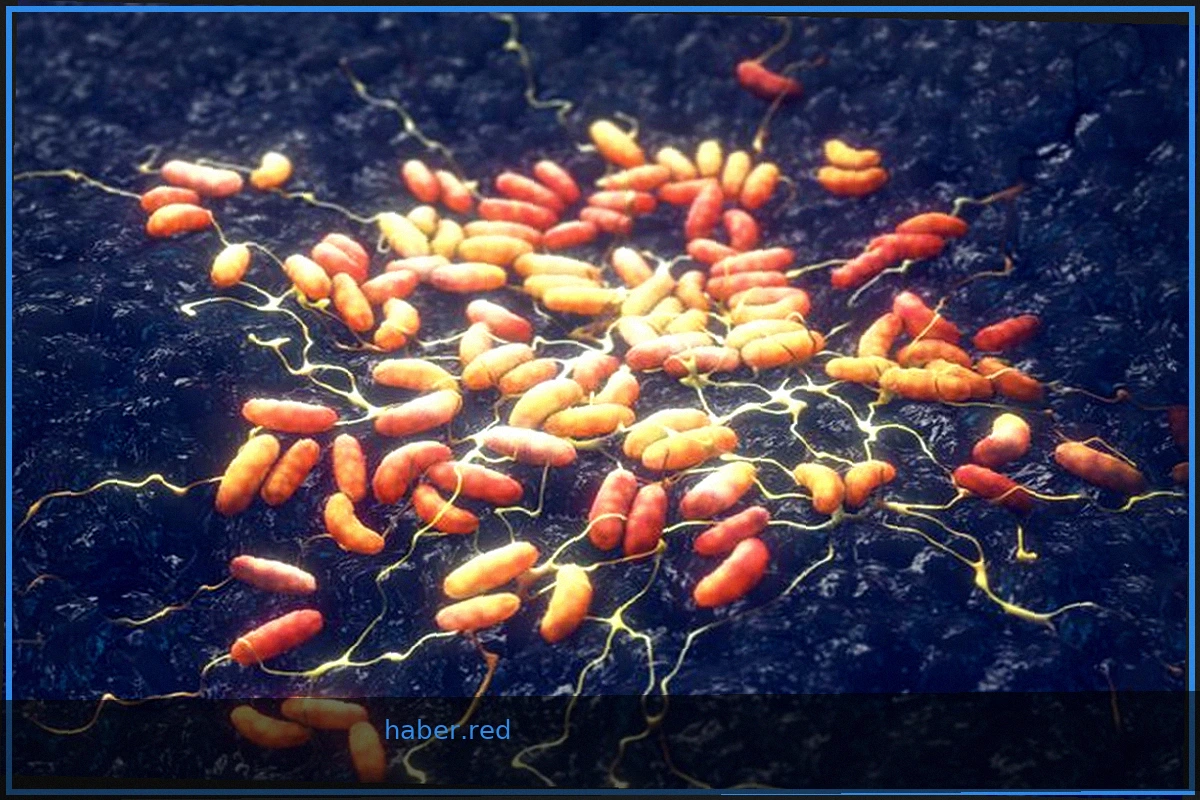
Suspected Pneumonic Plague Case Sparks Outbreak Fears
Russian authorities reported a pneumonia death of unknown cause in an employee at a Siberian lab that studies infectious diseases. The World Health Organization (WHO) is monitoring the situation and collaborating with Russian health officials. The WHO stated that while the woma
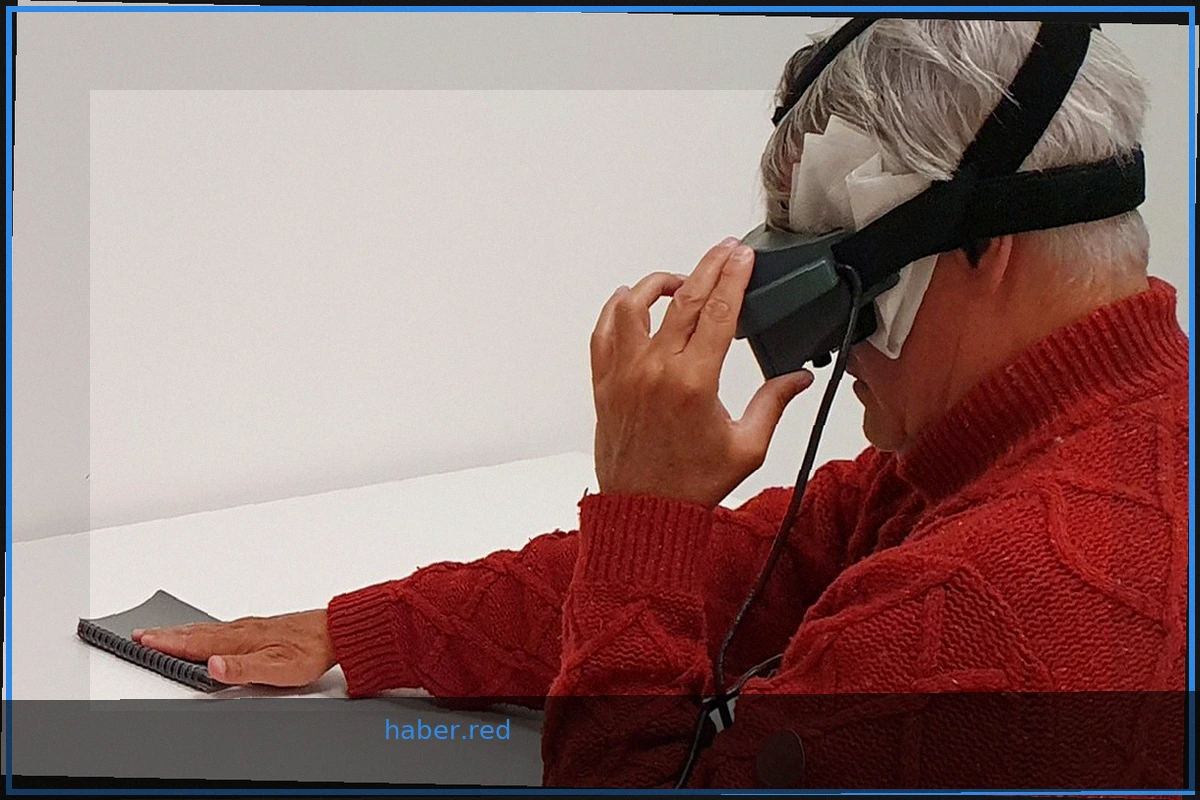
Gene Therapy and Special Goggles Restore Limited Vision
A new experimental treatment, coupled with custom-designed goggles, is allowing some blind individuals to perceive their surroundings. This advancement enables them to locate doorways and identify objects.
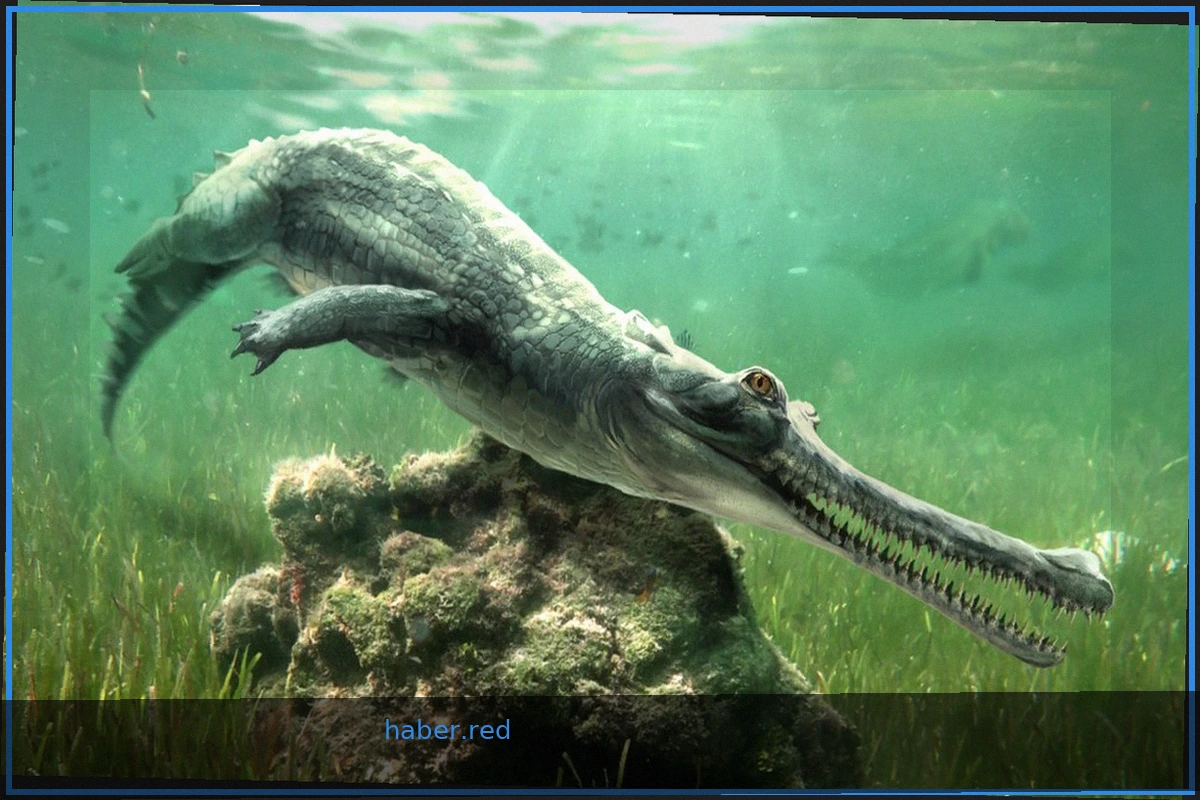
Extinct Crocodilian Fossils Discovered in Great Sphinx Limestone
Fossils of an extinct crocodilian, identified as Herugavialis, were found embedded in the limestone quarried for the Great Sphinx. Notably, this ancient reptile, much like the iconic statue it shares its origin stone with, appears to be missing its nose. The discovery of Herugavialis with

Blockbuster Retatrutide Trial: A New Benchmark for Weight-Loss Drugs
The experimental weight-loss drug retatrutide has reached a significant milestone: a Phase 3 clinical trial showed participants with type 2 diabetes losing up to 49.6 pounds, or over 20 percent of their body weight. Eli Lilly, the drug's developer, reported this as a first for the field.
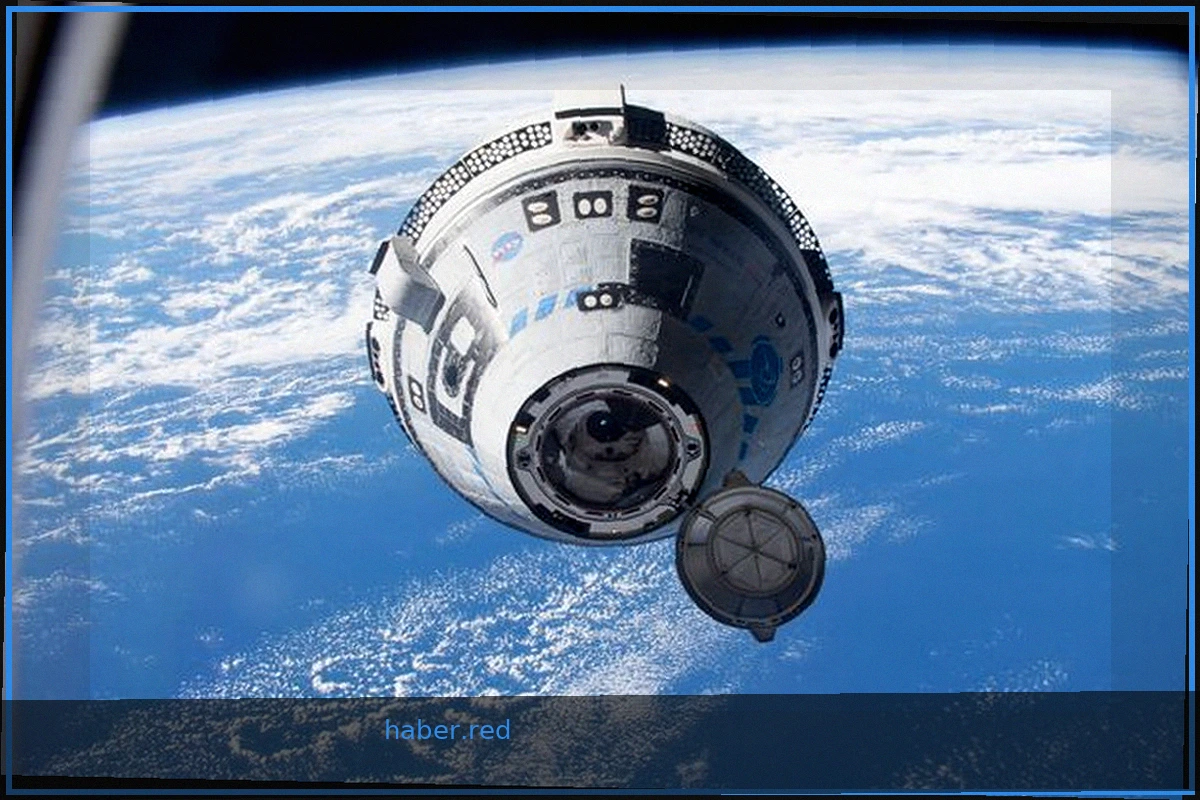
NASA Pursues Uncrewed and Crewed Missions with Boeing's Starliner
Boeing's Starliner spacecraft will attempt to fly NASA astronauts to space again, this time following an uncrewed test flight to the International Space Station (ISS). NASA administrator Bill Nelson announced that the capsule is scheduled for an uncrewed mission as early as December. This represe

TikTok promotes home remedy that risks botulism
A homemade concoction of garlic fermented in honey, trending on TikTok for its supposed immune-boosting properties, carries a serious risk of causing botulism, according to health experts. Influencers on the platform are promoting this mixture in numerous videos, claiming it