Why ‘Neil the Seal’ is Causing Chaos in Tasmania
A formidable one-ton elephant seal, affectionately nicknamed 'Neil', has become an internet sensation in Tasmania due to his disruptive encounters with vehicles and local infrastructure. While his antics have been widely shared and amused many, biologists offer a deeper, more concerning perspective on his actions.
The marine mammal's unusual behavior, which includes ramming into cars and causing damage, is not merely playful mischief. Experts suggest that Neil's actions stem from a fundamental biological need and a potential sign of distress. Elephant seals are naturally inclined to seek out haul-out sites on land for resting, breeding, and molting. However, the increasing encroachment of human development on coastal areas means that traditional and safe resting spots are becoming scarce.
Biologists theorize that Neil is likely searching for a suitable place to rest and feel secure. When his attempts to find a safe haven are thwarted by human structures, his frustration and instinct to find a secure location can lead to aggressive interactions with his surroundings, including vehicles. This behavior is a stark reminder of the impact human activity can have on wildlife, displacing animals from their natural habitats and forcing them into uncomfortable and potentially dangerous situations.
The viral fame of 'Neil the seal' serves as an unintended, yet powerful, illustration of the challenges faced by marine life in adapting to a human-dominated world. Conservationists hope that this attention will foster greater awareness and encourage more responsible land use and coastal management practices to protect vulnerable species like elephant seals.
Fresh materials — Science News
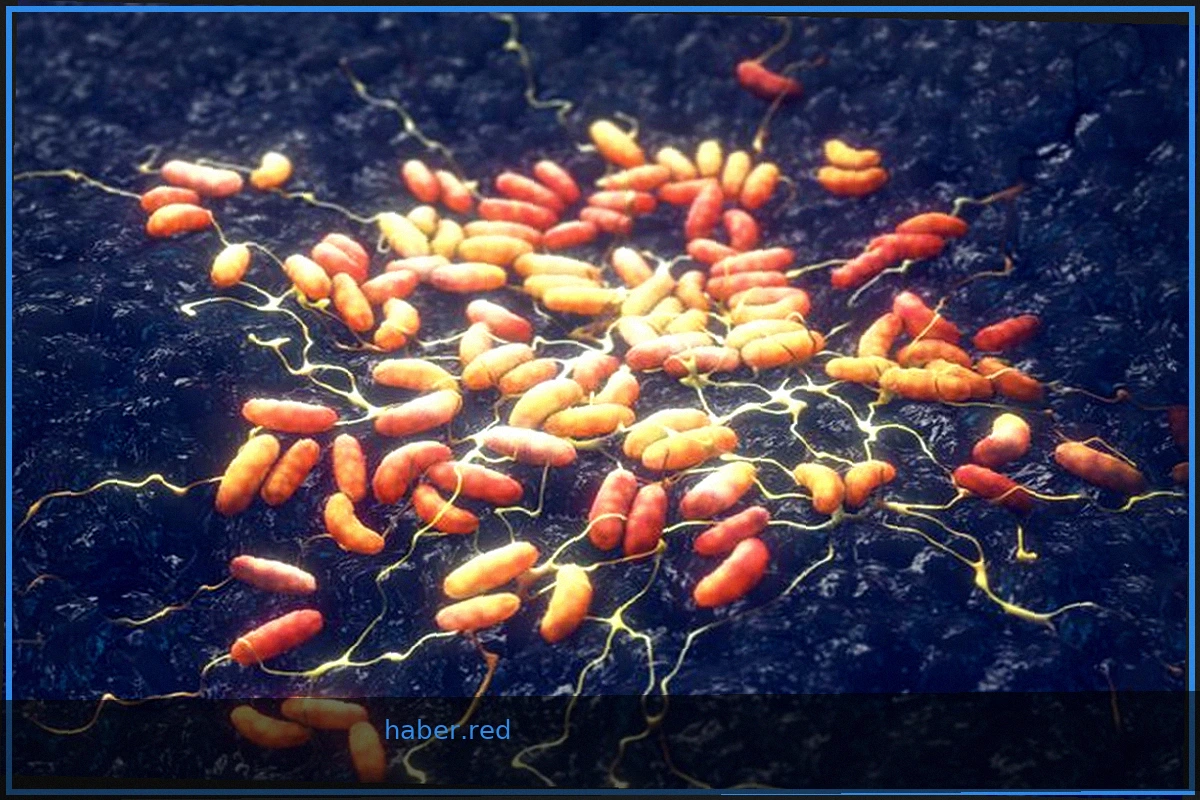
Suspected Pneumonic Plague Case Sparks Outbreak Fears
Russian authorities reported a pneumonia death of unknown cause in an employee at a Siberian lab that studies infectious diseases. The World Health Organization (WHO) is monitoring the situation and collaborating with Russian health officials. The WHO stated that while the woma
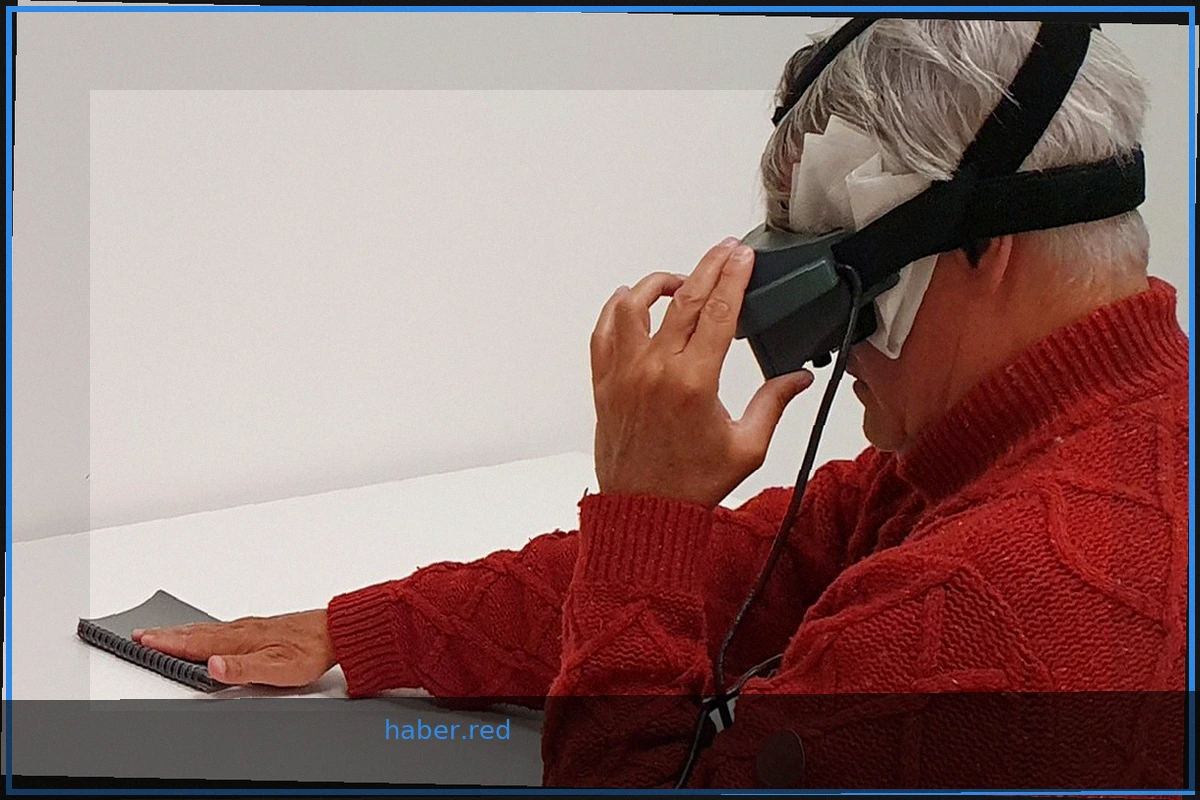
Gene Therapy and Special Goggles Restore Limited Vision
A new experimental treatment, coupled with custom-designed goggles, is allowing some blind individuals to perceive their surroundings. This advancement enables them to locate doorways and identify objects.
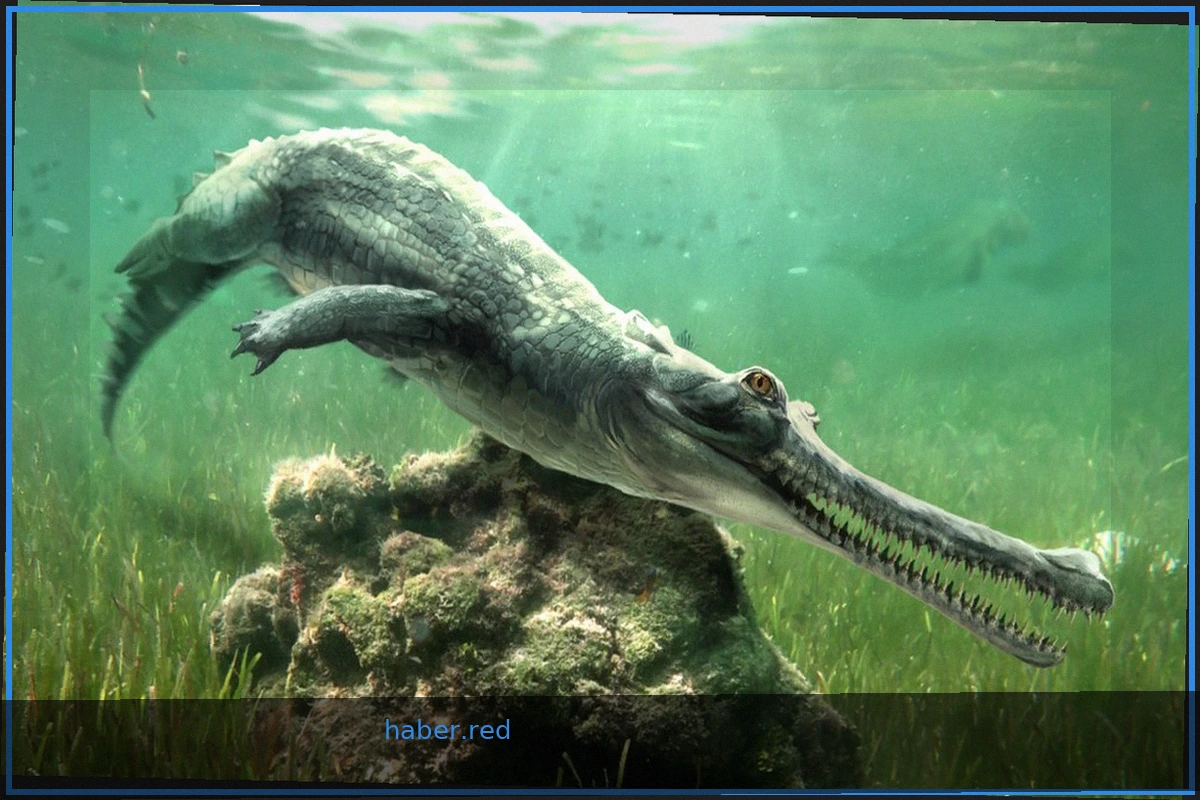
Extinct Crocodilian Fossils Discovered in Great Sphinx Limestone
Fossils of an extinct crocodilian, identified as Herugavialis, were found embedded in the limestone quarried for the Great Sphinx. Notably, this ancient reptile, much like the iconic statue it shares its origin stone with, appears to be missing its nose. The discovery of Herugavialis with

Blockbuster Retatrutide Trial: A New Benchmark for Weight-Loss Drugs
The experimental weight-loss drug retatrutide has reached a significant milestone: a Phase 3 clinical trial showed participants with type 2 diabetes losing up to 49.6 pounds, or over 20 percent of their body weight. Eli Lilly, the drug's developer, reported this as a first for the field.
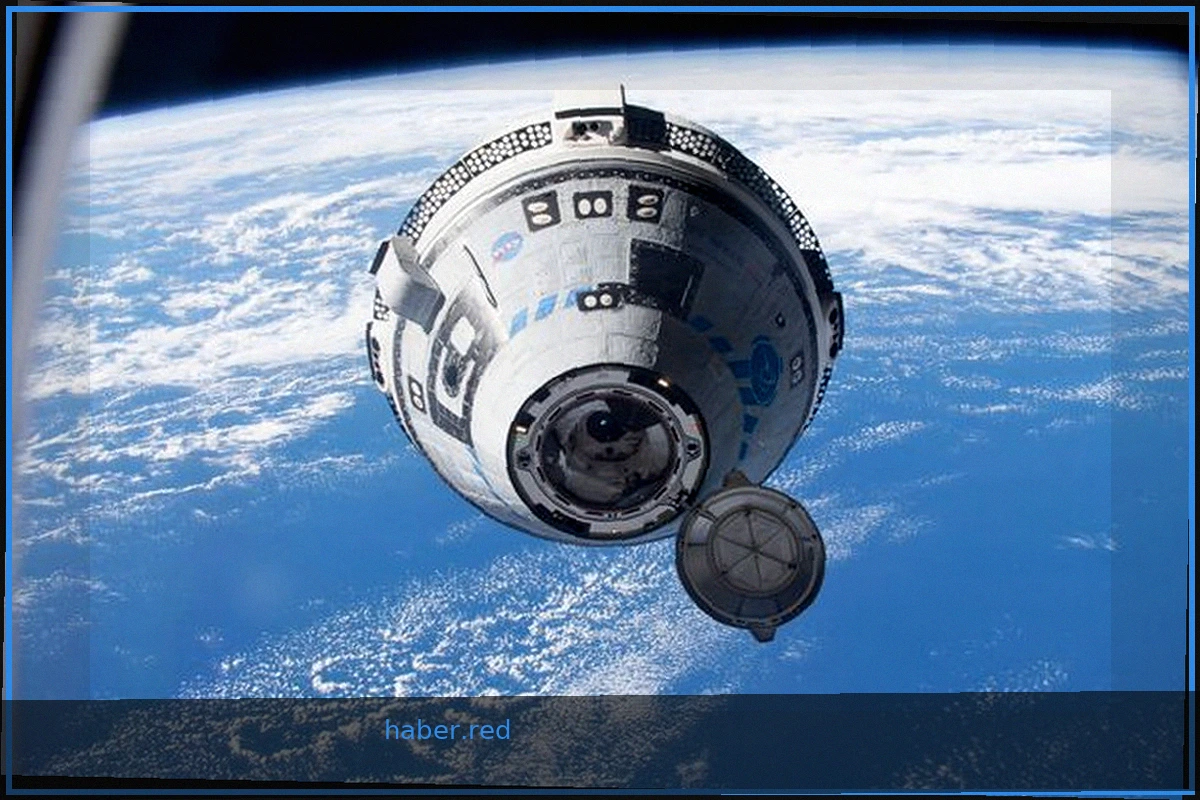
NASA Pursues Uncrewed and Crewed Missions with Boeing's Starliner
Boeing's Starliner spacecraft will attempt to fly NASA astronauts to space again, this time following an uncrewed test flight to the International Space Station (ISS). NASA administrator Bill Nelson announced that the capsule is scheduled for an uncrewed mission as early as December. This represe
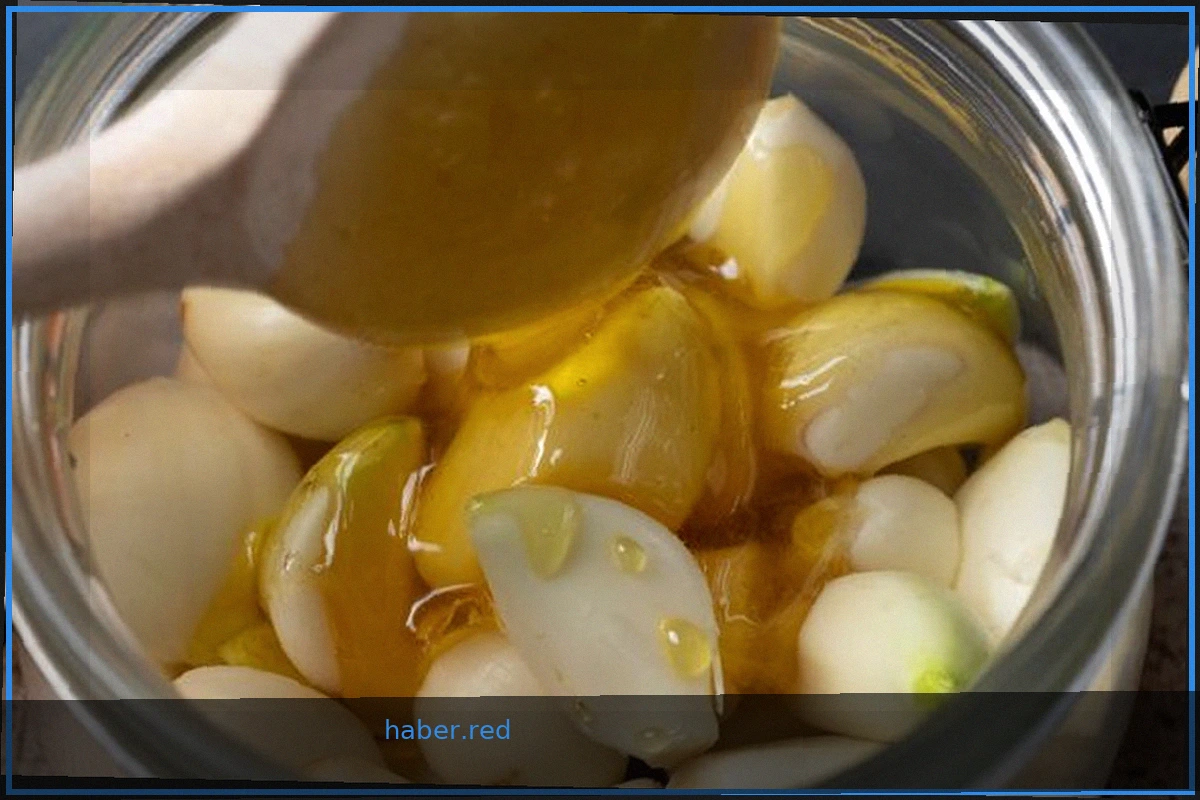
TikTok promotes home remedy that risks botulism
A homemade concoction of garlic fermented in honey, trending on TikTok for its supposed immune-boosting properties, carries a serious risk of causing botulism, according to health experts. Influencers on the platform are promoting this mixture in numerous videos, claiming it