Trump's Proposed Executive Order on NIH Funding: A Threat to Scientific Independence and Innovation
A reported plan by President Donald Trump to establish a committee that would oversee, and potentially veto, scientific grants from the nation's leading health agency could diminish U.S. scientific and innovation leadership, according to advocates and researchers.
This proposed executive order, as reported by The New York Times and Politico, has not yet been released.
“Scientific grants should be judged by scientific expertise, not political ideology,” states Jennifer Jones, director of the Center for Science and Democracy at the Union of Concerned Scientists. She believes the outlined plans would “upend the way we do science in this country” if enacted.
This action would alter how federal funds are distributed for scientific research. A similar regulatory change had been previously proposed by the Office of Management and Budget (OMB), drawing significant criticism from scientists and national science organizations. Congress temporarily halted these regulations earlier this month.
Under the anticipated executive order, a designated committee would approve grants issued by the U.S. National Institutes of Health (NIH), which manages a budget exceeding $40 billion. The NIH finances research into areas such as cancer, Alzheimer's disease, and heart disease—critical biomedical research that impacts everyone's lives, Jones notes.
The committee would reportedly include OMB director Russell Vought, a proponent of Project 2025, and NIH head Jay Bhattacharya. Discussions within the Trump administration regarding such a panel were first reported by The Washington Post.
Historically, the NIH has adhered to a rigorous, independent peer review process for federal grants, a practice described as a "gold standard" by Arthur Caplan, an emeritus professor at NYU Grossman School of Medicine and former NIH advisory committee member. This process involves researchers submitting detailed proposals that undergo multiple stages of screening and review by independent experts.
“I think it’s a very, very dangerous and bad idea to layer in an ideologically driven, new oversight board to the process,” Caplan states. “I don’t think peer review at the NIH is broken. So what are we fixing, unless it’s imposing a political agenda?”
Colette Delawalla, founder and CEO of Stand Up for Science, a scientific advocacy nonprofit, suggests the reported plans from the Trump administration aim to exert political influence over American scientists.
“It’s extremely obvious that Russell Vought is not going to stop trying to dismantle the American scientific ecosystem and the American higher education system,” Delawalla comments. “Is the NIH going to continue to be the gold standard of scientific review if a nonscientist whose singular task is to destroy science is the one that all grants have to pass through? I don’t think so.”
During Trump's second term, there were consistent attempts to reduce federal research funding, particularly in areas examining health disparities based on race, LGBTQ+ issues, and climate change. The administration also targeted universities and similar institutions, including a largely unsuccessful effort to freeze federal funding for Harvard University over alleged inaction on antisemitism on campus.
When contacted for comment, an NIH spokesperson informed Scientific American that “NIH remains committed to its mission of funding biomedical research to benefit the health of the American people.”
The OMB did not immediately provide a response to a request for comment.
What a Trump order to put political appointees in charge of NIH funding would mean for science
President Donald Trump’s reported plans to establish a committee to oversee—and possibly veto—scientific grants issued by the nation’s top health agency via an executive order would undermine U.S. science and innovation leadership, advocates and scientists say.
The planned executive order was reported by the New York Times and Politico and has yet to be released.
“Scientific grants should be judged by scientific expertise, not political ideology,” says Jennifer Jones, director of the Center for Science and Democracy at the Union of Concerned Scientists. If finalized, she says, the reported plans would “upend the way we do science in this country.”
The move would overhaul how federal money is allocated to science—a similar rule change was already proposed by the Office of Management and Budget (OMB), which garnered significant criticism from scientists and national science organizations. Earlier this month Congress temporarily blocked the regulations from going into effect.
Under the reported executive order, an appointed committee would sign off on grants issued by the U.S. National Institutes of Health, which has a budget of more than $40 billion. The NIH funds research on cancer, Alzheimer’s disease, heart disease, and more—“the kind of biomedical research that touches everybody’s lives,” Jones says.
The committee would reportedly include OMB director and Project 2025 proponent Russell Vought and NIH head Jay Bhattacharya. The Washington Post first reported on discussions among Trump officials about such a panel.
Historically, the NIH has followed a “gold standard” practice of independent peer review for federal grants, says Arthur Caplan, an emeritus professor at the New York University Grossman School of Medicine, who previously served on NIH advisory committees. The process requires researchers to submit a lengthy proposal and go through multiple rounds of screening and review by independent experts.
“I think it’s a very, very dangerous and bad idea to layer in an ideologically driven, new oversight board to the process,” Caplan says. “I don’t think peer review at the NIH is broken. So what are we fixing, unless it’s imposing a political agenda?”
Colette Delawalla, founder and CEO of Stand Up for Science, a scientific advocacy nonprofit, says the Trump administration’s reported plans appear to be designed to exert political control over American scientists.
“It’s extremely obvious that Russell Vought is not going to stop trying to dismantle the American scientific ecosystem and the American higher education system,” Delawalla says. “Is the NIH going to continue to be the gold standard of scientific review if a nonscientist whose singular task is to destroy science is the one that all grants have to pass through? I don’t think so.”
Trump’s second term has been marked by repeated efforts to cut federal funding for research, particularly in fields examining racial disparities in health, LGBTQ+ issues and climate change. At the same time, the administration has targeted universities and other institutions in moves that have included a largely unsuccessful attempt to freeze federal funding for Harvard University over alleged failures to address antisemitism on campus.
When asked for comment, an NIH spokesperson told Scientific American that “NIH remains committed to its mission of funding biomedical research to benefit the health of the American people.”
The OMB did not immediately respond to a request for comment.
Fresh materials — Science News

Missing Pages of Henry VIII Manuscript Rediscovered
Six pages, missing for centuries from a 600-year-old religious manuscript, have resurfaced. This book once belonged to an attendant of King Henry VIII and offers insights into the religious changes and shifting loyalties of the Tudor court. The book, Mirror of the Blessed Life of Jesus Chri

Japan Achieves Centenarian Milestone: Over 100,000 Citizens Reach 100+
The number of people living to 100 or older in Japan has surpassed 100,000. This new record indicates a continued increase in global lifespans. Japan's high life expectancy is attributed to several factors: low obesity rates, healthy eating habits, widespread medical check-ups, and accessible he
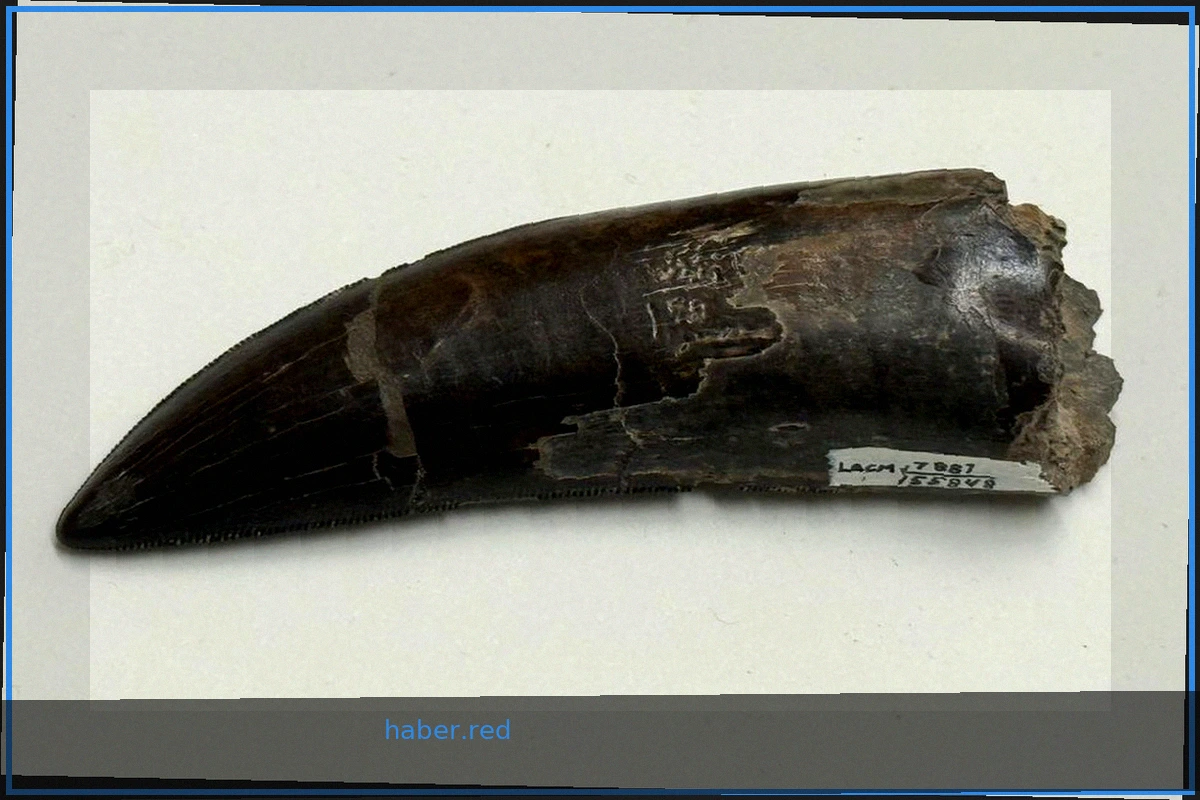
T. rex Had a Body Temperature Similar to Humans, New Research Suggests
Paleontologists have long suspected Tyrannosaurus rex differed from modern reptiles, possibly being warm-blooded. Lacking direct methods like treadmills or thermometers for fossilized creatures, scientists analyze indirect evidence, such as the chemical makeup of fossilized teeth, to infer din
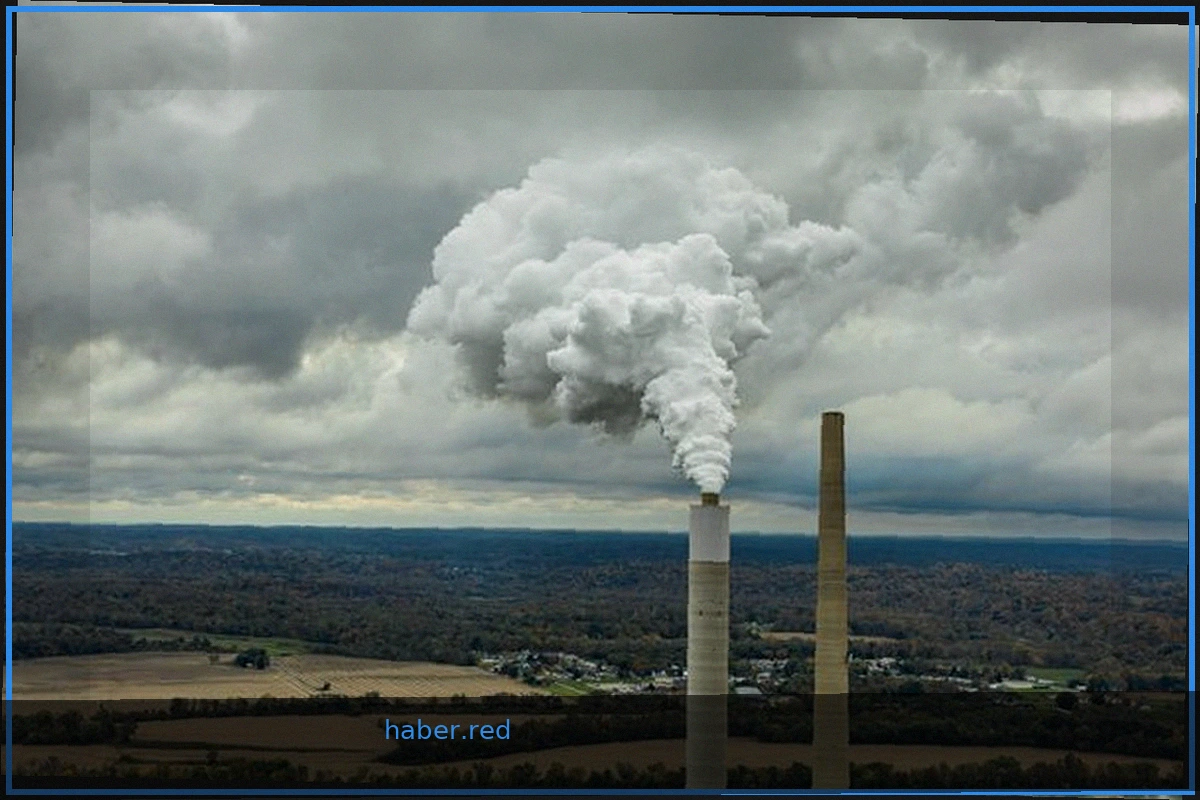
Trump Administration Rescinds Greenhouse Gas Emission Limits for Power Plants
The Trump administration's Environmental Protection Agency (EPA) has removed all regulations that capped greenhouse gas emissions from coal and natural gas power plants. Climate scientists and activists state this action will negatively impact public health and accelerate climate chan

El Niño Fuels Indonesian Wildfires, Causing Widespread Illness
The prevailing El Niño conditions are significantly contributing to the intensity of wildfires across Indonesia, resulting in approximately 100,000 people falling ill or sustaining injuries, according to the nation's health authorities. Current predictions suggest this year's El Niño could be

Climate Change Reshaping Malaria Hotspots in Africa
The warming climate is causing significant shifts in the areas most affected by malaria across Africa. As temperatures rise and rainfall patterns change, traditional malaria zones are evolving, and new regions are becoming vulnerable to the disease. These alterations pose new difficulties for p